Our coloring kitchen has been incredibly busy! We are thrilled to announce the release of Taste of the World: Traditional Foods Vol. 2, bringing a brand-new menu of global delicacies to your child's coloring collection. From savory street food to delightful baked goods, these new illustrations offer a fantastic opportunity to discuss world cultures while practicing advanced coloring techniques.
This update introduces a wide array of international favorites, including hearty Mexican elote, sweet Spanish flan, and comforting American cherry pie. But beyond just filling in the lines, food illustrations are the perfect canvas for teaching kids about texture.
Here are our top coloring tips for making these new culinary pages look good enough to eat!
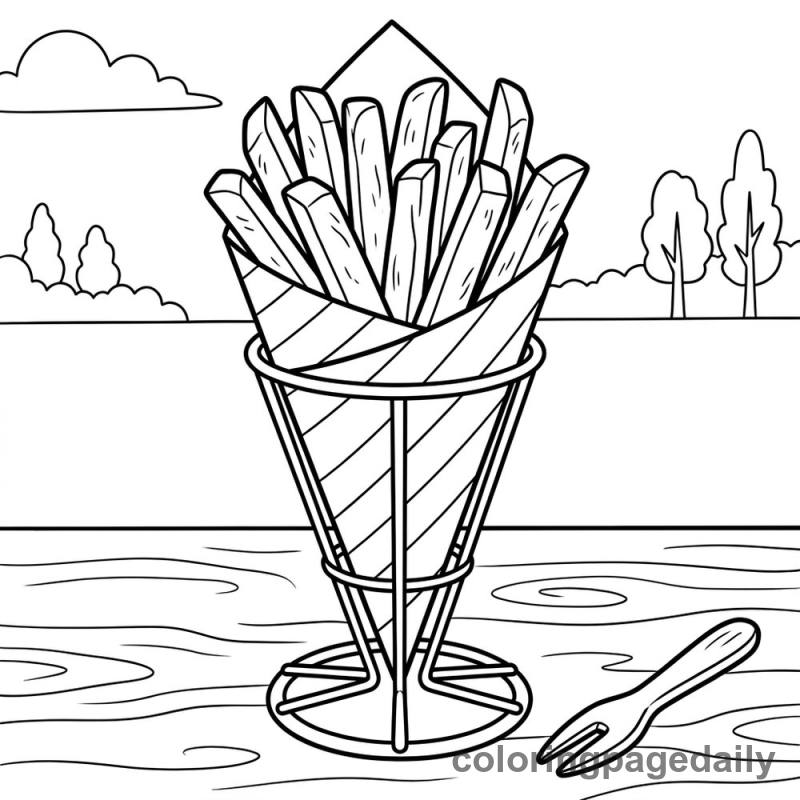
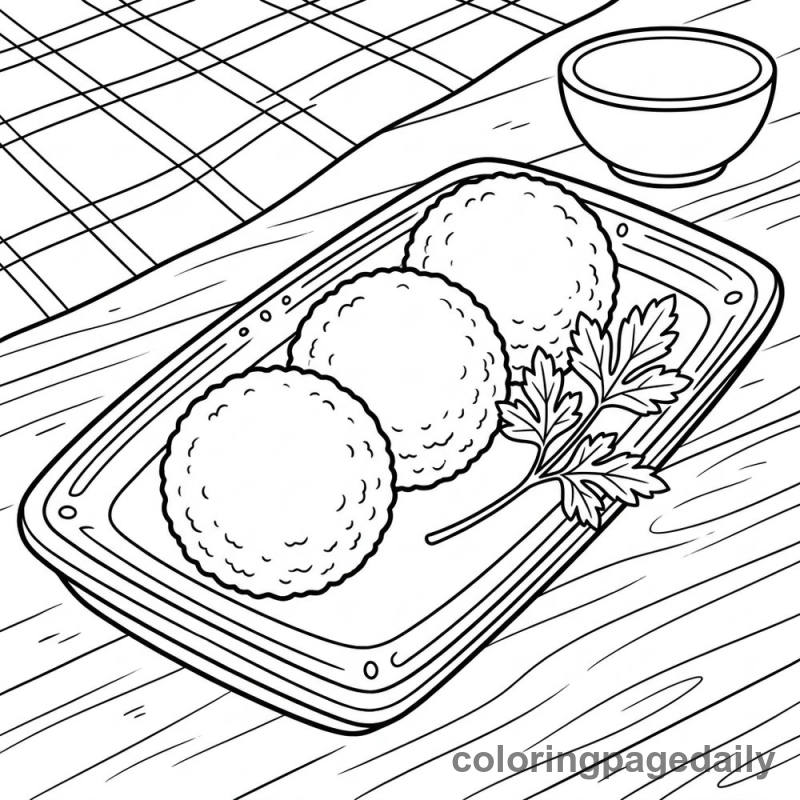
Fried foods like our Belgian Frites and Italian Arancini have a distinct, rough texture. To replicate this crispy coating, teach your young artists the "stippling" technique. By tapping their colored pencils or markers to make tiny dots—using a mix of light browns, golds, and oranges—they can create a realistic, crunchy-looking surface.
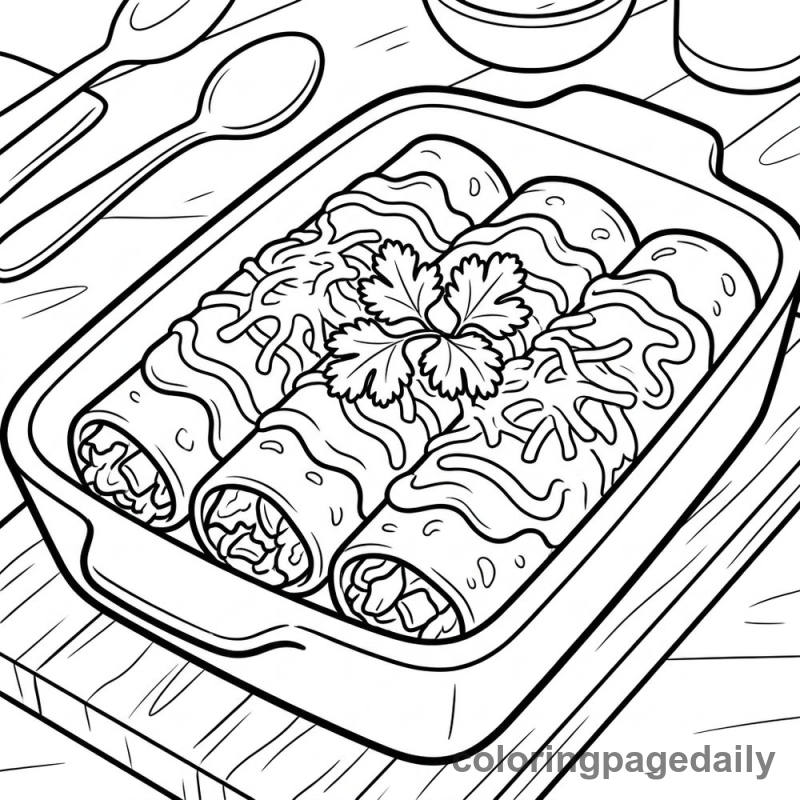
When coloring the rich sauce and melted cheese on our Traditional Mexican Enchiladas, the goal is smoothness. Encourage kids to use fluid, continuous strokes rather than jagged, back-and-forth lines. A great trick for making sauces look wet and shiny is to leave a few tiny, uncolored white spots (highlights) where the "light" hits the food. Blending yellows and oranges will also make the cheese look perfectly gooey!
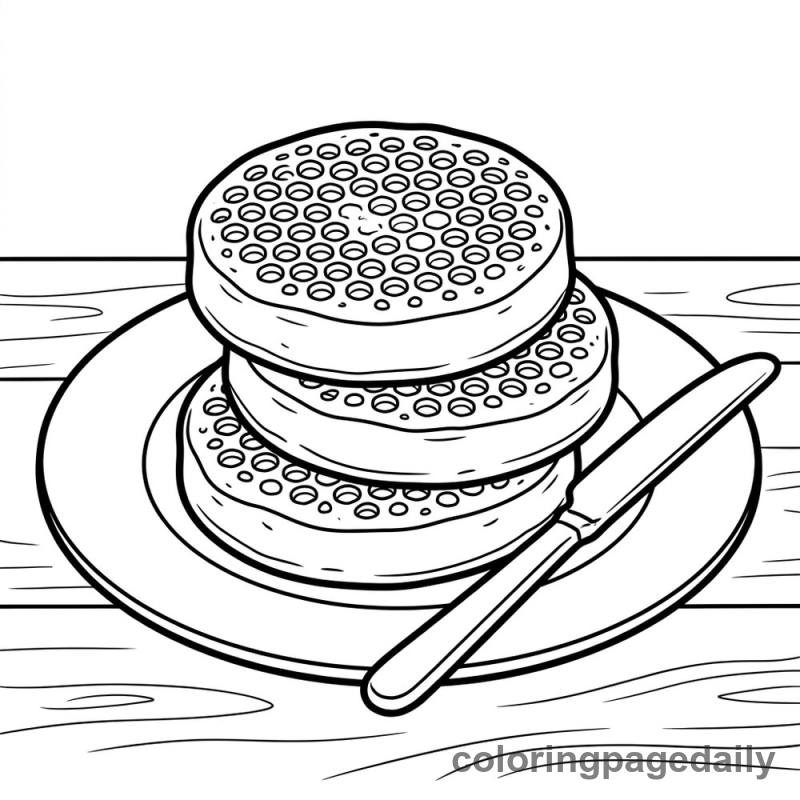
English crumpets are famous for their spongy, porous honeycomb texture, which makes them excellent for holding butter—and for practicing shading! Have your children color the flat surface of the crumpet with a light tan or yellow. Then, tell them to press a little harder with a darker brown pencil inside the circular dimples. This simple shading technique creates depth, making the holes look like real, three-dimensional pockets.
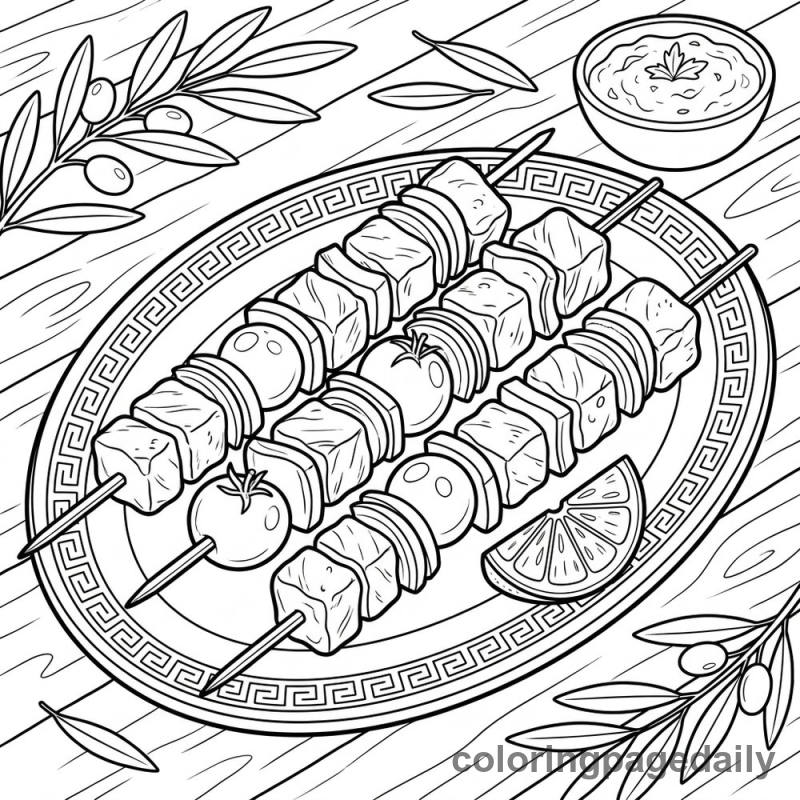
For the Greek Souvlaki Skewers, it's all about the grill marks. Once the base colors of the meat and roasted vegetables are laid down, kids can use a dark brown or black colored pencil to draw short, bold diagonal lines across the food. This adds a fantastic charred effect that brings the illustration to life.
Head over to the collection today to print out these delicious new additions. Grab your most colorful crayons, markers, and colored pencils, and let’s get cooking!
This article is part of Taste of the World: Traditional Foods Vol. 2 — browse all 21 coloring pages