Food is one of the most exciting ways to learn about history, geography, and culture. While your students and children are busy bringing our Taste of the World Vol. 2 coloring pages to life, you can share the fascinating stories behind the dishes they are decorating. Here are some bite-sized educational facts about traditional foods from across the globe!
Did you know that French fries likely aren't French at all? Historical evidence suggests that the practice of deep-frying sliced potatoes actually originated in Belgium in the late 1600s.
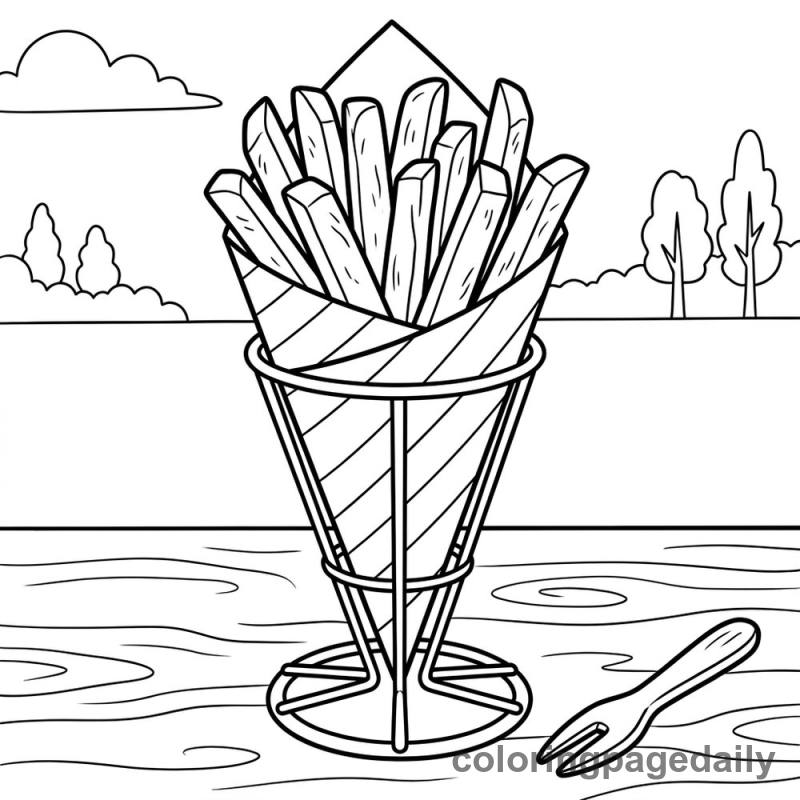
During winter, when rivers froze and villagers couldn't catch small fish to fry, they cut potatoes into fish-like shapes and fried those instead. Today, traditional Belgian frites are often served in paper cones and enjoyed with mayonnaise rather than ketchup.
If you think fast food is a modern invention, think again! The concept of cooking meat on a stick dates back thousands of years.
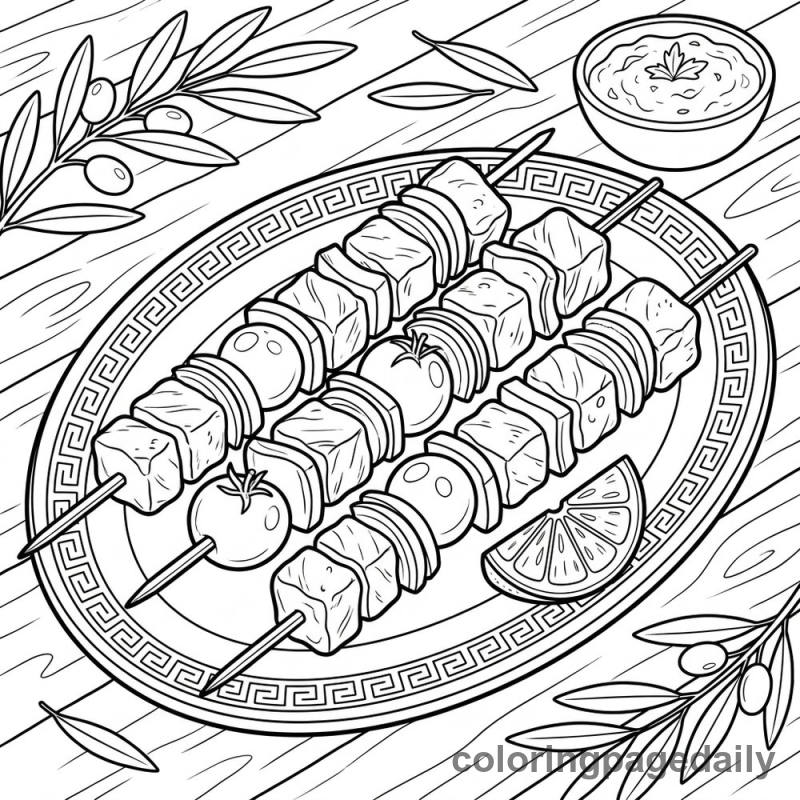
The word souvlaki comes from the ancient Greek word souvla, meaning "skewer." Archaeological excavations in Greece have uncovered stone sets of barbecue skewers that were used before the 17th century BC! It was a popular, quick meal for ancient travelers and remains a beloved street food in Greece today.
While coloring the Korean kimbap page, children might mistake it for Japanese sushi. It’s a great opportunity to teach them the difference!
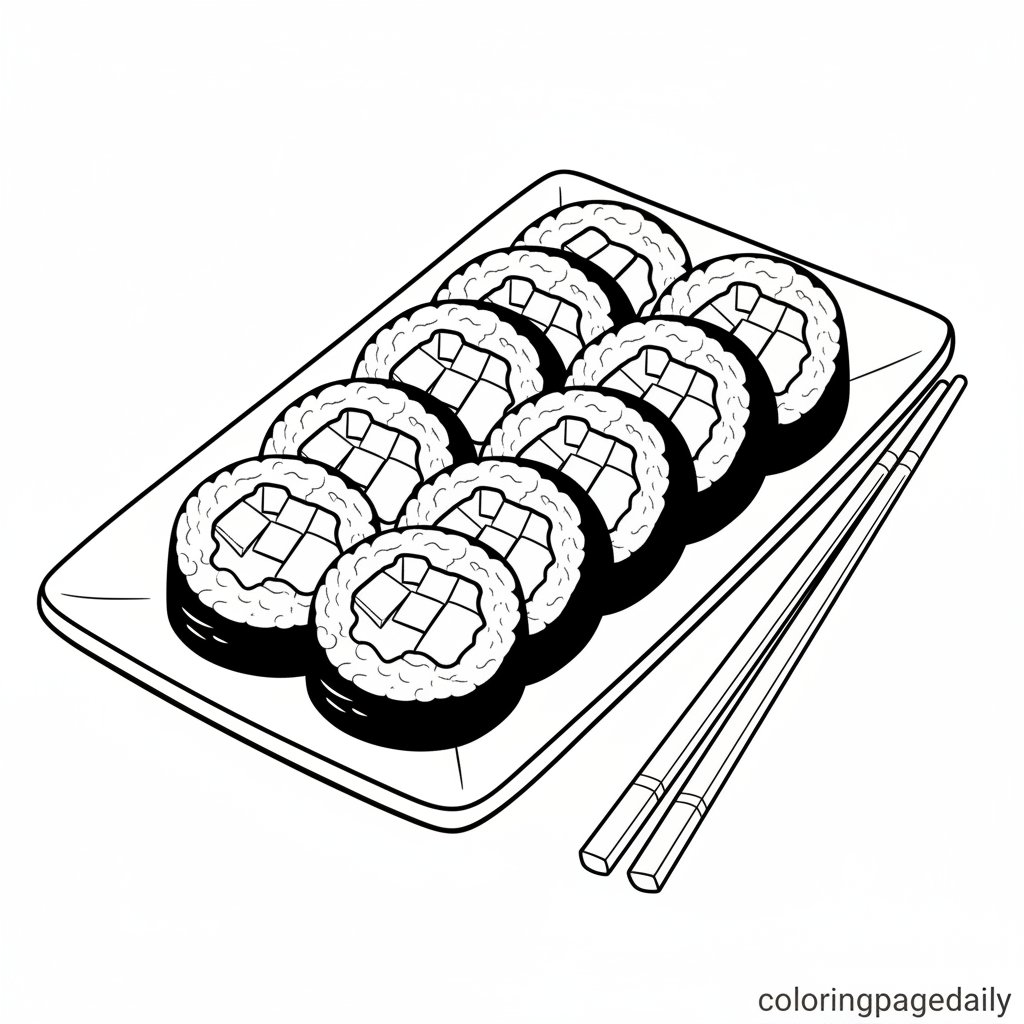
Kimbap literally translates to "seaweed" (kim) and "cooked rice" (bap). The biggest difference between kimbap and sushi is the rice. Sushi rice is seasoned with vinegar, while kimbap rice is traditionally seasoned with sesame oil, giving it a distinct, savory flavor. It's a staple for Korean school lunches and picnics.
English crumpets are famous for their spongy texture and the hundreds of tiny holes on their surface. But how do those holes get there?
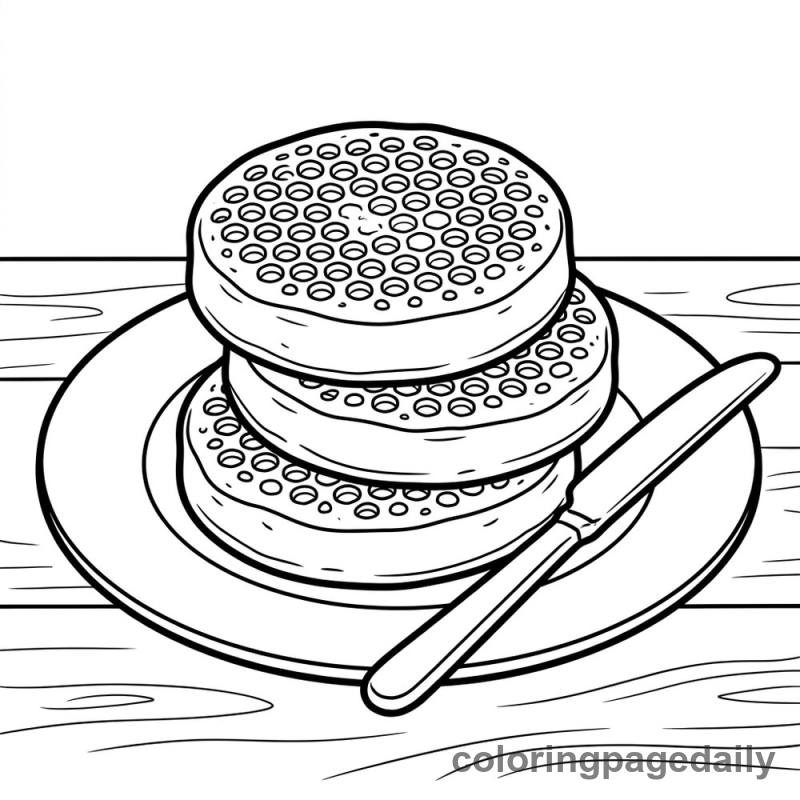
It’s all about chemistry! The batter for crumpets includes both yeast and baking powder. As the crumpet cooks on a griddle, the expanding gases push up through the batter, popping at the surface to create a honeycomb-like structure. These little craters are absolutely perfect for soaking up melted butter or jam.
Often described as a Turkish bagel, the simit is a circular bread encrusted with sesame seeds.
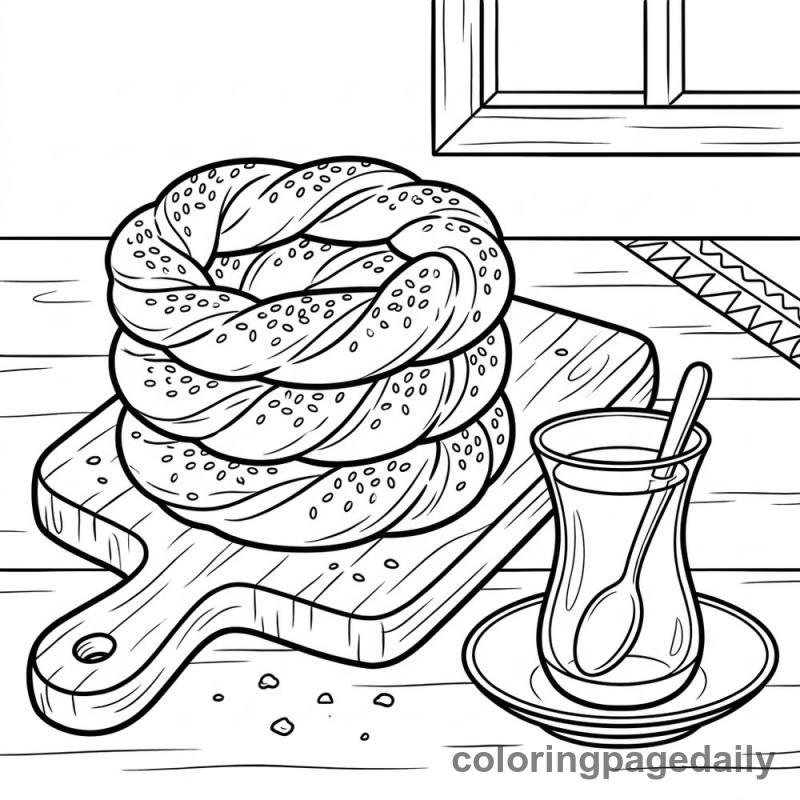
Simit has been baked in Istanbul since the 1500s. What makes it historically interesting is how it is sold. Traditionally, street vendors known as simitçi walk the streets carrying large, towering stacks of simit carefully balanced on their heads!
Finally, let's travel to Mexico. The word enchilada is a past participle of the Spanish word enchilar, which literally means "to add chili pepper to."
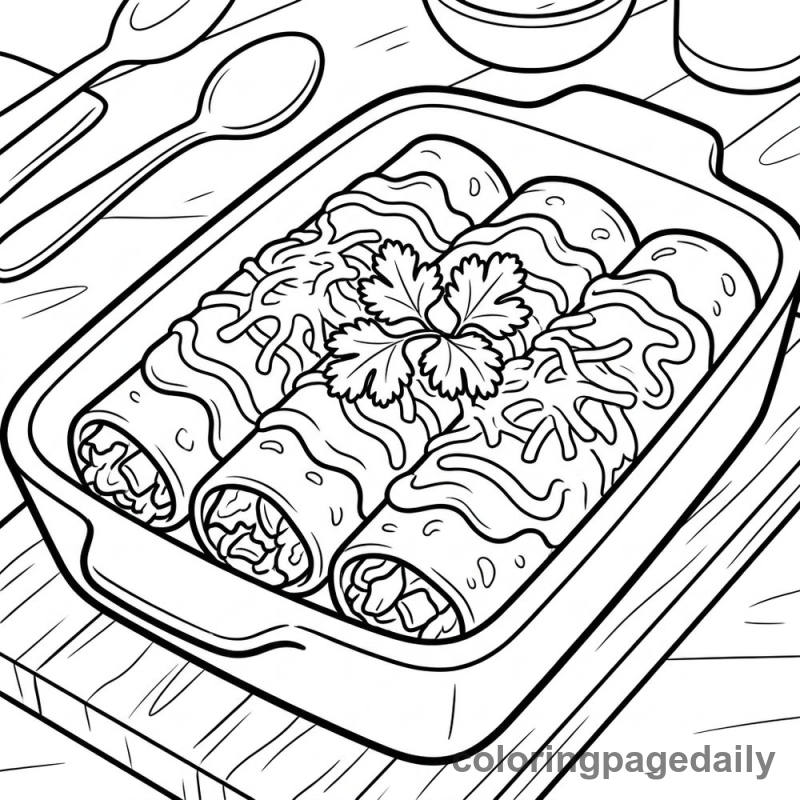
The practice of rolling tortillas around other foods dates all the way back to Mayan times. When Spanish conquistadors arrived in the Western Hemisphere, they documented the indigenous people eating corn tortillas wrapped around small fish and topped with spicy sauces.
Sharing these fun historical nuggets while children color not only builds their fine motor skills but also broadens their cultural horizons. Happy coloring, and bon appétit!
This article is part of Taste of the World: Traditional Foods Vol. 2 — browse all 21 coloring pages