Food is a universal language, and what better way to teach children about world cultures than through the dishes people love to eat? As your little artists dive into our Taste of the World: Traditional Foods Vol. 2 coloring pages, you can enrich their experience by sharing the fascinating history and science behind these beloved global meals.
Here are some bite-sized educational facts about the foods featured in our latest collection:
Did you know that French fries might not be French at all? Many historians believe they originated in Belgium!
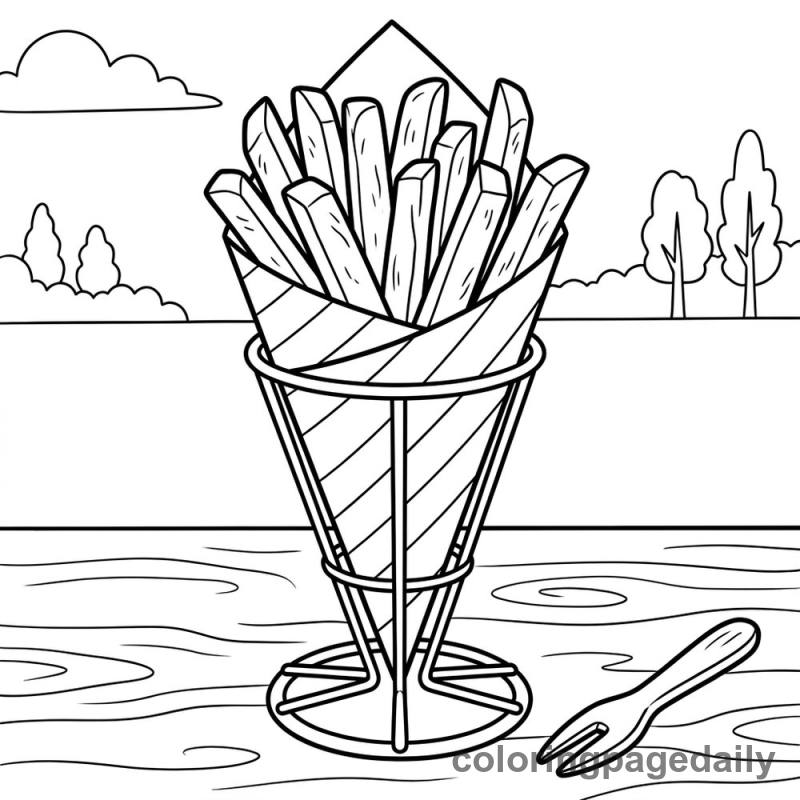
Traditional Belgian frites are unique because of their cooking process. They are double-fried—first at a lower temperature to cook the inside, and then at a higher temperature to create a perfectly crispy golden exterior. In Belgium, they are commonly served in a traditional paper cone (called a cornet) and eaten with a tiny wooden fork.
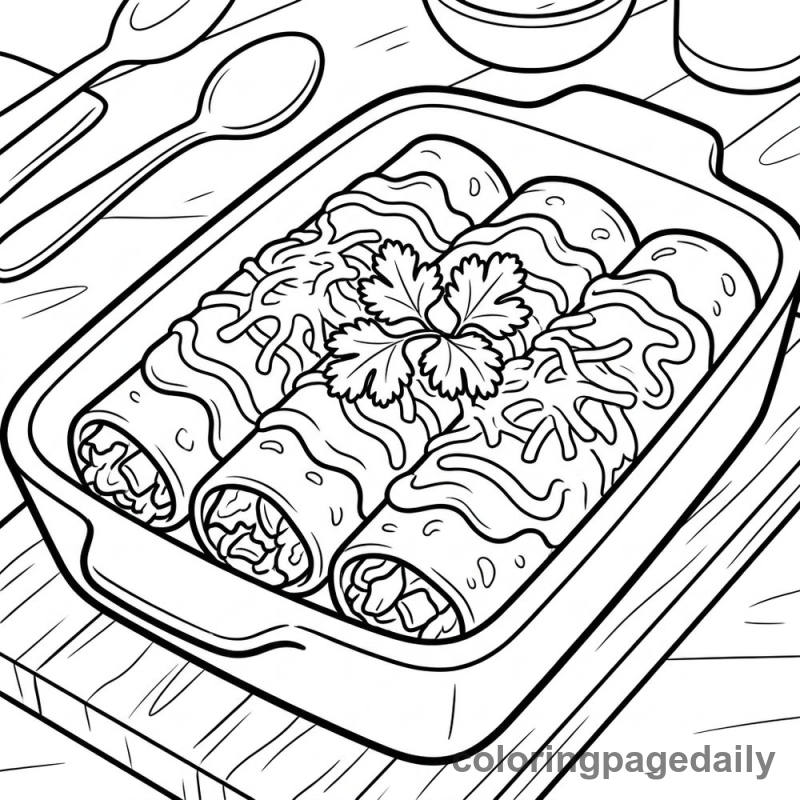
The practice of rolling tortillas around other foods dates back to ancient Mesoamerican times. The Mayans and Aztecs used flat cornbread to wrap small fish and meat. The word "enchilada" comes from the Spanish word enchilar, which literally translates to "to add chili pepper to." When kids color this page, you can explain how this centuries-old tradition evolved into the cheesy, saucy dish we enjoy today!
At first glance, Korean kimbap might look similar to Japanese sushi rolls, but they are distinctly different dishes.
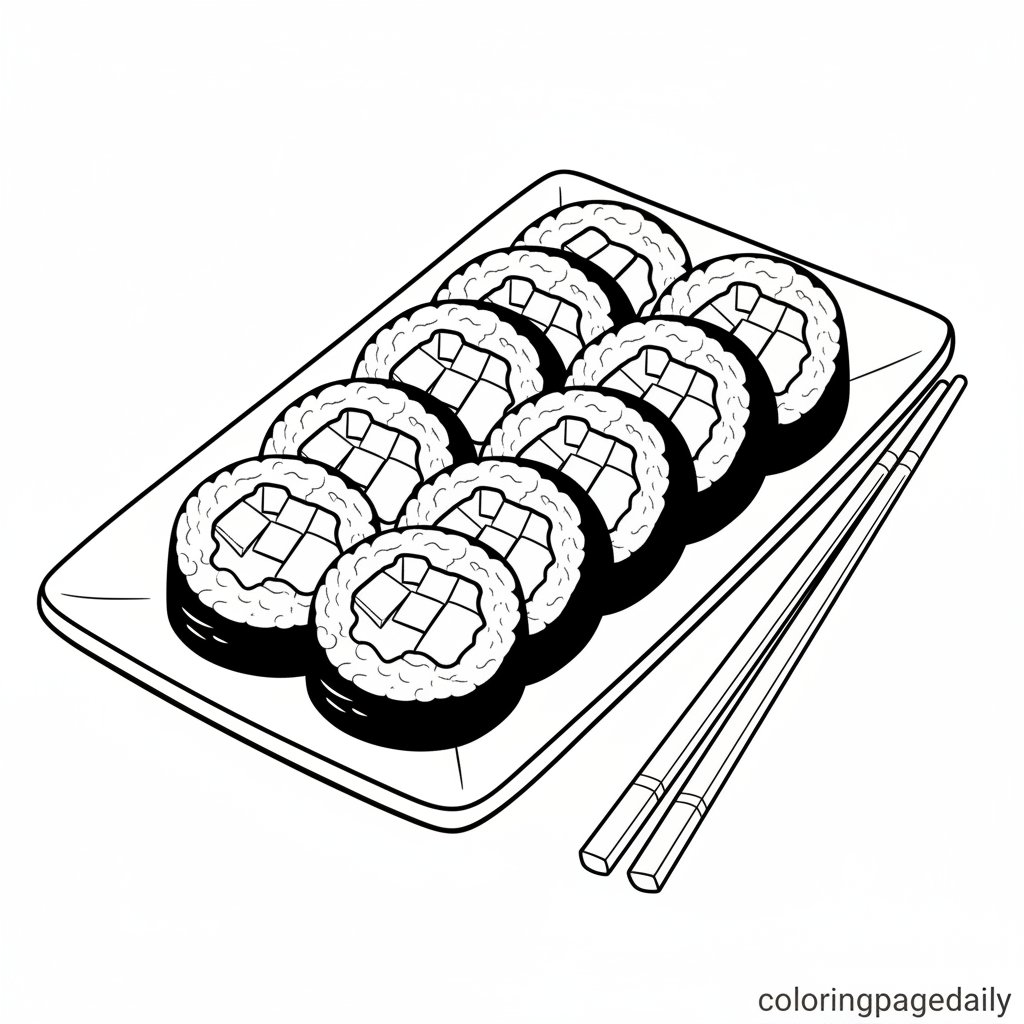
The main difference lies in the rice. While Japanese sushi rice is seasoned with vinegar, kimbap rice is traditionally flavored with toasted sesame oil and a pinch of salt. Furthermore, kimbap typically features cooked or pickled ingredients—like eggs, spinach, carrots, and pickled radishes—making it a popular, easy-to-carry food for Korean picnics and outdoor school events.
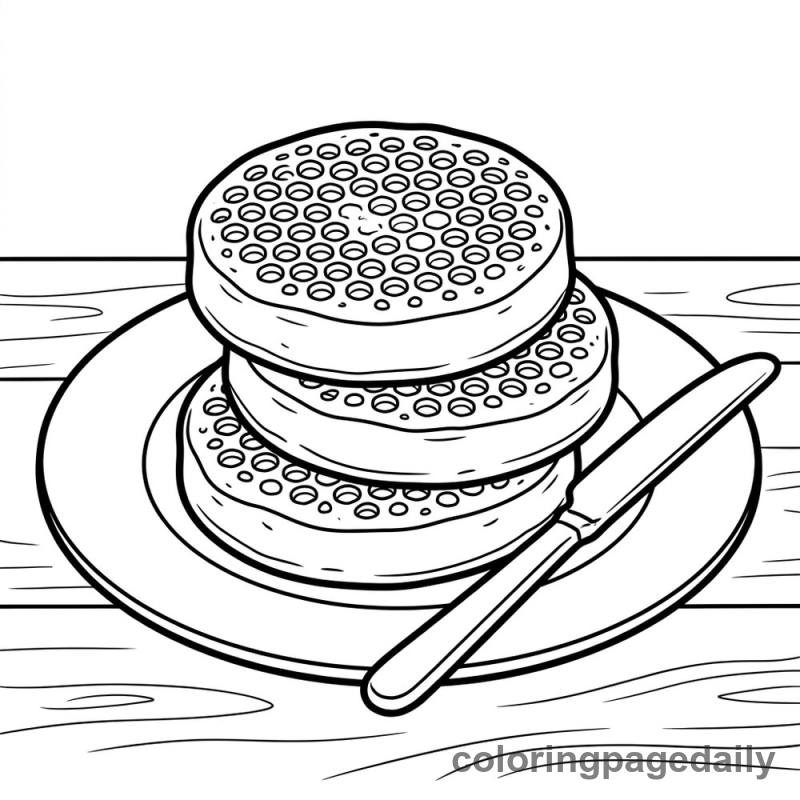
If your child has chosen to color the English crumpets, they might notice the hundreds of tiny holes on top. These holes aren't just for decoration; they are the result of culinary science! The batter uses both yeast and baking powder. As the crumpet cooks on a hot griddle, the expanding gases push up through the batter, popping at the surface to create a sponge-like honeycomb texture. This makes them the perfect vessel for soaking up melted butter and jam!
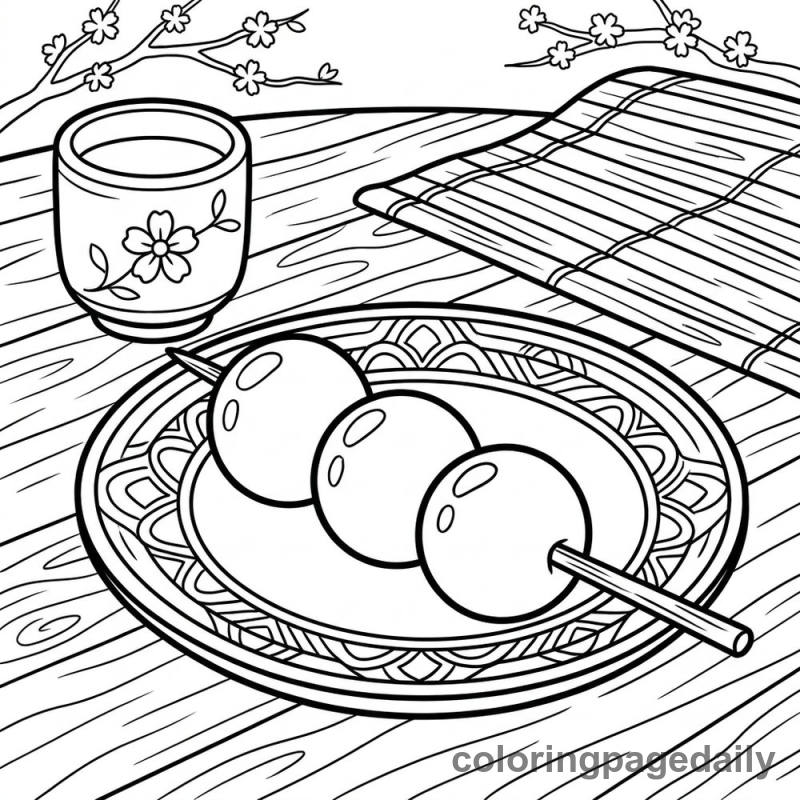
Dango is a sweet, chewy Japanese dumpling traditionally made from mochiko (rice flour). They are usually served on a bamboo skewer in groups of three to five. There's even a famous Japanese proverb: "Hana yori dango," which translates to "dumplings over flowers." It means that practical things (like delicious food!) are often preferred over merely beautiful things (like looking at cherry blossoms).
Next time your students or children sit down with their crayons, share these fun facts with them. Combining art with cultural history is a wonderful way to spark their curiosity about the wide world around them!
This article is part of Taste of the World: Traditional Foods Vol. 2 — browse all 21 coloring pages