Our coloring menu just got a major expansion! We are thrilled to announce the latest delicious additions to our Taste of the World: Traditional Foods Vol. 2 collection. From savory street food staples to decadent, sweet desserts, these freshly updated pages offer a wonderful opportunity for children and students to explore global cultures while practicing their artistic skills.
To help your little artists make these dishes look good enough to eat, we’ve put together a specialized guide focusing on shading, layering, and blending techniques specifically for food illustration. Grab those colored pencils and crayons—it’s time to cook up some art!
One of the trickiest parts of coloring food is capturing that perfect, crispy, golden-brown look. We’ve added a fantastic new illustration of a classic Belgian street food treat to help kids practice this exact skill.
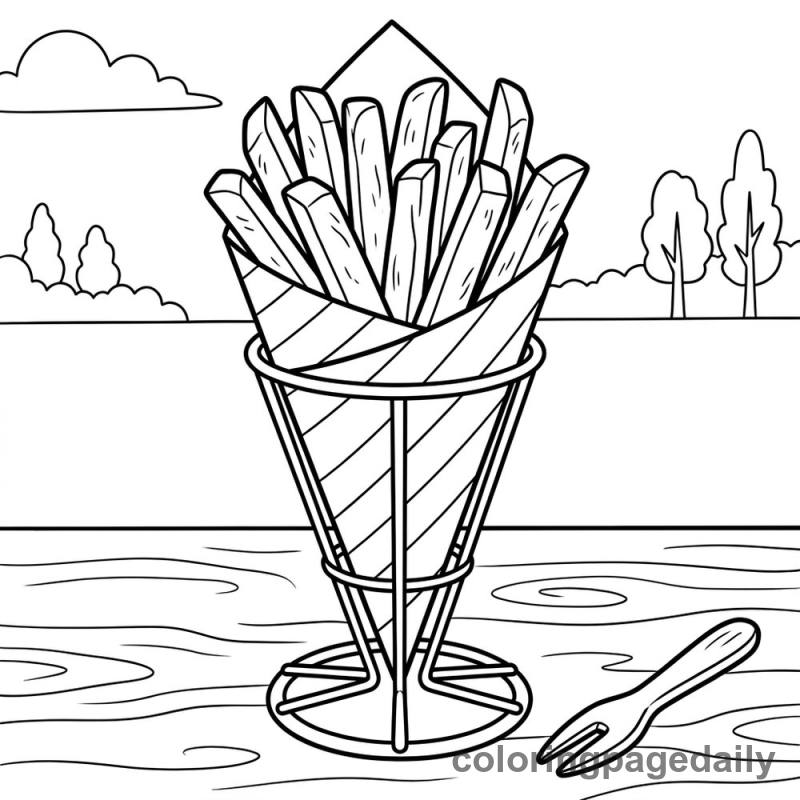
Coloring Tip: When coloring the Belgian Frites, tell your students to avoid using a single, flat yellow. Instead, have them start with a pale yellow base, then lightly shade the edges with a golden orange or light brown. This layering technique gives the thick-cut potatoes a realistic, crispy appearance. They can even add a cool, contrasting touch of pale blue or grey to the paper cone to make the warm hues of the fries pop!
Traditional Mexican cuisine is famous for its rich, vibrant flavors and beautifully draped sauces. Our new enchilada page is the perfect canvas for practicing color blending.
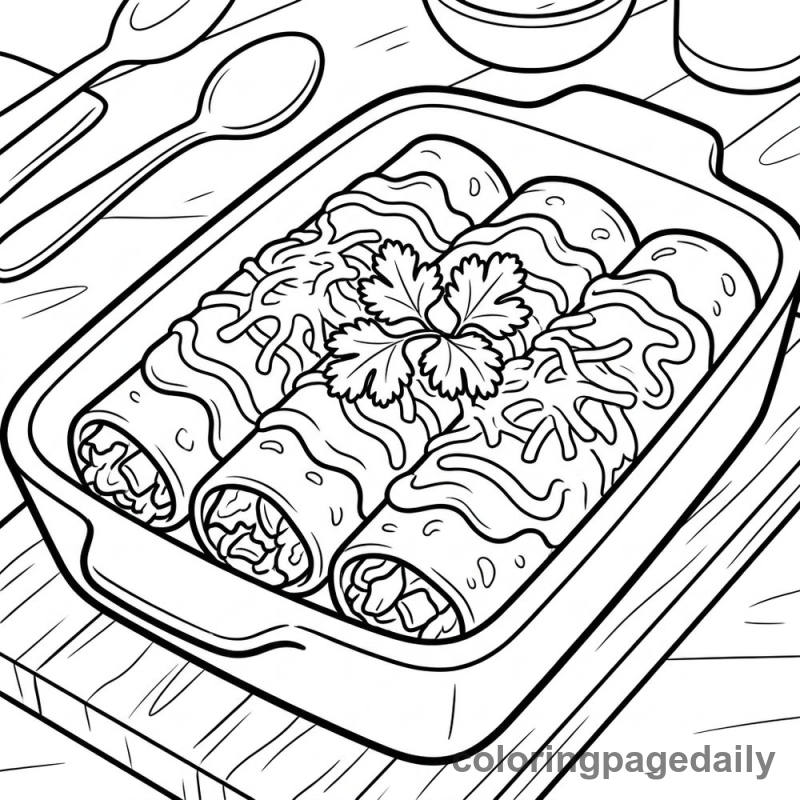
Coloring Tip: For the Mexican Enchiladas, encourage kids to heavily blend reds, deep oranges, and yellows to replicate a smooth, savory sauce and warm melted cheese. Using a white crayon firmly over the blended colored pencils can help smooth out the pigments and create a glossy, "melted" effect. Don't forget to use a rich, earthy color for the ceramic baking dish to frame the bright meal beautifully.
Food isn't just about color; it's about texture! English crumpets are beloved for their unique, spongy surface that perfectly catches melted butter.
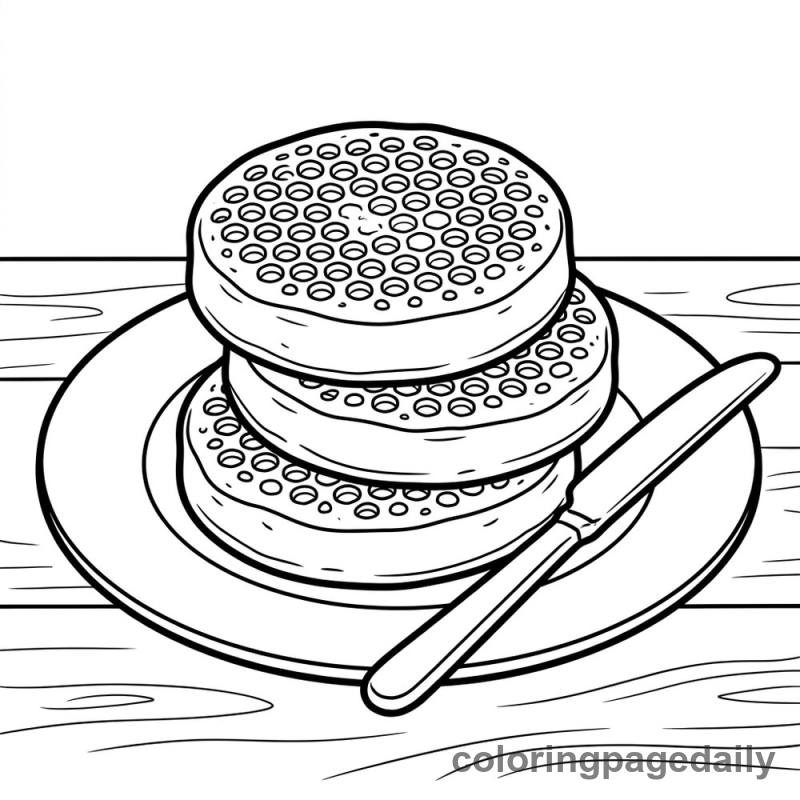
Coloring Tip: The English Crumpets page features intricate honeycomb textures. To make these structural details stand out, kids can color the main surface of the crumpet with a soft cream or beige, and then use a slightly darker tan or medium brown specifically inside the little holes. This simple shading trick creates instant depth and makes the baked goods look incredibly realistic.
No meal is complete without dessert! Spanish flan is famous for its smooth, creamy custard base and the beautiful, rich caramel sauce that cascades down its sides.
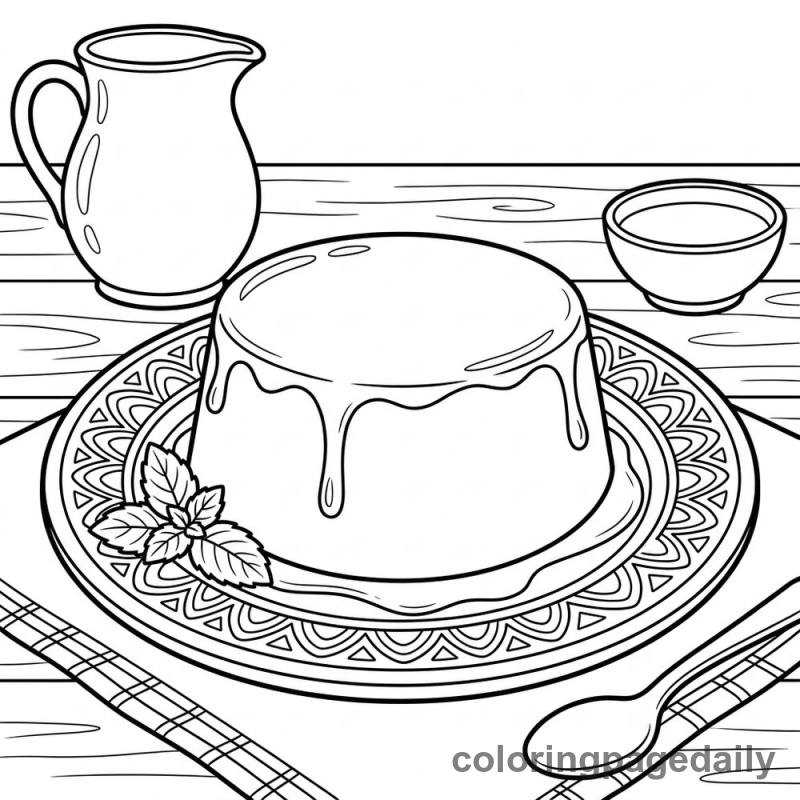
Coloring Tip: To make the Spanish Flan look glossy, try a gradient effect. Start with a very dark brown at the top edge where the caramel is thickest, slowly transitioning to a lighter amber, and finally yellow for the custard base. Leaving a tiny sliver of the caramel completely uncolored (white) can simulate a reflection of light, making the sweet sauce look shiny and wet.
These new additions to the Taste of the World collection are ready to be printed and colored today. Whether used in a classroom geography lesson or a weekend art session at the kitchen table, these pages are sure to inspire both creativity and a big appetite!
This article is part of Taste of the World: Traditional Foods Vol. 2 — browse all 21 coloring pages