Art and science are a perfect match! When children sit down to color, they aren't just developing their fine motor skills and exploring their creativity—they are also in a prime mindset to absorb fascinating information about the world around them.
Our STEM & Science Discoveries Vol. 2 collection features adorable robot helpers engaging with real-world scientific tools. To help you spark meaningful conversations during coloring time, we’ve put together a list of incredible educational facts you can share with your young learners as they bring these pages to life.
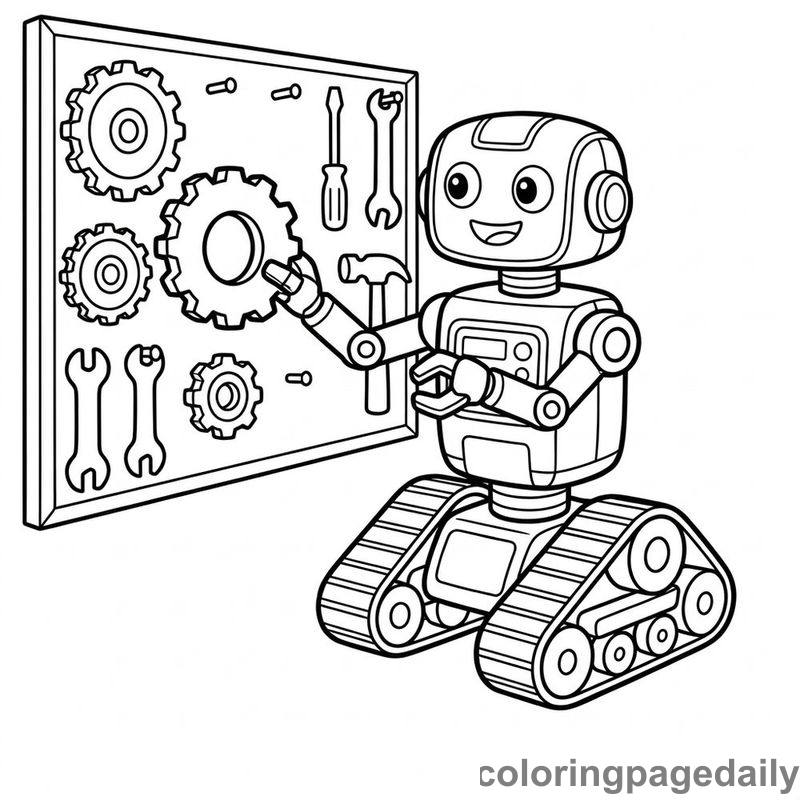
Gears are the unsung heroes of the mechanical world. These wheels with interlocking teeth are designed to transfer energy and motion from one part of a machine to another. As your child colors the gear board, you can share a mind-blowing historical fact: the earliest known complex gear system is the Antikythera mechanism. Discovered in a shipwreck, this ancient Greek device dates back over 2,000 years and was used to predict astronomical positions!
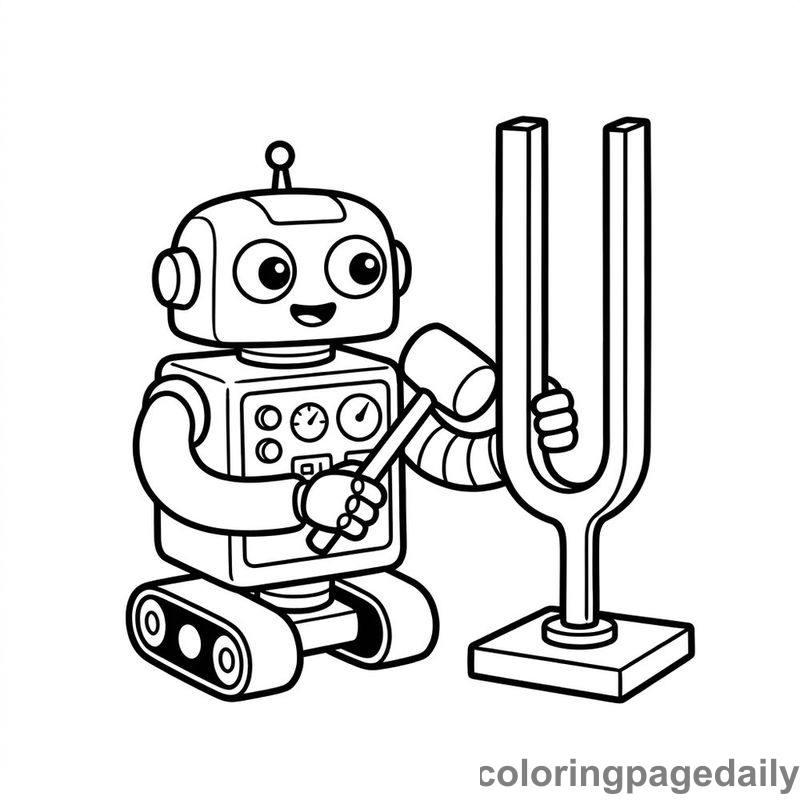
How do we hear music and voices? It all comes down to invisible waves! When a tuning fork is struck against a surface, its two metal prongs begin to vibrate rapidly back and forth. These vibrations push the surrounding air molecules, creating sound waves that travel to our ears. Because of its specific shape and weight, a tuning fork will always vibrate at the exact same pitch, making it the perfect tool for musicians to tune their instruments.

In biology labs around the world, scientists use shallow, transparent containers called Petri dishes. Named after the German microbiologist Julius Richard Petri, who invented them in 1887, these dishes allow scientists to grow and study tiny organisms like bacteria, fungi, or plant cells. The transparent lid keeps out unwanted dust and germs while letting researchers safely observe the miniature ecosystems growing inside.
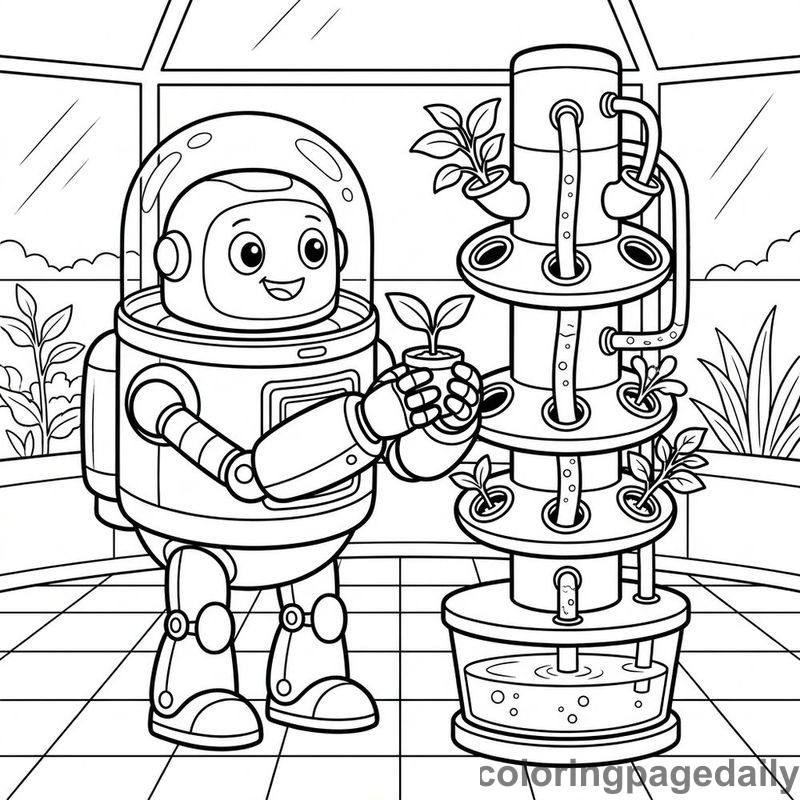
Did you know that plants don't actually need soil to grow? Hydroponics is a cutting-edge agricultural method where plant roots are bathed directly in a nutrient-rich water solution. This futuristic farming technique can use up to 90% less water than traditional soil farming. It's so efficient that NASA is actively studying hydroponic systems to grow fresh vegetables for astronauts living on the International Space Station!
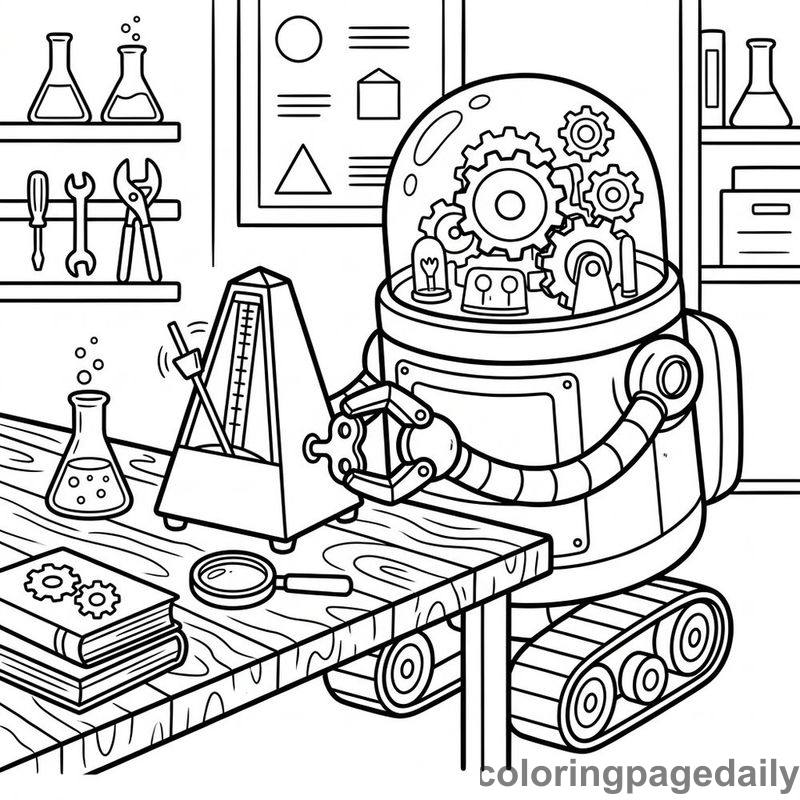
A mechanical metronome is a fantastic way to introduce kids to the laws of physics. Musicians use metronomes to keep a steady beat, which is powered by a swinging pendulum. Thanks to gravity and physics, the speed of the swing depends entirely on where the weight is placed on the pendulum rod. Sliding the weight up makes the pendulum swing slower, while sliding it down makes it tick faster.
We hope these fun facts help turn your next coloring session into a wonderful journey of scientific discovery!
This article is part of STEM & Science Discoveries Vol. 2 — browse all 14 coloring pages