As educators and parents, we know that the best learning happens when children are engaged and having fun. Our STEM & Science Discoveries Vol. 2 collection brings complex scientific concepts to life through the adventures of adorable robotic helpers. While your little ones are busy choosing the perfect colors for these pages, you can share these fascinating scientific facts to turn art time into an interactive science lesson!
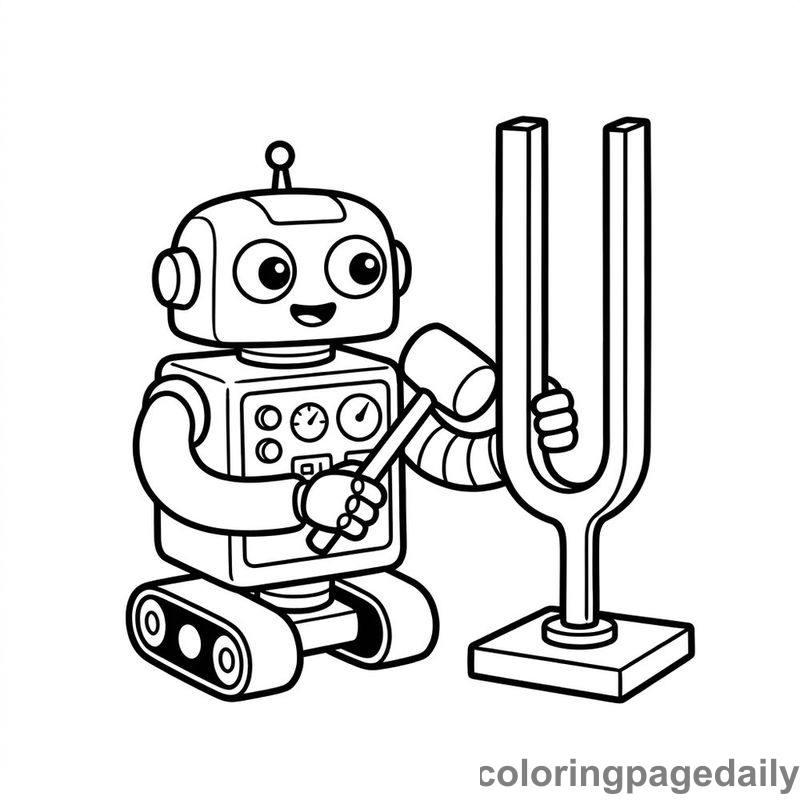
When a tuning fork is struck, its two prongs (called tines) vibrate rapidly back and forth. This vibration bumps into surrounding air molecules, creating a chain reaction called a sound wave. The tuning fork was invented in 1711 by a British musician named John Shore. Because a tuning fork always produces a perfectly constant pitch based on its length and mass, it is still used today by musicians to tune instruments and by doctors to perform medical hearing tests!
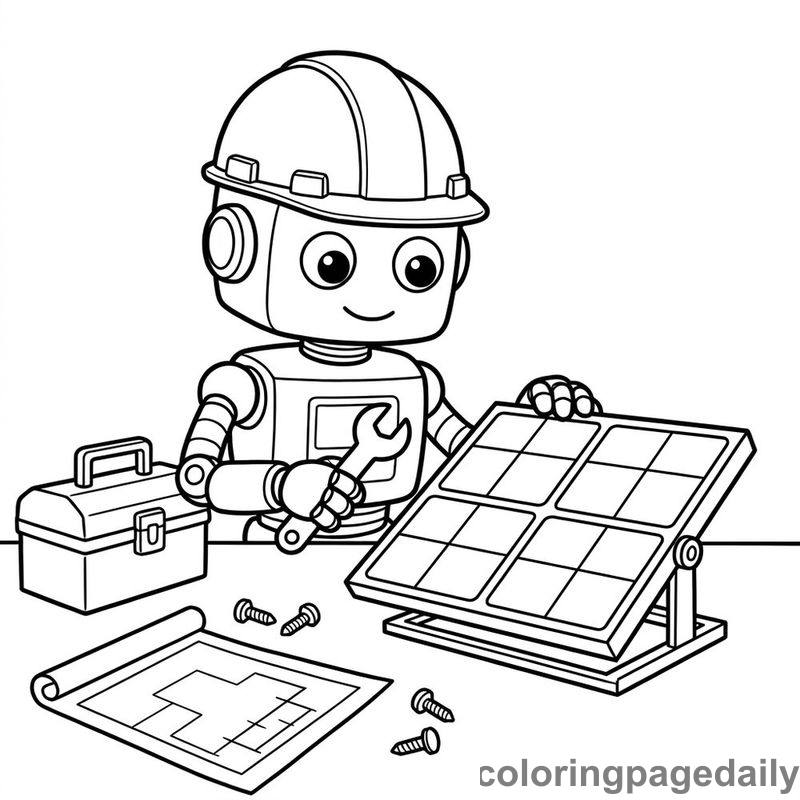
Did you know that enough sunlight hits the Earth in just one hour to power the entire world for a whole year? Solar panels capture this incredible energy using "photovoltaic" cells (the word comes from photo meaning light, and voltaic meaning electricity). When sunlight hits these special cells, it knocks tiny particles called electrons loose, creating an electrical current. The very first practical silicon solar cell was invented at Bell Labs in 1954, paving the way for the renewable energy we use today.
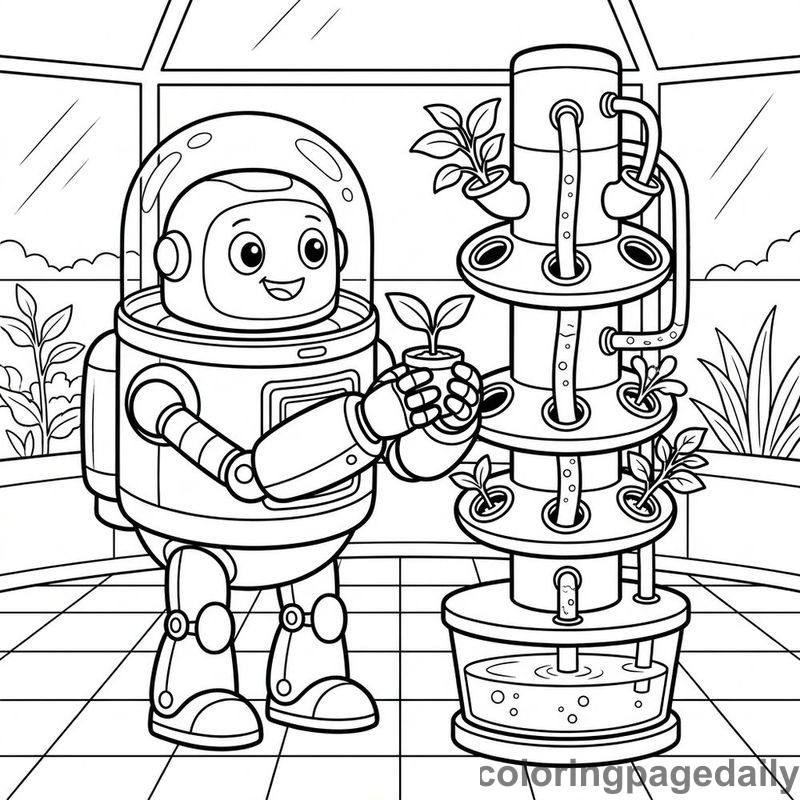
Hydroponics is a brilliant method of growing plants using mineral nutrient solutions dissolved in water, completely skipping the dirt! Because the water is carefully recirculated in a closed system, hydroponic farming can use up to 90% less water than traditional soil farming. It is such an efficient and vital technology that astronauts are currently using hydroponic systems to grow fresh vegetables on the International Space Station.

Before digital clocks and batteries existed, people relied on mechanical watches. These tiny marvels of engineering are powered by a coiled piece of metal called a mainspring. As the spring slowly unwinds, a complex series of interlocking gears transfers the energy to move the watch hands at exactly the right speed.

Similarly, a traditional metronome uses clockwork gears and an inverted pendulum to keep a steady beat for musicians. It relies on a fun physics rule: moving the weight up the pendulum rod makes the tempo slower, while moving it down makes the beat faster!
Using these fun facts as conversation starters can help children see the real-world magic behind the robots they are coloring. Happy learning and happy coloring!
This article is part of STEM & Science Discoveries Vol. 2 — browse all 14 coloring pages