Coloring isn’t just a fantastic way to develop fine motor skills; it’s also the perfect opportunity to sneak in some engaging science lessons! With our Playful Prehistoric Pals Vol. 2 collection, children can explore the ancient world while learning real, verifiable facts about the fascinating creatures that once roamed our planet.
Here are some incredible, bite-sized paleontology facts to share with your little learners while they bring these pages to life.
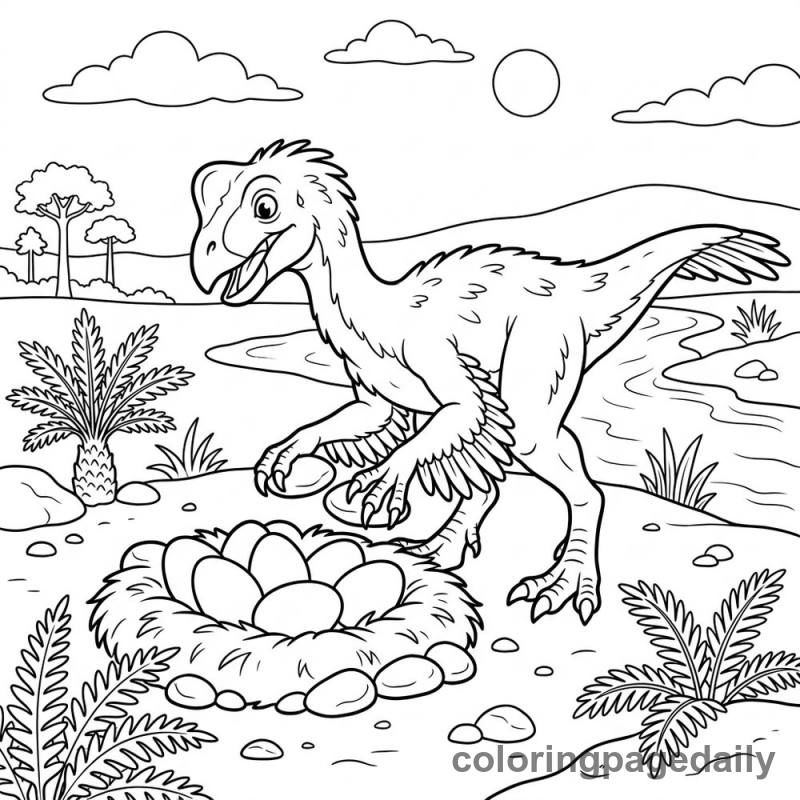
When scientists first discovered the Oviraptor in 1924, they found its fossilized remains lying directly on top of a nest of eggs. Assuming the dinosaur was trying to eat them, they named it Oviraptor, which translates from Latin to "egg thief." However, decades later in the 1990s, paleontologists made a groundbreaking discovery: they found a fossilized embryo inside one of those exact same types of eggs, and it was a baby Oviraptor! Instead of stealing a meal, this dinosaur was actually a devoted parent fiercely protecting and brooding its own nest, much like modern birds do today.
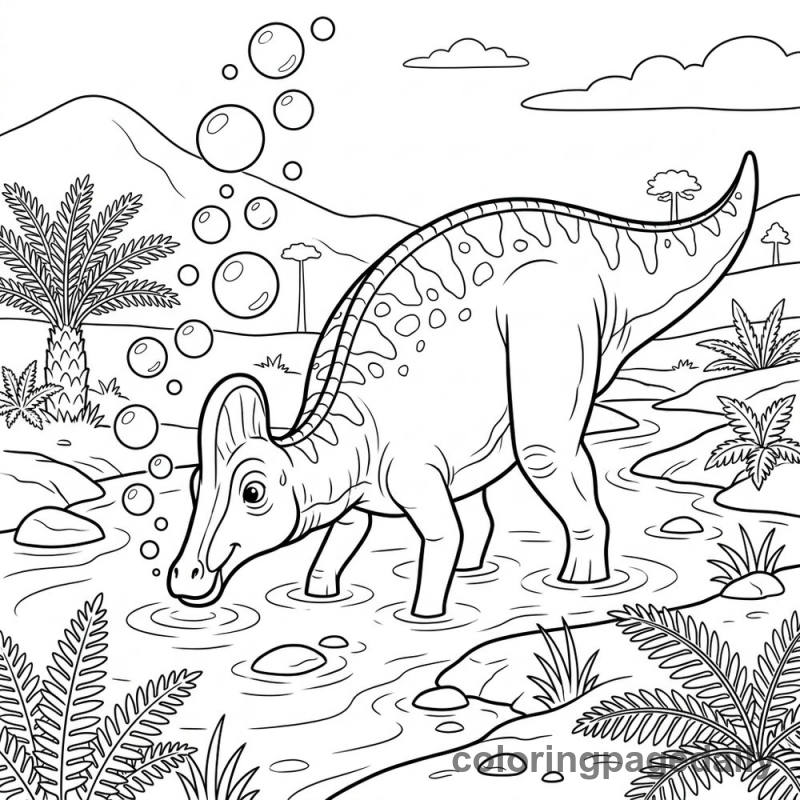
If you look at the Corythosaurus, the first thing you'll notice is the spectacular, helmet-like crest on top of its head. This crest wasn't just for show! It was actually hollow and contained complex, winding nasal passages. Paleontologists believe that when a Corythosaurus breathed out, it could use this crest as a resonating chamber to produce loud, low-frequency sounds—very similar to how a musical trombone works. These booming calls would have allowed them to communicate with their herd over long distances through thick prehistoric forests.
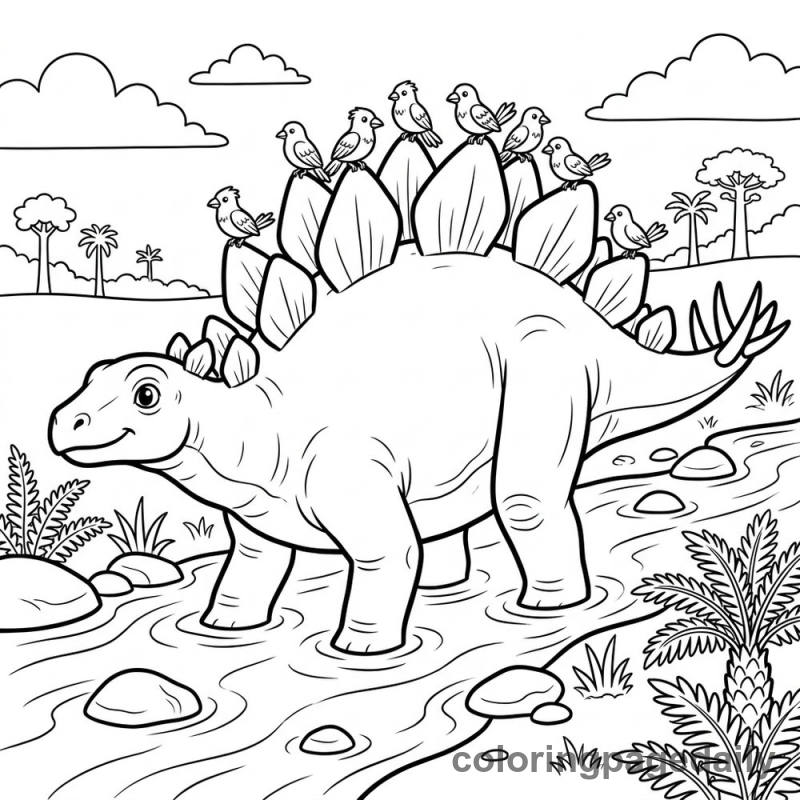
The Stegosaurus is famous for the large, kite-shaped plates running down its back. For a long time, people assumed these plates were primarily for defense against predators. However, modern scientific studies have revealed that the plates were covered in tiny grooves that once housed a rich network of blood vessels. Many paleontologists now believe these plates functioned as a thermoregulation system. By pumping blood through the plates, a Stegosaurus could release excess body heat to cool down on a hot afternoon, or stand sideways in the morning sun to soak up warmth, acting almost like living solar panels!
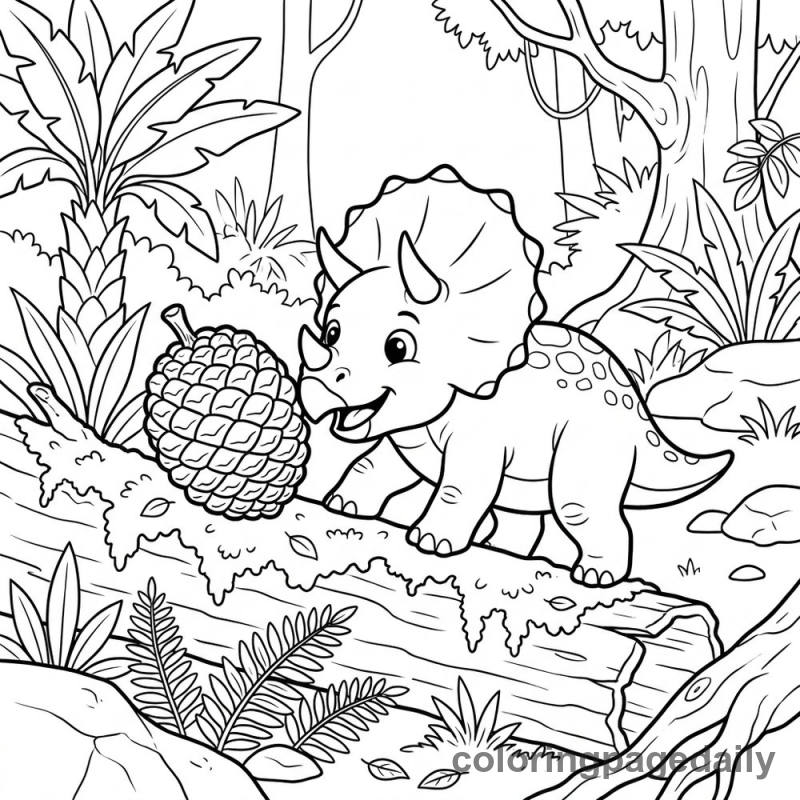
While the Triceratops is best known for its three intimidating facial horns and massive neck frill, it had another fascinating adaptation hidden in its mouth. At the front of its snout, the Triceratops had a sharp, toothless beak made of keratin—the exact same material that makes up human fingernails and bird beaks. This powerful beak was perfectly designed for snipping and shearing tough, fibrous prehistoric vegetation like cycads, ferns, and pinecones. Behind this beak were rows of hundreds of teeth packed closely together, working like self-sharpening scissors to slice the tough plant matter before swallowing.
By pairing these fascinating facts with our charming coloring pages, you can help spark a lifelong love of paleontology and natural history in your students or children. Grab your crayons, and let the prehistoric learning begin!
This article is part of Playful Prehistoric Pals Vol. 2 — browse all 20 coloring pages