Welcome to a new adventure in learning! While kids love coloring dinosaurs just for fun, art time is also a fantastic opportunity to introduce basic paleontology. Our Playful Prehistoric Pals Vol. 2 collection is packed with adorable scenes that double as great teaching moments. Let’s dive into some fascinating, verifiable facts you can share with your little learners while they bring these pages to life!
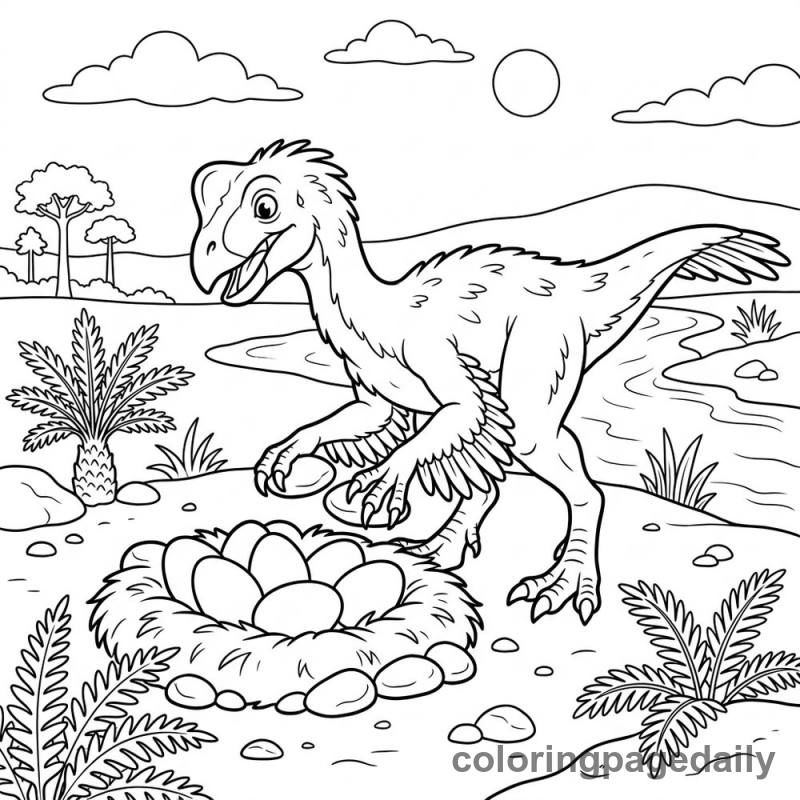
The Oviraptor has one of the most unfair names in dinosaur history. Its name literally translates to "egg thief." When the first fossils were found in the 1920s lying near a nest of eggs, scientists naturally assumed the dinosaur was trying to steal a quick meal. However, decades later, new discoveries proved those eggs actually belonged to the Oviraptor itself! Instead of being a sneaky thief, this dinosaur was a dedicated parent protecting its own nest, much like modern birds do today.
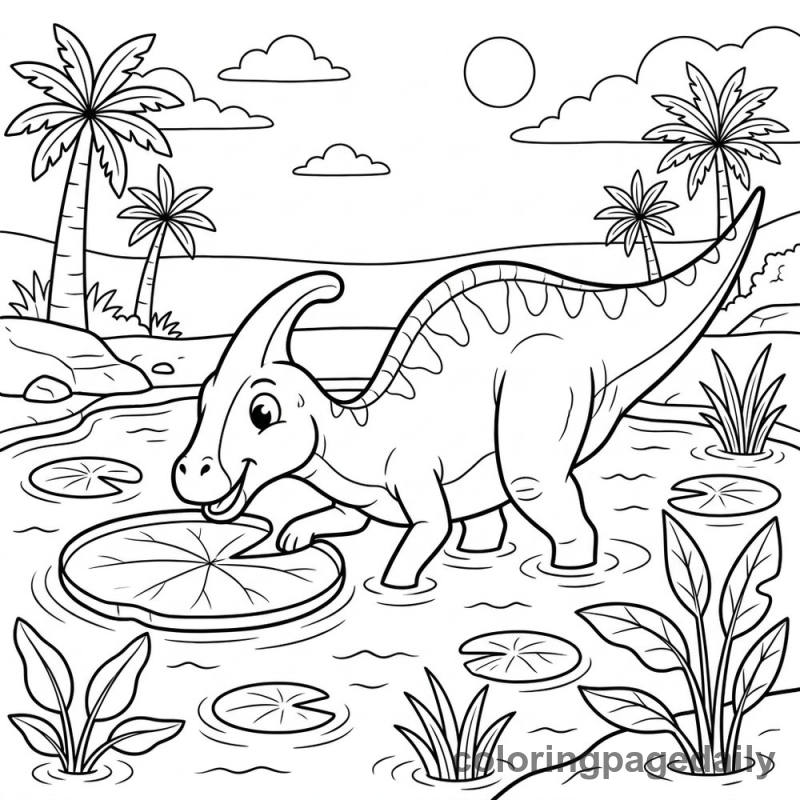
Look at the distinctive, sweeping crest on the back of the Parasaurolophus's head! Paleontologists believe this hollow bony tube wasn't just for show. It likely acted as a resonating chamber, allowing the dinosaur to produce loud, low-frequency sounds. Think of it as a built-in trombone! They could have used these booming sounds to communicate with their herd across vast distances in the dense prehistoric forests.
The Iguanodon is famous for its unique thumb spikes. Interestingly, when early scientists first discovered Iguanodon fossils in the 19th century, they didn't know where this spike belonged. For years, they incorrectly placed it on the dinosaur's snout, like a rhinoceros horn! We now know it was located on their hands. While it could have been used to defend against predators, scientists also believe it was a highly practical tool for foraging, breaking open seeds, and stripping tough plants.
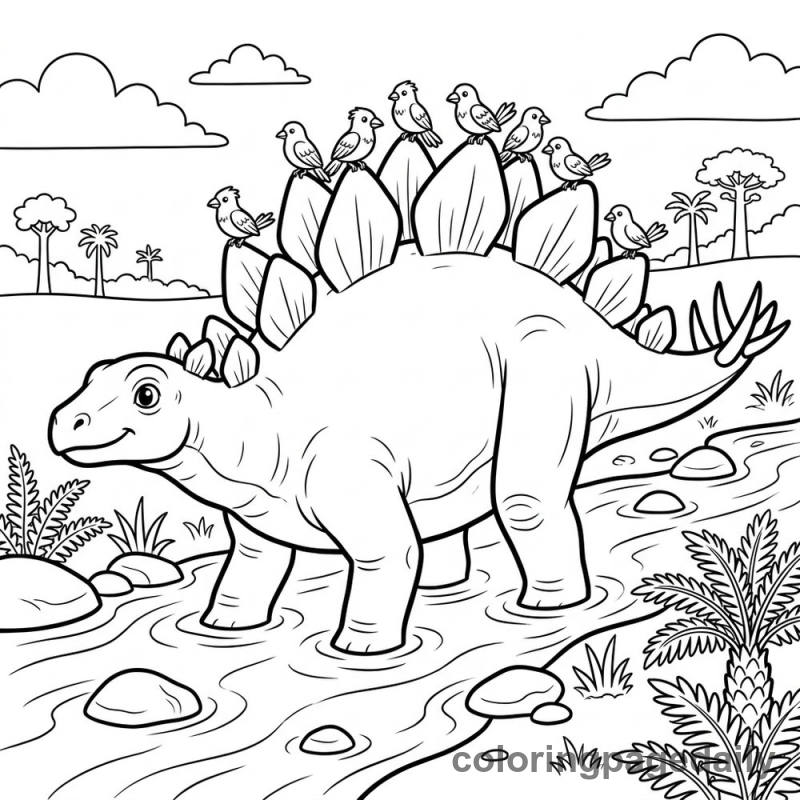
The Stegosaurus is instantly recognizable by the large, kite-shaped plates along its back. While they look like heavy armor, these plates were actually quite fragile and filled with blood vessels. Many scientists believe they were used for thermoregulation—helping the dinosaur warm up in the sun or cool down in the wind—or as a colorful display to recognize other members of their species. Another fun fact to share? Despite being a massive creature that could weigh over 5 tons, a Stegosaurus had a brain roughly the size of a walnut!
Use these fun facts to spark curiosity during your next coloring session. Happy coloring and learning!
This article is part of Playful Prehistoric Pals Vol. 2 — browse all 20 coloring pages