Welcome back, underwater explorers! We’ve just added a brand-new batch of illustrations to our Ocean Wonders & Sunken Treasures collection. This update brings a fantastic mix of mysterious deep-sea creatures and fascinating sunken artifacts straight to your coloring table.
To help your little artists get the most out of these new pages, we've put together some creative coloring tips focusing on texture, lighting, and bringing these marine environments to life. Let's dive into the new arrivals!
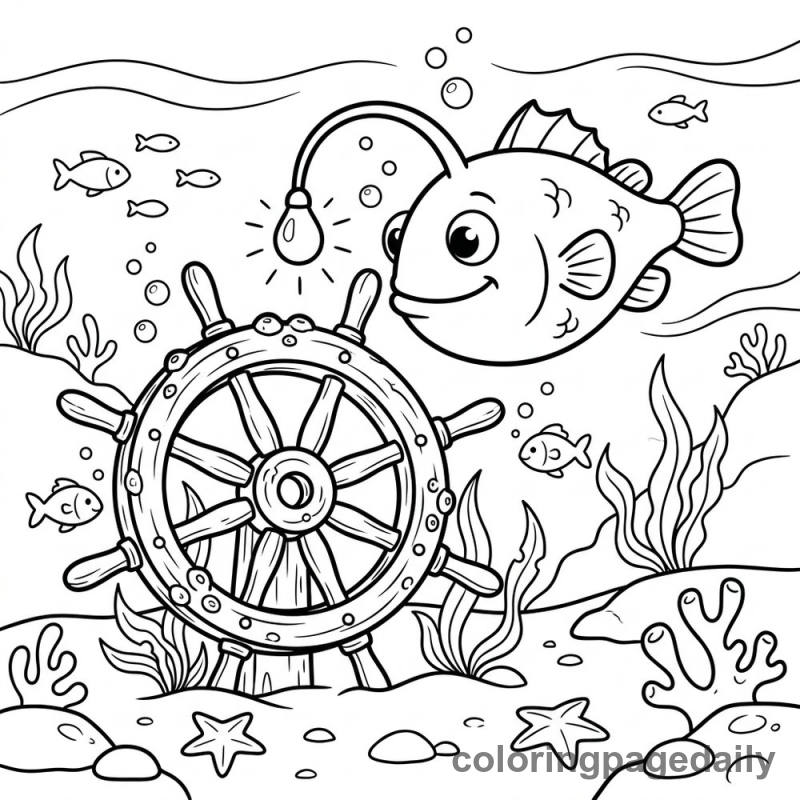
Our new anglerfish page is a wonderful opportunity to teach kids about bioluminescence—the amazing ability of some animals to make their own light! Since these creatures live in the deep, dark ocean, this page is perfect for practicing "glow" effects with your coloring tools.
Coloring Tip: To make the anglerfish's lure look like it's truly glowing, start by coloring the very center of the light source with a bright, solid neon yellow or white. Then, gently blend a halo of light orange or bright green around it. Finally, color the surrounding water in very dark, rich shades like charcoal, indigo, or midnight purple. The dark background will make that bright lure pop right off the page!
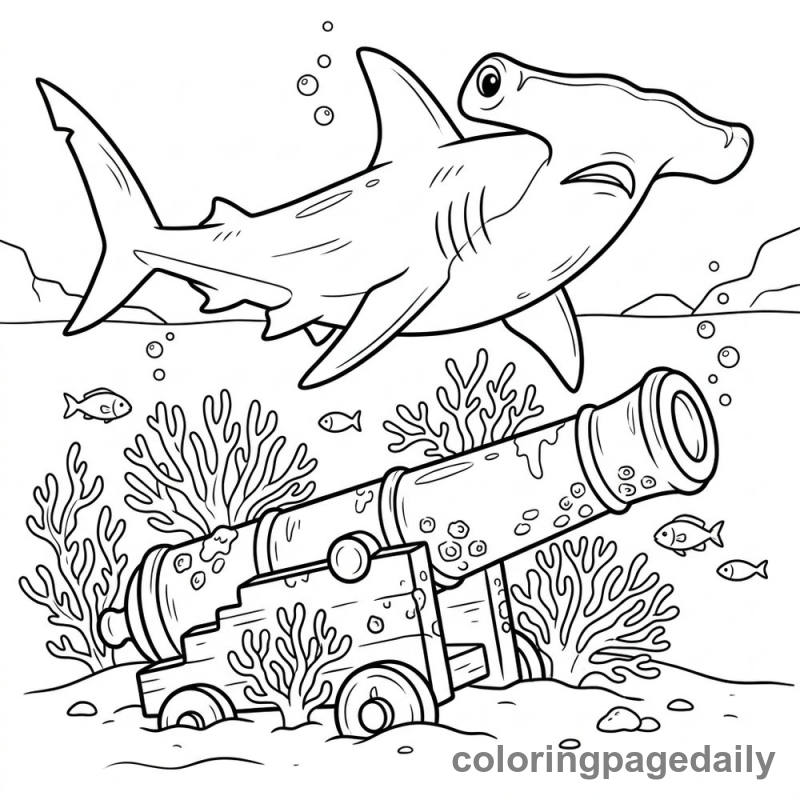
Next up is our magnificent hammerhead shark patrolling a sunken ship's cannon. Hammerheads are famous for their unique, T-shaped heads (called cephalofoils), which give them excellent vision and sensory abilities. This illustration is fantastic for exploring contrasting textures.
Coloring Tip: Encourage your child to use different coloring techniques for different materials. For the shark, use smooth, even strokes with cool grays or slate blues to mimic slick, streamlined skin. For the sunken iron cannon, try a "stippling" technique—tapping the tip of a brown, orange, or dark red crayon or marker onto the paper to create a bumpy, rusty metal texture.
We are thrilled to introduce the chambered nautilus to the collection! Often referred to as a "living fossil," this incredible creature has been swimming in the oceans for hundreds of millions of years. Their shells feature beautiful, natural geometric patterns.
Coloring Tip: Nautilus shells naturally have alternating stripes of creamy white and reddish-brown, but kids can use any colors they like! To make the spiral shell look round and 3D, advise them to press a little harder with their crayon on the outer edges of the shell and color very lightly toward the center of each stripe. This simple shading trick creates a wonderful illusion of depth.
Finally, don't miss our playful cuttlefish! Cuttlefish are masters of camouflage and can change their skin color in the blink of an eye, meaning there are absolutely no wrong color choices for this clever animal.
Coloring Tip: When coloring the sand dollar and the ocean floor, try a "rubbing" technique. Place a piece of sandpaper or a rough, textured surface underneath the coloring page. Lightly rubbing a crayon over the paper will pick up the bumpy texture from underneath, creating an instant, realistic sandy ocean floor!
Grab your favorite coloring supplies and let your imagination swim wild with these latest additions. Happy coloring!
This article is part of Ocean Wonders & Sunken Treasures — browse all 10 coloring pages