Coloring is more than just a relaxing artistic activity—it is a fantastic opportunity to spark a child's curiosity about the natural world! Our "Ocean Wonders & Sunken Treasures" collection is filled with incredible marine animals and mysterious underwater scenes. As your little artists bring these pages to life, you can share these fun, educational facts about the real-life creatures they are coloring.
Did you know that the whale shark is the largest fish in the entire world? Despite their massive size, these gentle giants are completely harmless to humans.
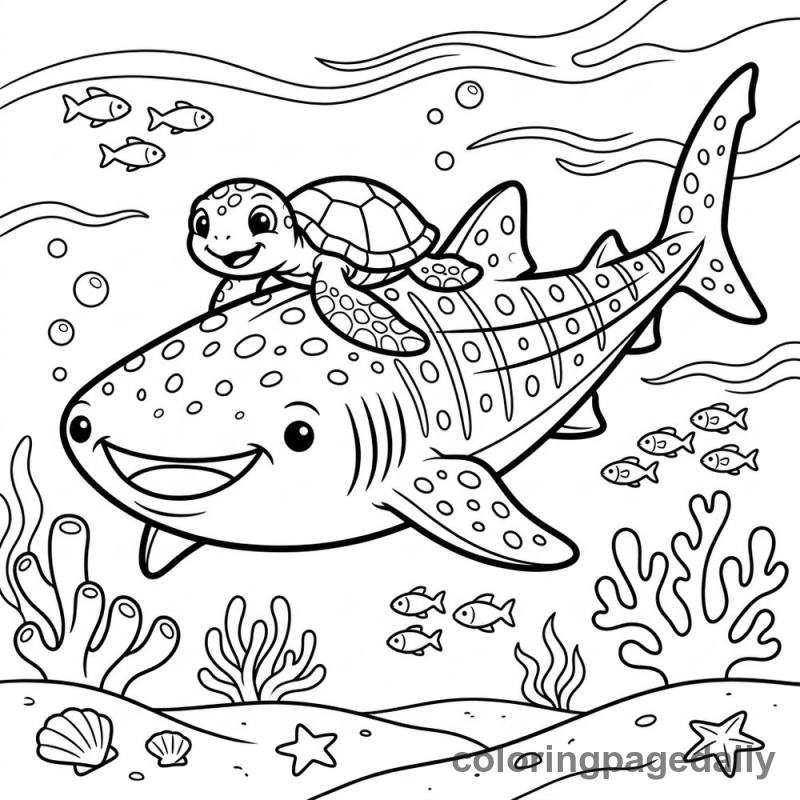
Whale sharks are "filter feeders." Instead of hunting big prey, they swim with their huge mouths wide open to scoop up tiny ocean plants and animals called plankton. They can process over 1,500 gallons of water an hour just to catch their microscopic meals!
The chambered nautilus is a fascinating creature that has roamed the oceans for hundreds of millions of years, even before the dinosaurs existed.
Their beautiful spiral shells are divided into separate "chambers." As the nautilus grows, it builds a new, larger chamber and seals off the old ones. By adjusting the amount of gas and liquid inside these empty chambers, the nautilus can perfectly control its buoyancy, floating up and down like a miniature submarine.
Way down in the deep ocean, where sunlight cannot reach, lives the incredible anglerfish.
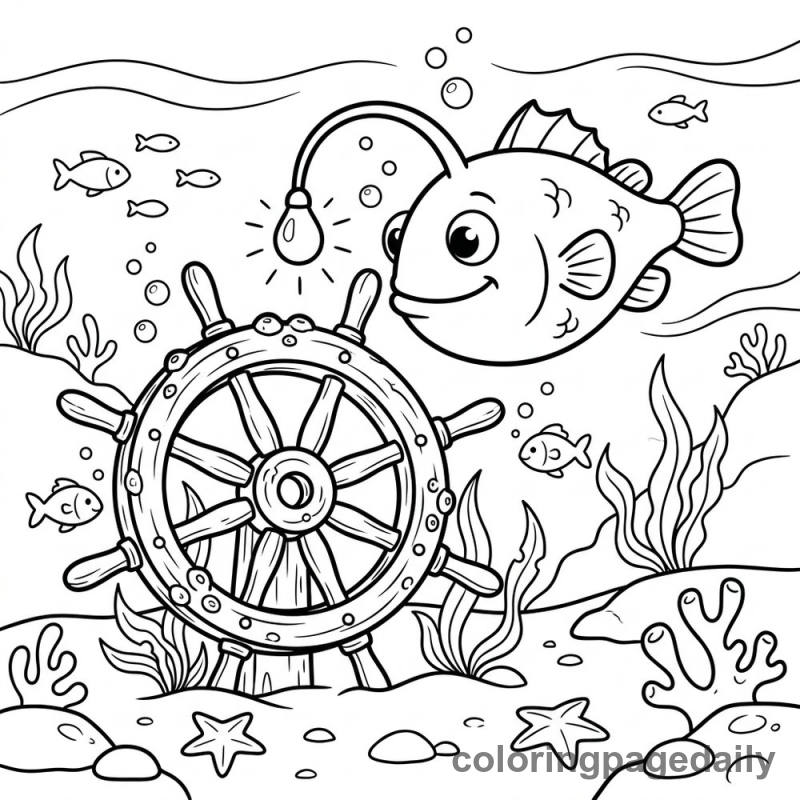
To survive in total darkness, female anglerfish have a modified dorsal fin that acts like a built-in fishing rod. The tip of this "rod" glows in the dark thanks to special light-producing bacteria—a process known as bioluminescence. This glowing lure acts like a beacon, attracting curious prey straight to the anglerfish!
Manatees are large, slow-moving marine mammals often affectionately referred to as "sea cows."
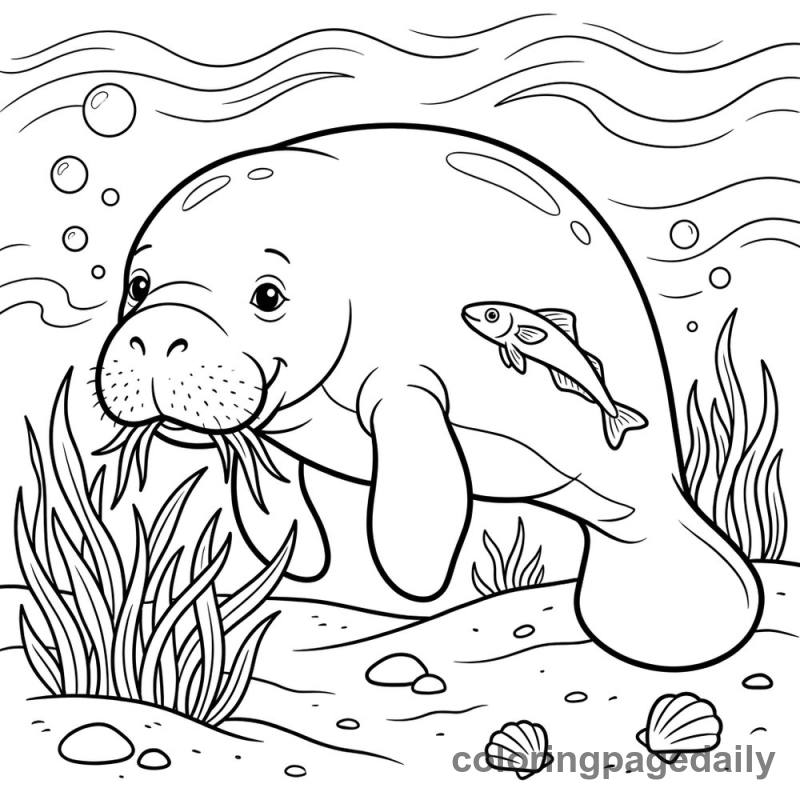
This nickname is entirely accurate, as manatees are herbivores that spend up to seven hours a day grazing on underwater grasses and weeds. Because their food is not very nutritious, an adult manatee has to eat about a tenth of its own body weight in plants every single day to stay healthy.
Seahorses might be fish, but they are incredibly poor swimmers. Instead of swimming around to chase food, they rely on patience and camouflage.
To keep from being swept away by strong ocean currents, a seahorse uses its curly, prehensile tail to tightly grasp onto coral branches, seagrass, or even mangrove roots. From this secure anchor point, they wait for tiny shrimp to float by before slurping them up like a vacuum cleaner!
*
The next time your child reaches for their crayons or markers, use these educational tidbits to turn their coloring session into an exciting underwater marine biology lesson. Happy coloring and learning!
This article is part of Ocean Wonders & Sunken Treasures — browse all 10 coloring pages