Welcome to the latest update of our Ocean Wonders & Sunken Treasures collection! We are thrilled to introduce several brand-new pages that bring the mystery of the deep sea right to your coloring table. From ancient artifacts resting on the sandy bottom to fascinating deep-sea creatures, these new designs offer incredible opportunities to practice unique coloring techniques.
Whether you are a teacher looking for an engaging marine biology art activity or a parent searching for a rainy-day project, we’ve put together some creative coloring tips to help your little artists bring these new pages to life!
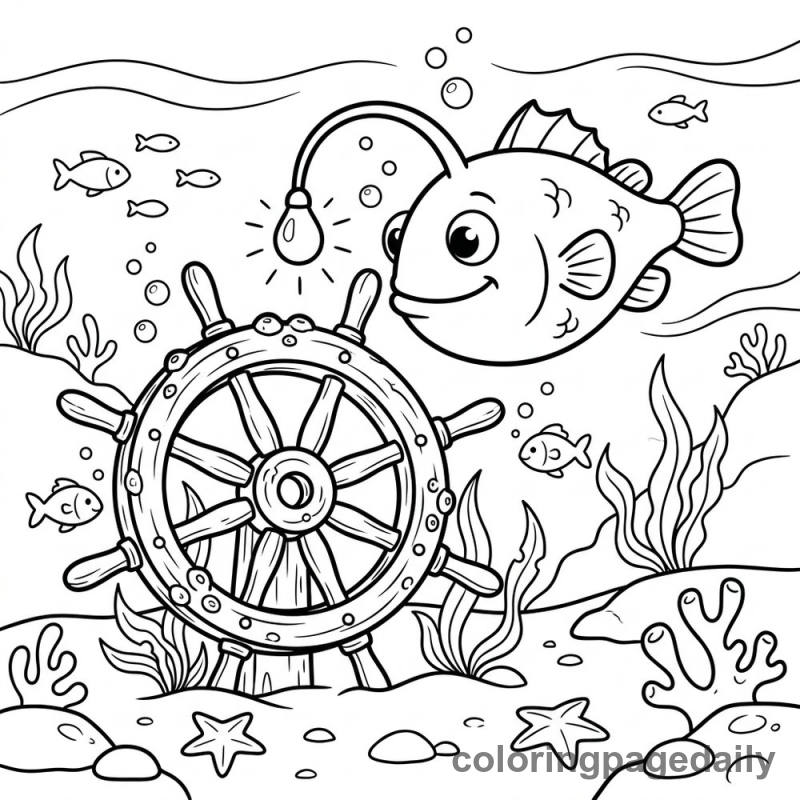
Deep in the ocean, sunlight can't reach the bottom, so some incredible animals make their own light! The anglerfish uses a glowing lure to navigate and find food in the dark. To create a glowing effect on the page, encourage children to start with a bright, vibrant yellow or even a neon gel pen for the bulb. Then, lightly color a soft "halo" of lighter yellow around it, leaving the rest of the surrounding water a very dark purple, navy, or black. This high contrast makes the light pop right off the page!
Sunken human artifacts like ship anchors don't stay shiny for long underwater. They quickly become encrusted with rust and marine life. When coloring the iron anchor, swap out the standard grey crayon! Teach kids to layer unexpected colors: start with a base of brown, add splotches of dark orange and red for rust, and finish with a light scribbling of dark green to represent growing algae. It’s a fun, hands-on way to talk about how salt water affects metal over time.
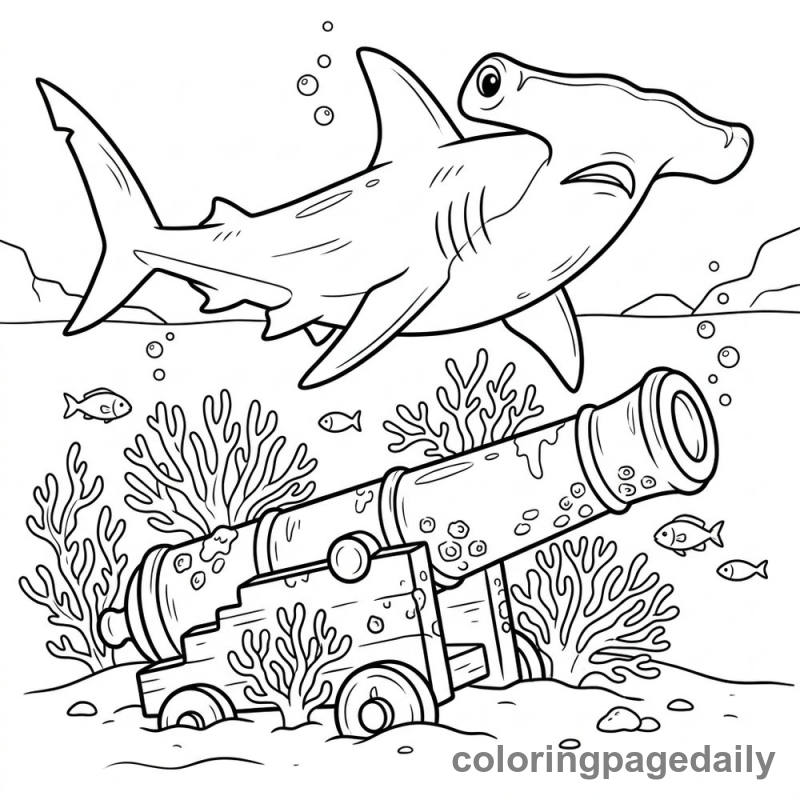
One of the best ways to make an underwater scene dynamic is by contrasting textures. Hammerhead sharks have sleek, streamlined bodies designed for gliding effortlessly through ocean currents. Use smooth, even strokes with a grey or silver pencil for the shark. In contrast, the sunken cannon and surrounding fan coral should look bumpy and rough. Kids can use a technique called "stippling"—making tiny dots with the tip of their marker or crayon—to give the coral and cannon a rough, porous appearance.
Seahorses are masters of camouflage. They use their strong, prehensile tails to anchor themselves to corals so they aren't washed away by the tides. This new page is perfect for practicing intricate patterns. Challenge your young artists to use contrasting complementary colors—like an orange seahorse against blue water, or a purple seahorse holding onto yellow staghorn coral—to highlight the beautiful natural stripes and spots on the seahorse's body.
We can't wait to see how your students and children use these tips. Dive into our newest ocean pages today and let their creativity shine!
This article is part of Ocean Wonders & Sunken Treasures — browse all 10 coloring pages