As parents and educators, we know that children learn best when they are engaged and having fun. The Ocean Wonders & Sunken Treasures Vol. 2 coloring collection is more than just a creative outlet—it’s a fantastic gateway to marine biology! By combining art with educational facts, you can turn a simple coloring session into a captivating science lesson. Let's dive into some incredible real-world facts inspired by the marine life featured in our latest pages.
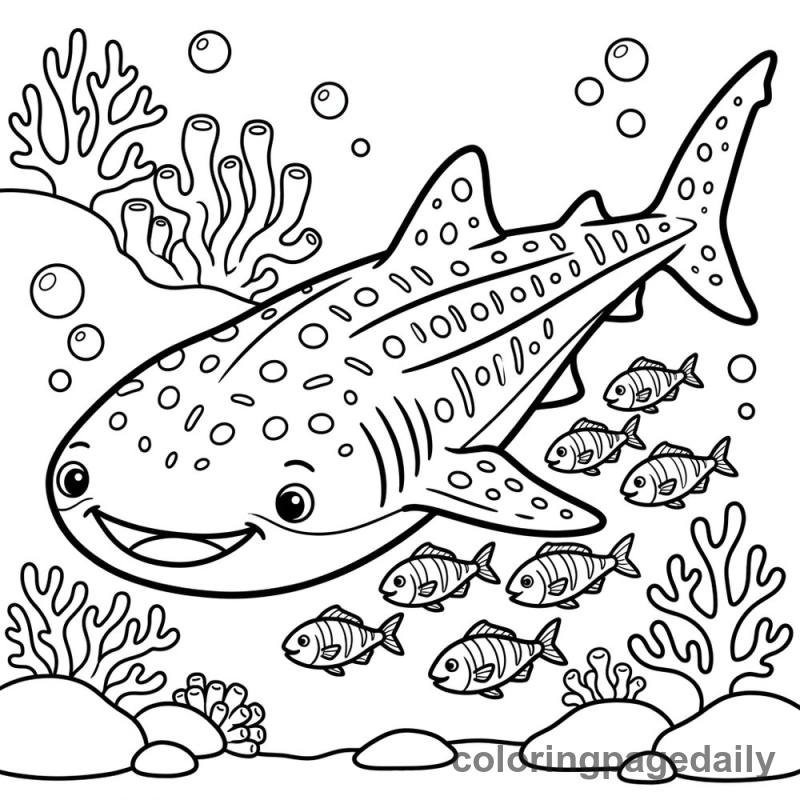
Did you know that the whale shark is the largest fish in the world? Despite their massive size—often growing up to 40 feet long—these gentle giants are harmless filter feeders. They swim with their wide mouths open to scoop up tiny plankton and small fish. If you look closely at our coloring page, you'll see small striped fish swimming alongside the whale shark. These are pilot fish! They share a special relationship called symbiosis with the shark. The pilot fish clean tiny parasites off the whale shark, and in return, they get a free ride in the shark's slipstream and protection from predators.
While coloring the dolphin and giant clam, you can teach kids about two very different ocean record-holders. Giant clams are the largest mollusks on Earth. They can grow up to four feet across and weigh over 500 pounds! Once a giant clam anchors itself to a reef, it stays in that exact spot for the rest of its life.
Above the clam, the bottlenose dolphin represents one of the ocean's smartest mammals. Dolphins use a built-in biological sonar system called echolocation. By sending out clicking sounds that bounce off objects, they can "see" their surroundings and find food, even in murky or dark water.
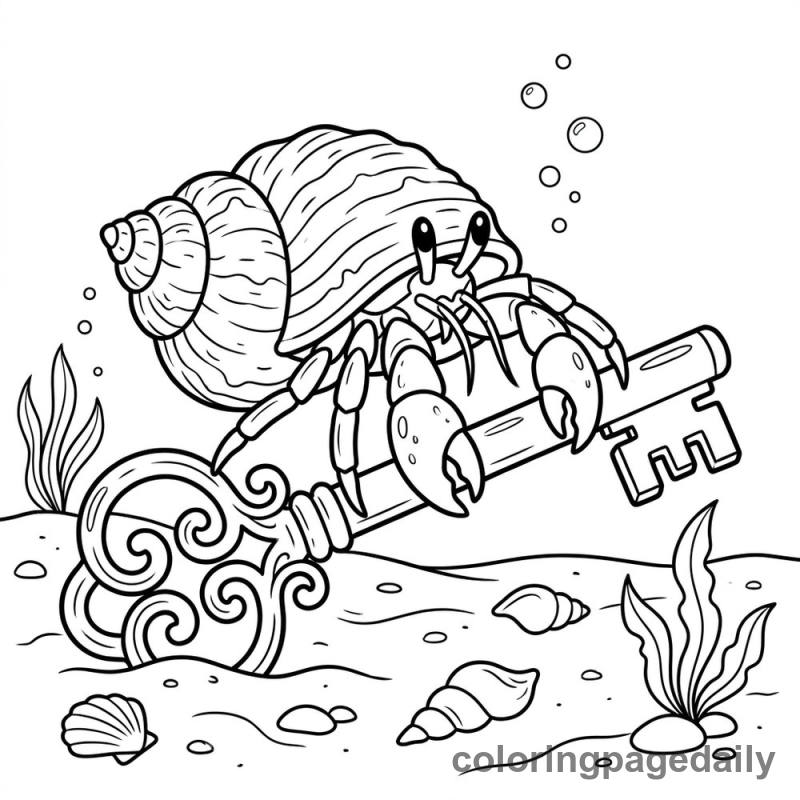
Hermit crabs are nature's little scavengers and recyclers. Unlike other crabs, hermit crabs are born with soft, vulnerable abdomens. To protect themselves, they must find empty shells left behind by sea snails. As the hermit crab grows, it has to move out of its current shell and find a bigger one to move into! While our coloring page features a hermit crab exploring a sunken skeleton key, in the real world, they stick to shells—though they are famously curious and will inspect almost anything they stumble upon on the sandy ocean floor.
Sunken airplanes and ships might seem out of place underwater, but over time, they often become artificial reefs. Corals and sponges attach to the metal, creating a brand-new, thriving habitat for sea life!
One of the beautiful residents you might find exploring such a reef is the Emperor Angelfish. Here is a fantastic fact to share with your little artists: the Emperor Angelfish completely changes its pattern as it grows. Juveniles are dark blue with striking light blue and white circular rings, but as they become adults, they transform to have bold horizontal yellow and blue stripes. It’s like getting to color two completely different fish!
Grab your crayons and colored pencils, and let these educational facts inspire your child's next underwater masterpiece.
This article is part of Ocean Wonders & Sunken Treasures Vol. 2 — browse all 12 coloring pages