Coloring isn't just a fantastic way to develop fine motor skills; it's also a wonderful gateway to learning about the natural world! Our Ocean Wonders & Sunken Treasures Vol. 2 collection features incredible marine life interacting with mysterious sunken artifacts. As your little ones bring these pages to life, use these verifiable, fascinating ocean facts to spark their curiosity about marine biology.
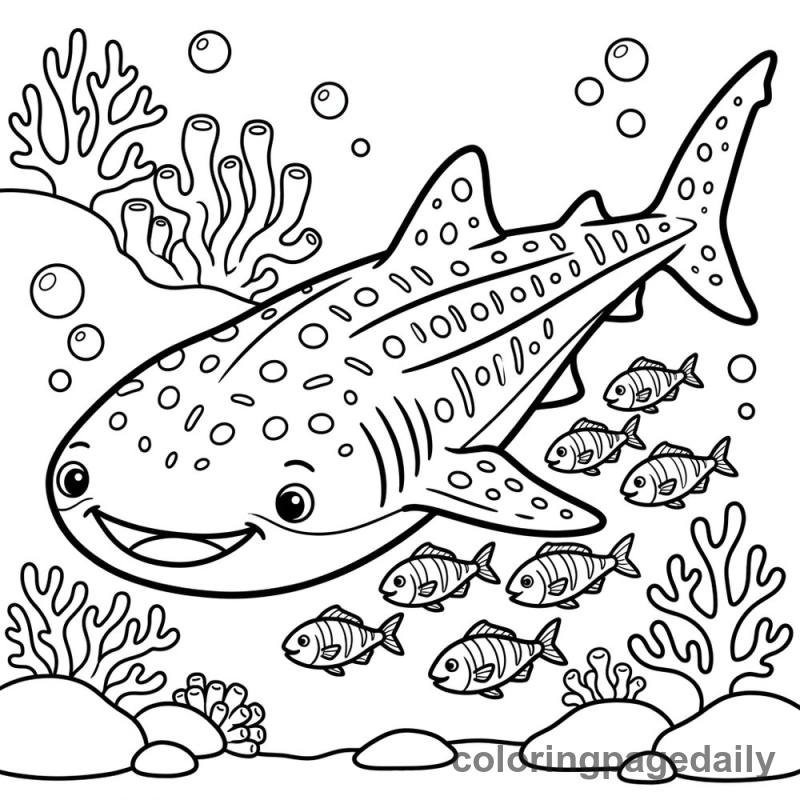
Despite their intimidating name, whale sharks are gentle giants. They are the largest fish in the sea but are filter feeders, meaning they gulp huge mouthfuls of water to catch tiny plankton instead of hunting large prey. Have your kids notice the small striped fish swimming alongside the whale shark in this coloring page. These are called pilot fish! They share a "symbiotic" relationship with the whale shark. The pilot fish get a free ride, saving energy by swimming in the shark's slipstream, and receive protection from predators. In return, the whale shark gets a cleaning service, as the pilot fish eat parasites right off the shark's skin.
While children might be excited to color the playful bottlenose dolphin—a highly intelligent marine mammal that uses clicking sounds (echolocation) to navigate—the real marvel on the ocean floor is the giant clam. These incredible mollusks are the largest bivalves on Earth. They can grow up to four feet across, weigh over 500 pounds, and live for more than 100 years in the wild! Once a giant clam fastens itself to a reef, it stays there for its entire life.
Our collection features several sunken objects, from airplanes to vintage bicycles. But did you know that in the real ocean, sunken structures can actually become bustling underwater cities? When large objects sink to the sandy ocean floor, they act as "artificial reefs." Over time, they become covered in algae, sea anemones, and fan corals.
This new habitat attracts a diverse array of marine life. Beautifully patterned fish, like the Emperor Angelfish, use these structures for shelter, while grazing sea turtles visit to snack on the algae growing on the metal frames.
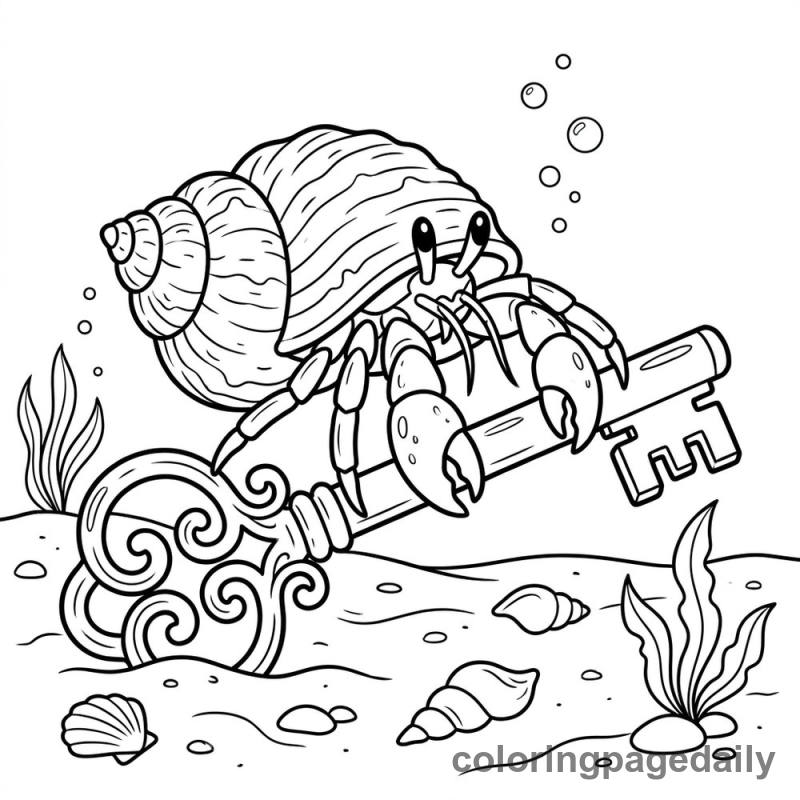
Unlike regular crabs, hermit crabs have soft, vulnerable abdomens. To protect themselves, they must find empty shells left behind by sea snails. As they grow bigger, they have to move out of their old shell and find a larger one to move into! Because they are always scavenging the ocean floor for food and housing upgrades, they are incredibly curious creatures. They are often the first to inspect shiny new "treasures" dropped into the sea, like the antique skeleton key in our coloring page.
Next time your students or children sit down with their crayons, share these fun facts with them. It transforms a simple art activity into an engaging marine biology lesson!
This article is part of Ocean Wonders & Sunken Treasures Vol. 2 — browse all 12 coloring pages