As parents and educators, we know that coloring is more than just a quiet-time activity—it is a fantastic opportunity to teach children about visual storytelling, fine motor control, and foundational art concepts. While our "Animals with Hobbies Vol. 2" collection is packed with playful and imaginative scenes, it also provides the perfect canvas for practicing some advanced, yet kid-friendly, coloring techniques.
Ready to move beyond basic filling in? Grab your favorite colored pencils or crayons, and let's explore how to bring these intricate hobby scenes to life with exciting textures and shading!
Many of our furry friends have chosen hobbies that feature wooden instruments, toys, or tools.
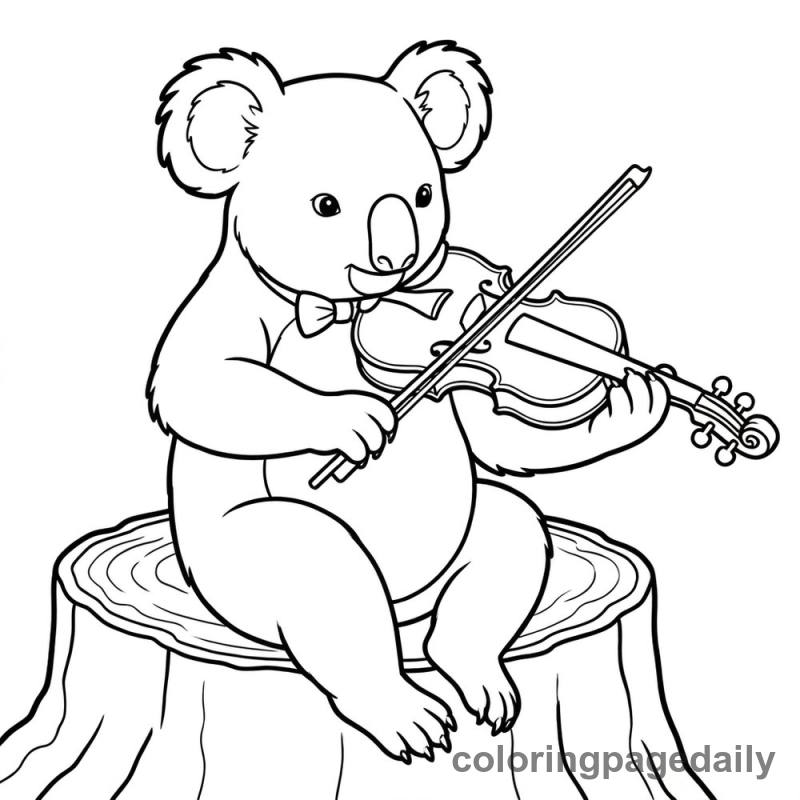
When coloring the koala’s beautiful violin (or the lemur's xylophone), encourage your young artists to use two different shades of brown. Start by coloring the entire instrument with a light brown or tan base. Then, take a sharp, dark brown pencil and draw gentle, wavy lines across the surface. This simple addition creates a surprisingly realistic "wood grain" effect that makes the instrument pop off the page, teaching kids how layering colors adds depth.
Winter hobbies mean warm, cozy accessories, which offer a great opportunity to practice detailed patterning.
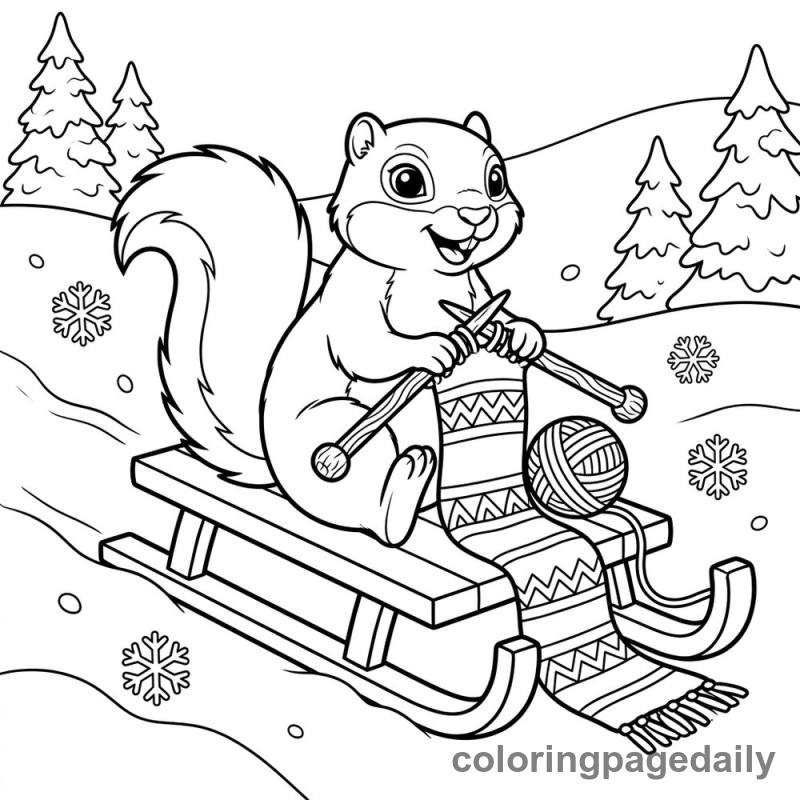
To make the squirrel's scarf look genuinely knitted, introduce your child to the concept of "cross-hatching." Have them draw tiny, overlapping "X" shapes or miniature woven grids inside the lines of the scarf. Using warm, vibrant colors like deep reds, oranges, or bright yellows will also create a lovely color contrast against the cool blue and purple tones you can use for the snowy background.
Hobbies aren't just indoor activities; some require a nice breeze and plenty of open space!
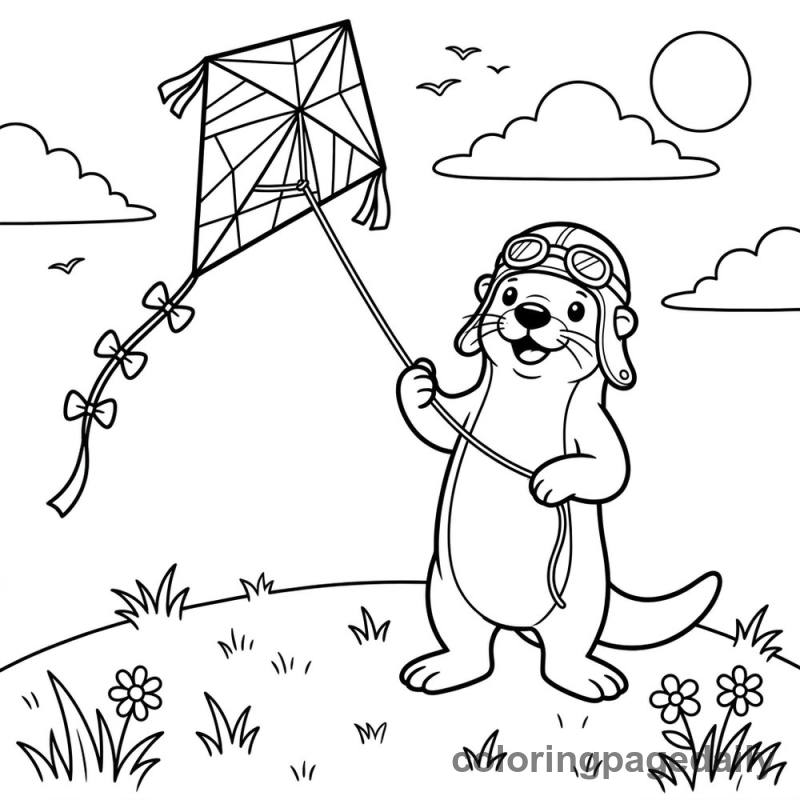
How exactly do you color the wind? You can teach children to use "directional shading." By coloring the grass and the sky with light, sweeping strokes that all point in the same direction the kite is leaning, the whole picture will feel like a breezy spring day. Smudging a little bit of white pastel or chalk into the blue sky can also create beautiful, wispy clouds that add to the feeling of movement.
Let's head into the kitchen for our final art lesson: transforming flat circles into rounded, three-dimensional shapes.
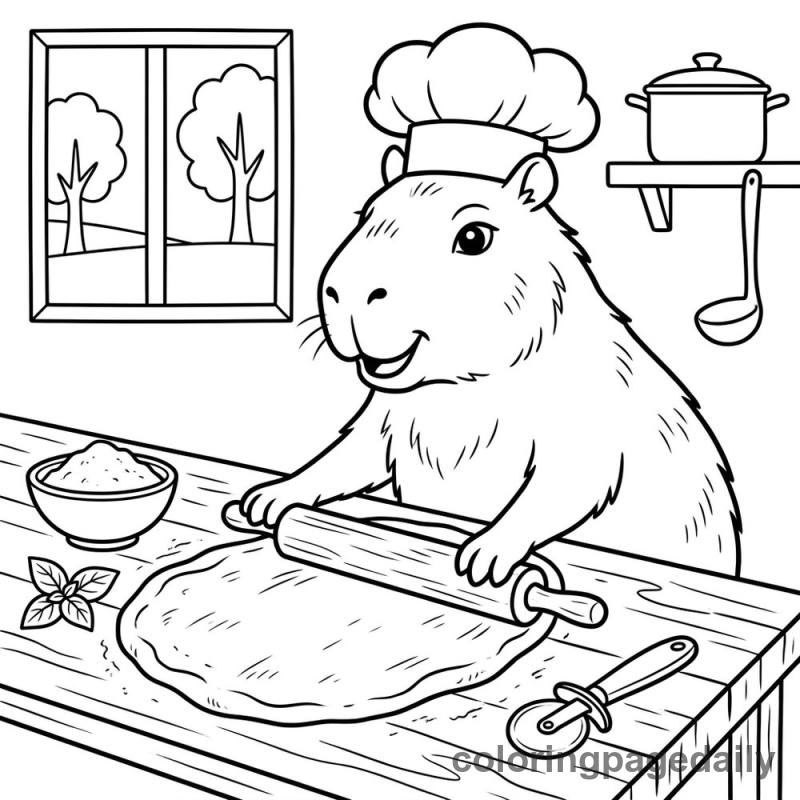
Making flat objects look round is a fantastic skill for budding artists. When coloring the capybara's pizza dough or the wooden rolling pin, show kids how to press slightly harder with their crayon on the outside edges, and press lighter as they move toward the middle. Leaving the very center mostly white creates a "highlight." This gradient shading gives the dough a puffy, three-dimensional look.
These simple techniques not only make coloring pages look fantastic, but they also help children develop grip pressure awareness and an early understanding of lighting. Happy coloring!
This article is part of Animals with Hobbies Vol. 2 — browse all 21 coloring pages