As parents and educators, we know that coloring is more than just a quiet-time activity—it’s a wonderful way for children to develop fine motor skills, explore color theory, and express their creativity. In our Animals with Hobbies Vol. 2 collection, the intricate scenes offer the perfect canvas for practicing new and exciting art techniques.
Instead of just focusing on the animals themselves, these detailed pages allow young artists to dive into the environments and the fascinating objects our furry and scaly friends are interacting with. Here are some engaging coloring tips to help your little ones bring these hobbyist animals to life!
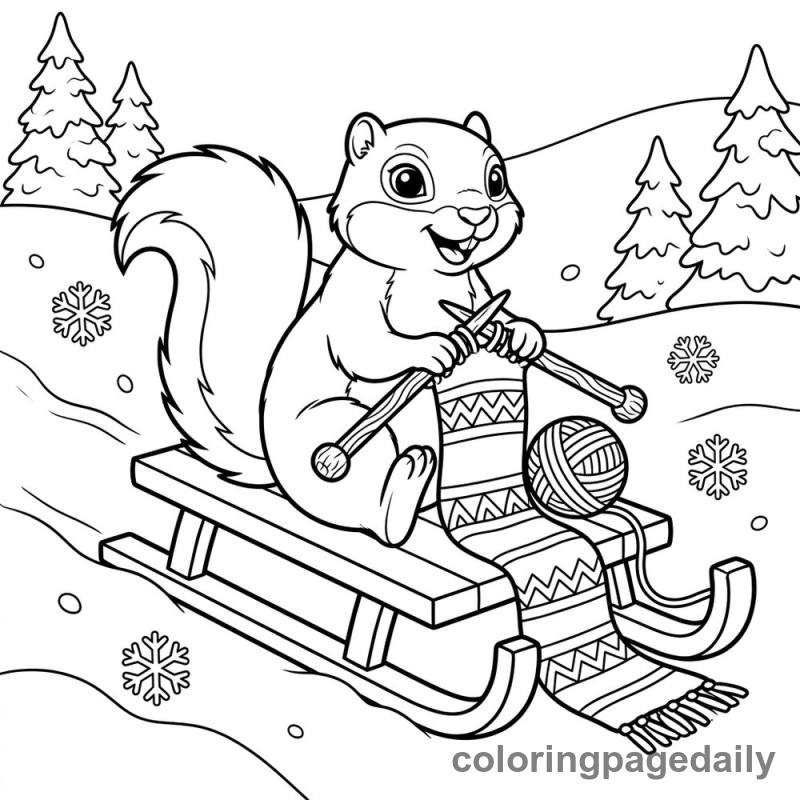
Take our knitting Arctic ground squirrel, for example. Encourage your child to use cool colors—like icy blues, pale purples, and soft grays—for the snow and the wooden sled. Then, have them pick vibrant warm colors, like cherry red, bright orange, or sunny yellow, for the knitted scarf. This color contrast will make the cozy winter accessory pop right off the page!
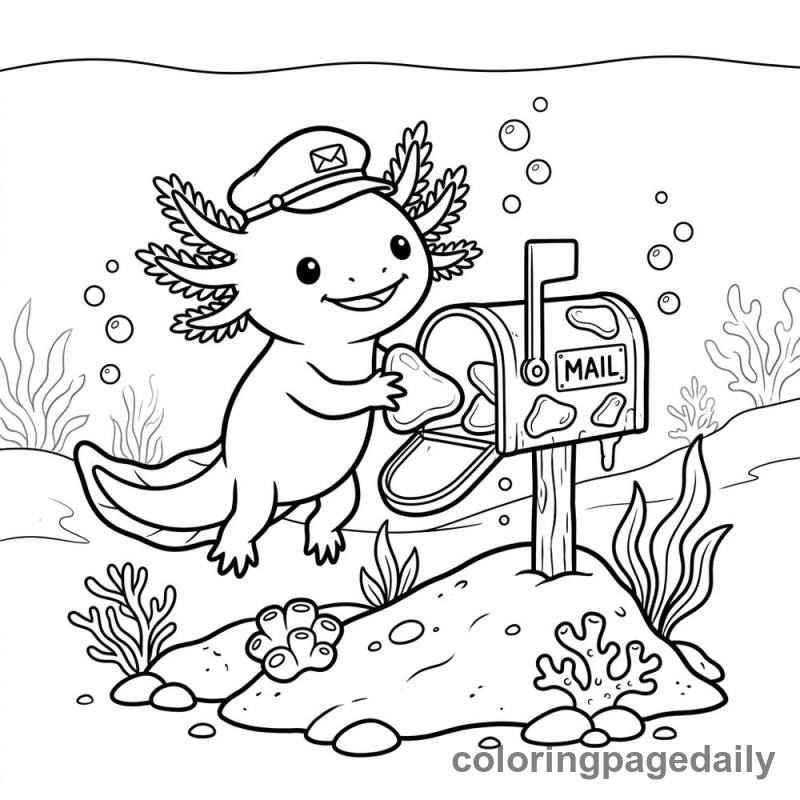
For our artistic axolotl decorating its mailbox, try a fun "crayon resist" mixed-media approach. Kids can color the axolotl, the mailbox, and the sea glass using wax crayons or heavy colored pencils. Then, they can brush a light blue watercolor wash over the entire background. The wax from the crayons will resist the watercolor paint, creating a beautiful, bubbly underwater effect without ruining the fine details of the character.
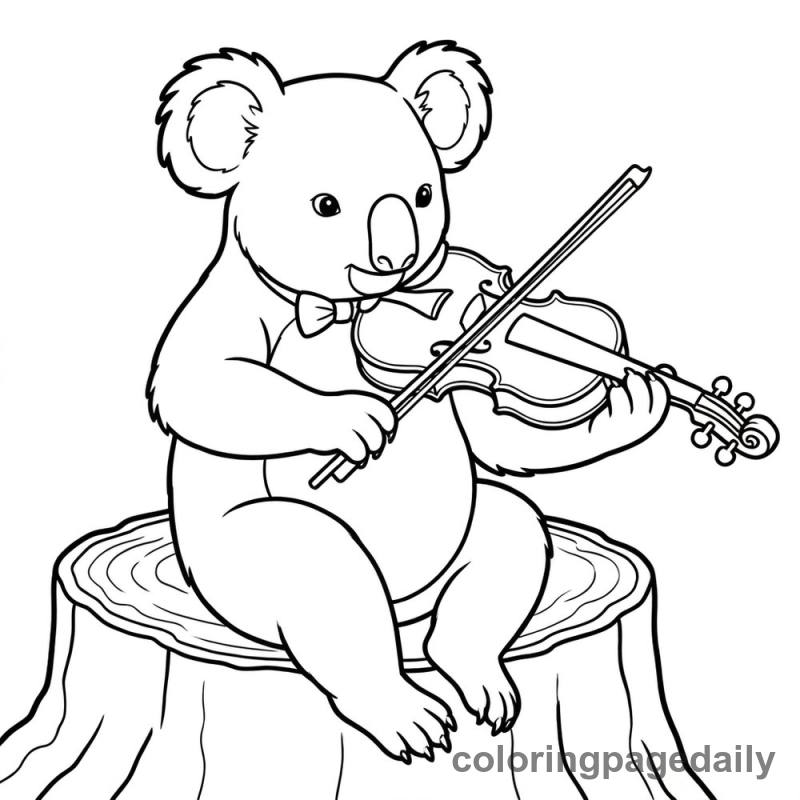
To make the koala's violin and tree stump look realistic, teach your students a simple layering technique. Have them start by coloring a solid base of light tan or yellow. Once that base is down, they can take a darker brown pencil and draw slightly wavy, parallel lines to mimic the natural grain of wood. They can even add little oval "knots" in the wood! This trick adds a whole new dimension of realism to their artwork.
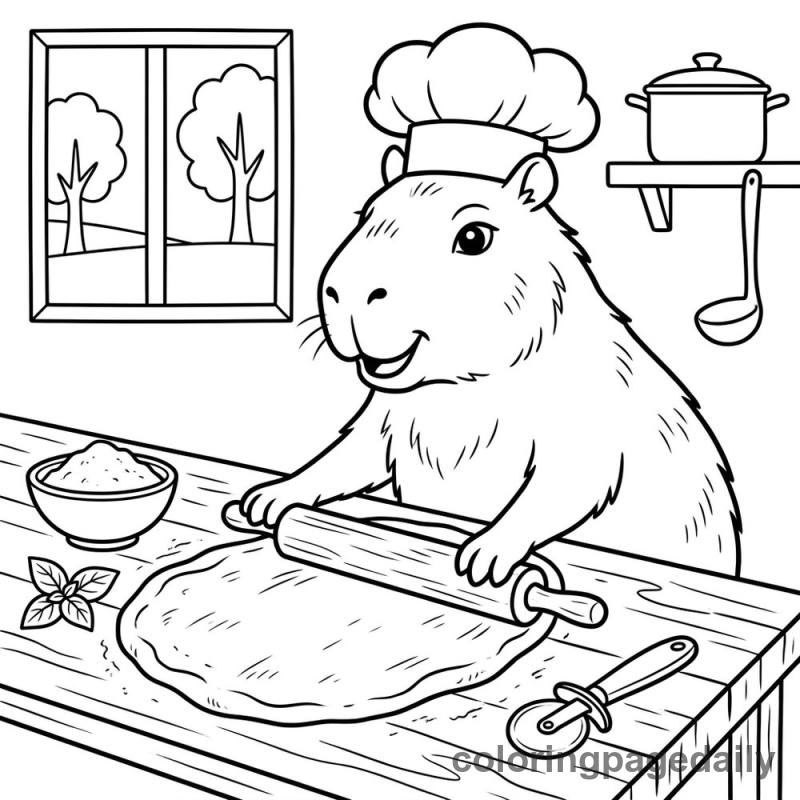
Our culinary capybara is working hard rolling out a massive circle of pizza dough. While the dough on the page is intentionally blank, your child's creativity doesn't have to be! Encourage them to draw their favorite pizza toppings directly onto the dough before they start coloring. Will it be a classic pepperoni and mushroom, or a wacky rainbow candy pizza? Letting children add their own custom elements to the scene is a great way to boost their creative confidence.
Whether they are blending watercolors or practicing their pencil strokes, we hope these tips inspire hours of colorful fun with our hobby-loving animals!
This article is part of Animals with Hobbies Vol. 2 — browse all 21 coloring pages