Welcome back to the creative corner! In our previous guides, we covered the basics of bringing animal fur to life. But as you browse through Animals with Hobbies Vol. 2, you’ll notice our furry and scaly friends are busy with some incredibly detailed pastimes. From baking and building to crafting and exploring, the objects they interact with are just as important as the animals themselves.
Coloring different materials—like wood, food, leaves, and glass—is a fantastic way for children to develop their observational skills and fine motor control. Here are some fun, easy-to-teach coloring tips to help your young artists master the props and backgrounds in our latest collection.
Many of our hobbyists are working with wooden props, which offer a great lesson in texture.
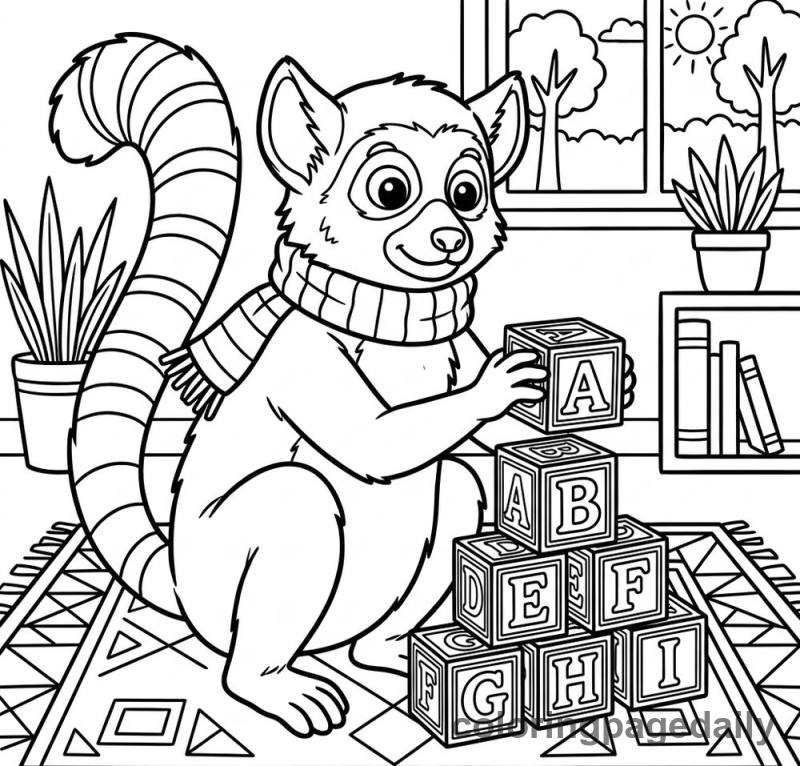
When your little artists are coloring the blocks in our lemur page, encourage them to use two different shades of brown. Have them apply a light brown or tan base first. Then, using a sharp, darker brown pencil, they can draw thin, wavy lines to mimic real wood grain. This simple technique transforms flat blocks into realistic, textured toys!
Food is a vibrant and exciting subject to color, perfect for teaching kids about warm color palettes.
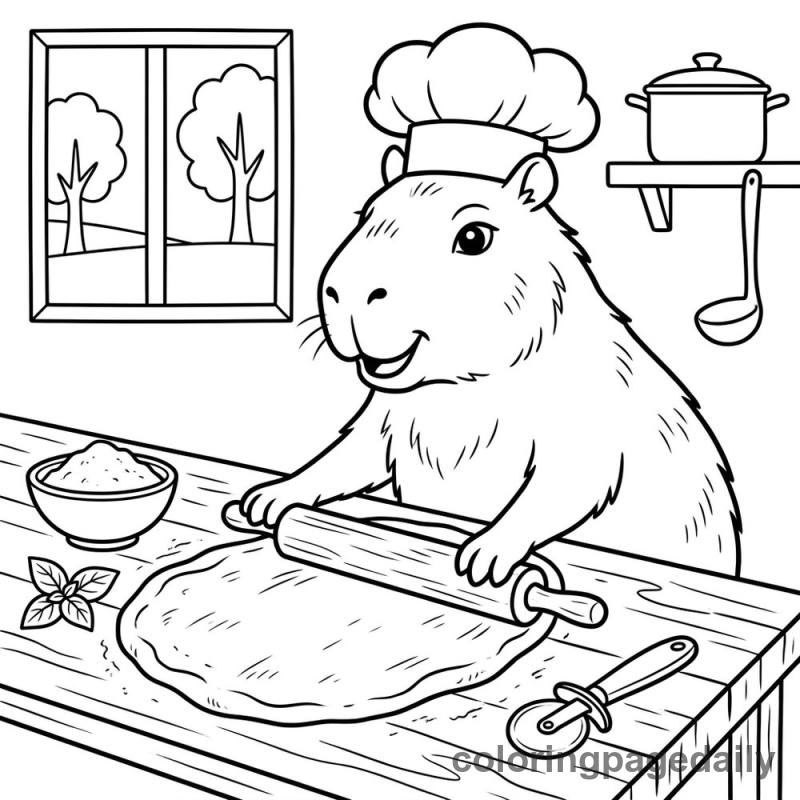
For our capybara chef, teach kids how to make the dough look soft and powdery. A great trick is to color the edges with a pale yellow or light beige, but leave a little white space near the center to act as a floury highlight. Surrounding the dough with rich, warm kitchen colors—like reds, oranges, and deep yellows—will make the whole scene feel cozy and appetizing.
Our outdoor hobbyists are surrounded by beautiful natural elements that are perfect for practicing color blending.
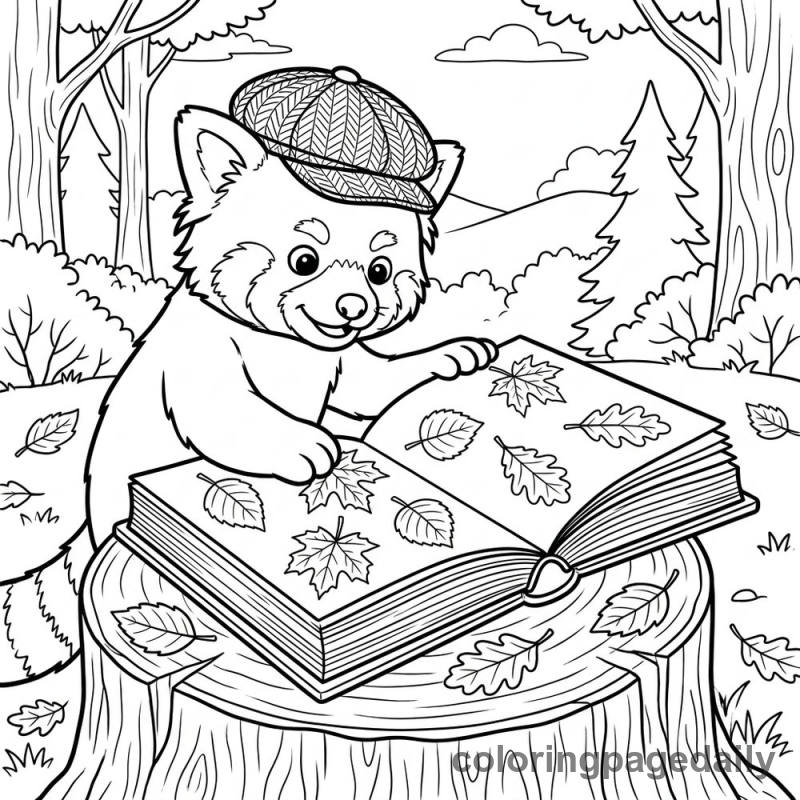
When coloring autumn leaves with the red panda, blending is key! Have students start with a bright yellow base covering the whole leaf. Next, gently overlap the yellow with orange, and finally, add a touch of red just at the edges. This creates a realistic, changing-season effect that makes the foliage pop right off the page.
Coloring shiny materials like metal or glass might seem tricky for beginners, but it’s all about utilizing contrast and negative space.
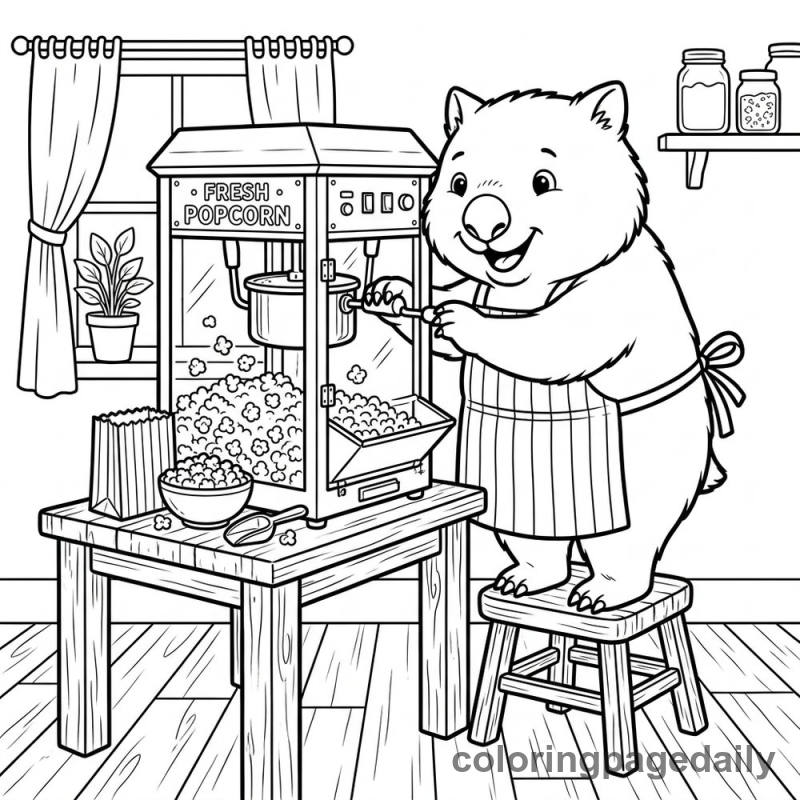
When tackling the vintage popcorn machine, remind kids to leave sharp, white streaks completely uncolored. These blank spaces represent the light reflecting off the glass panels and shiny metal parts. Using a mix of light blue and slate grey around these white highlights works perfectly for creating glossy, reflective surfaces.
By focusing on the materials and props in these pages, children can expand their artistic toolkit while enjoying their favorite animal characters. Happy coloring!
This article is part of Animals with Hobbies Vol. 2 — browse all 21 coloring pages