The wait is over! We have just updated our coloring library with the highly anticipated Taste of the World: Traditional Foods Vol. 3 collection. This fresh batch of illustrations features a diverse menu of global delicacies, perfect for sparking culinary curiosity in your home or classroom.
To celebrate this update, we are sharing some advanced (but kid-friendly!) coloring tips to help your little artists make these meals look absolutely scrumptious. Here is how you can use color theory and blending to bring these new pages to life.
Many of our new pages feature delicious baked dishes, but coloring them a flat brown can make them look dull. To get that mouth-watering, oven-baked glow, encourage kids to layer their colors! Start with a base of light yellow, add a layer of golden orange, and lightly shade the edges with a medium brown.
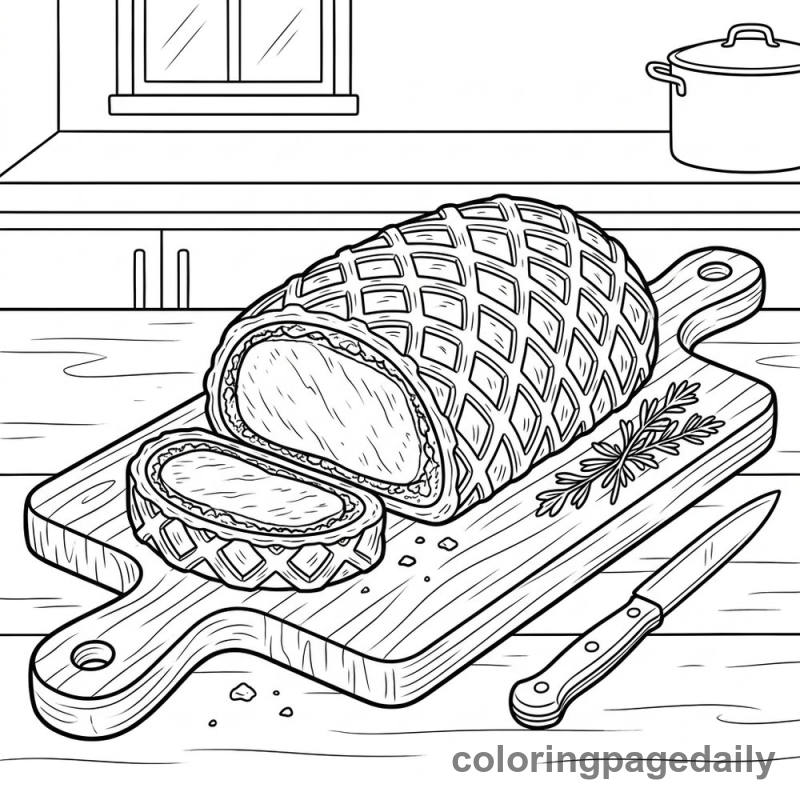
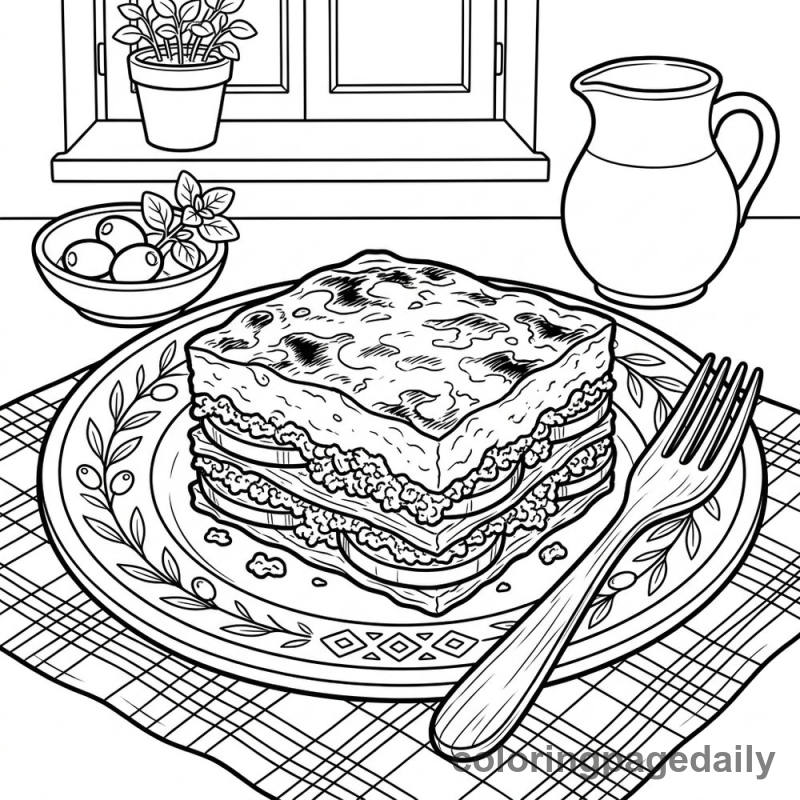
This technique works beautifully on the crosshatched pastry crust of our new Traditional Beef Wellington page. You can also apply the same warm layering to the top baked layer of the Traditional Greek Moussaka Plate to make it look freshly pulled from the oven!
One of the most striking new additions to the collection is the Traditional Korean Bibimbap Bowl. Bibimbap is famous for its distinct, colorful sections of vegetables, meat, and a bright fried egg in the center.
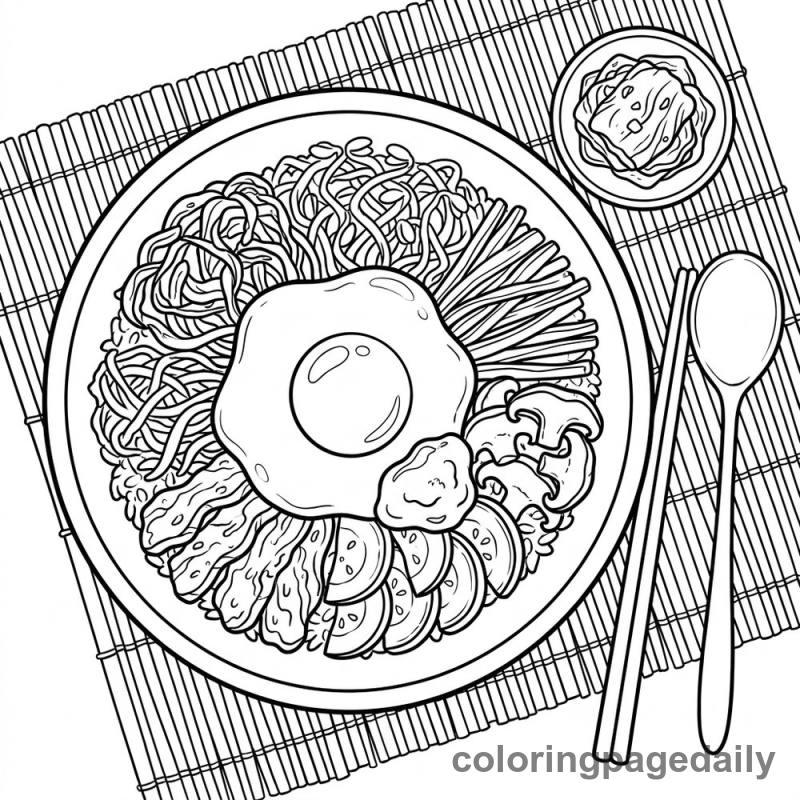
Use this page to teach kids about "color blocking." By placing highly contrasting colors next to each other—like vibrant green spinach next to bright orange carrots or dark brown mushrooms—each ingredient stands out. Make sure to save the brightest, sunniest yellow for that egg yolk in the middle!
Our update wouldn't be complete without a sweet treat. The new Tower of French Macarons is a fantastic opportunity to experiment with soft pastel shades.
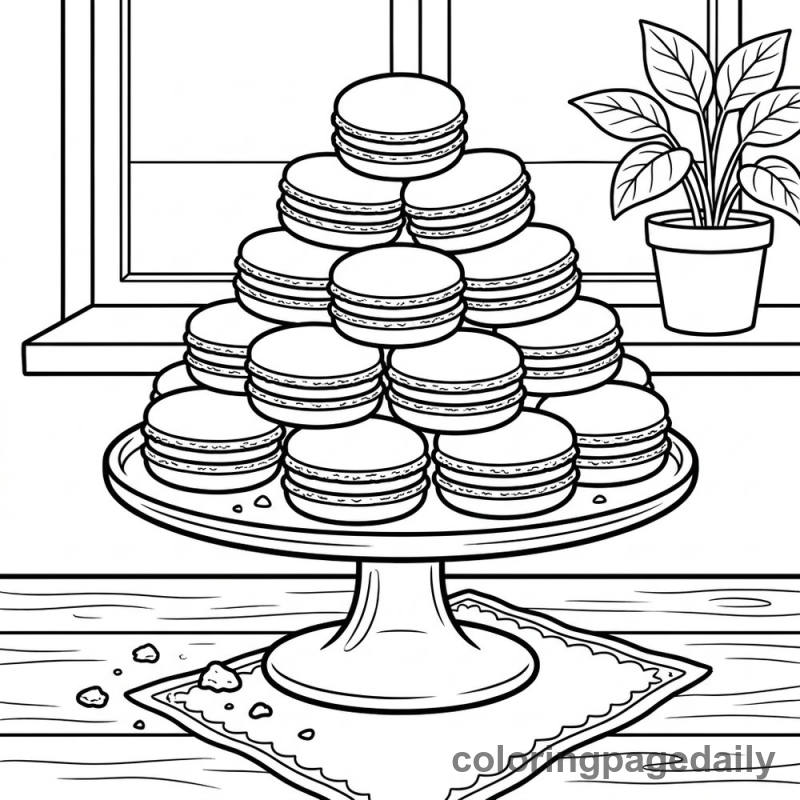
If you are using colored pencils or crayons, teach your students how to control their hand pressure. Pressing very lightly with primary colors like red, green, and blue can create beautiful, delicate pinks, mints, and baby blues. Alternatively, blending a white crayon over a standard color can soften the hue, giving these macarons their famous, delicate appearance.
Finally, how do you make food look juicy or freshly cooked? It is all about the highlights!
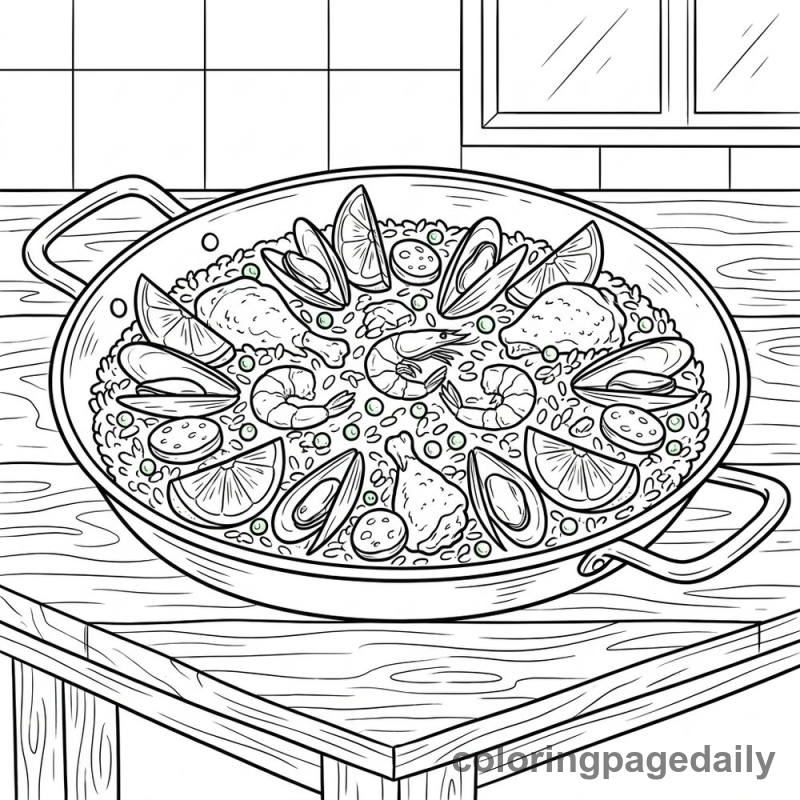
When coloring the Traditional Spanish Paella, show your children how to leave a tiny sliver of the white paper completely uncolored on the round green peas and the edges of the lemon wedges. Leaving these small white spots creates a "highlight," making the food look fresh and slightly glossy.
We hope you enjoy this delicious update to our coloring library. Print out a few of these new pages today, and let the culinary creativity begin!
This article is part of Taste of the World: Traditional Foods Vol. 3 — browse all 17 coloring pages