Food is more than just fuel for our bodies; it is a fascinating window into the history, geography, and culture of a country. For parents and teachers, combining creative coloring time with culinary history is a wonderful way to teach children about the world.
Let's dig into some fascinating, bite-sized facts about the traditional dishes featured in our Taste of the World: Traditional Foods Vol. 3 coloring collection!
Did you know that the iconic shape of the pretzel has a historical meaning?
It is widely believed that pretzels were invented in the early Middle Ages by European monks. The unique twisted shape was designed to represent a child's arms crossed in prayer. The monks would give these baked dough treats to children as a reward for learning their prayers. Today, the soft pretzel is a beloved staple of German culture.
Sometimes, the name of a dish tells you everything you need to know about how it was made—or how it looks!
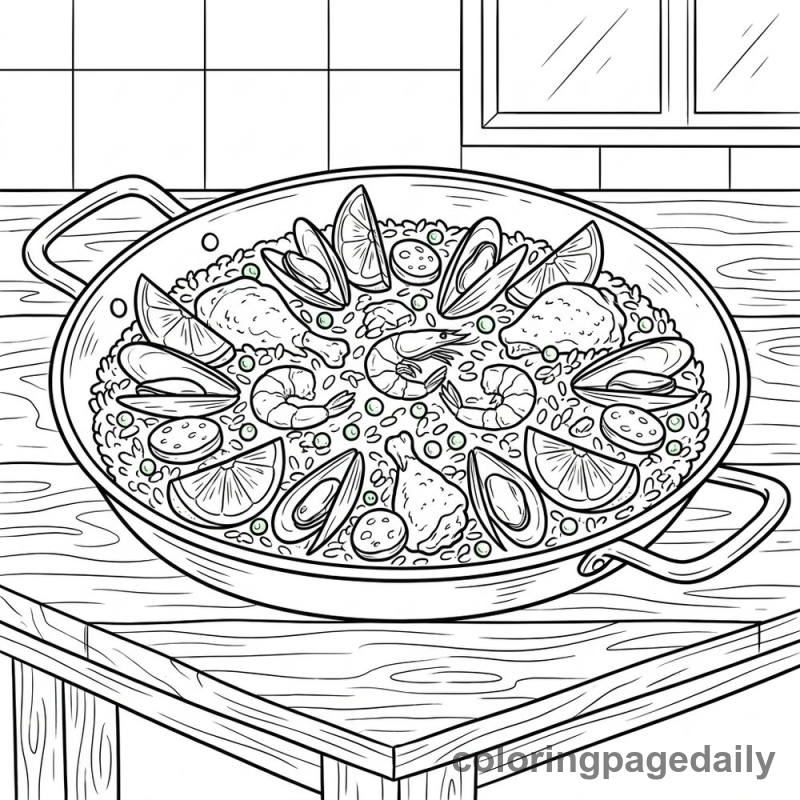
Take Paella, for example. This world-famous rice dish originated in the coastal region of Valencia, Spain. Interestingly, the word "paella" actually refers to the wide, shallow metal pan it is cooked in, rather than the food itself! The pan's wide surface area allows the rice to cook evenly in a thin layer, creating a delicious crispy crust at the bottom called socarrat.
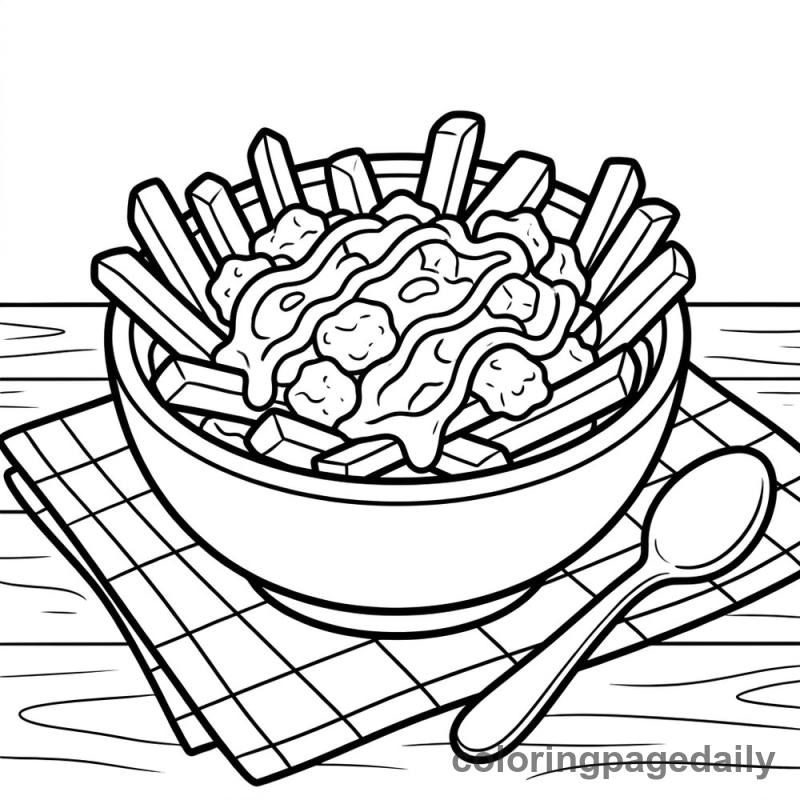
Then we have Poutine, Canada's famous comfort food consisting of crispy french fries, squeaky cheese curds, and rich brown gravy. Originating in the province of Quebec in the late 1950s, the word "poutine" is widely said to be Quebecois slang for "a mess." It may be a mess, but it is certainly a delicious one!
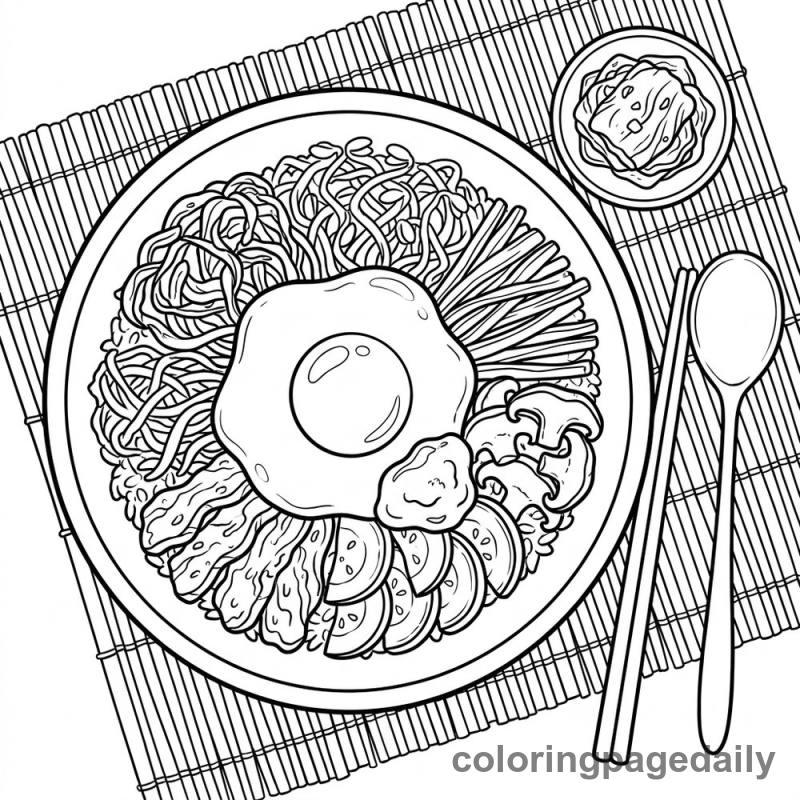
In Korean, Bibimbap literally translates to "mixed rice." Historically, this colorful and nutritious bowl was eaten on the eve of the Lunar New Year. The reasoning was highly practical: families wanted to clear out all their leftover side dishes before the start of the new year, so they mixed them all together with rice and a savory sauce!
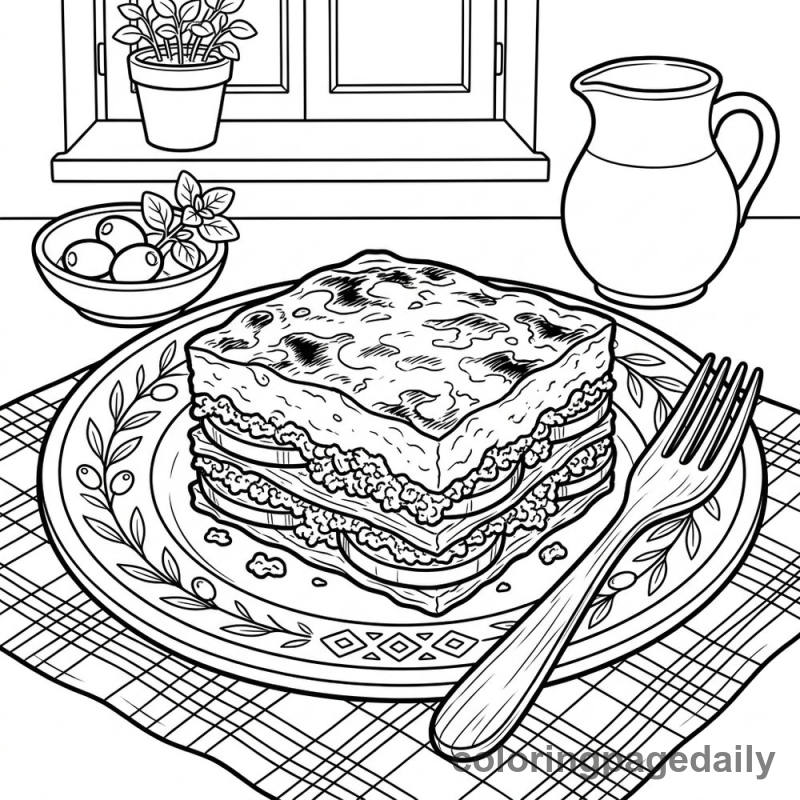
While Moussaka has ancient roots in the Middle East and the Balkans, the iconic Greek version we know today is actually quite modern! The version featuring a thick, fluffy top layer of baked béchamel sauce was popularized in the 1920s by a highly influential Greek chef named Nikolaos Tselementes. He wanted to incorporate French culinary techniques into traditional Greek cooking, resulting in a beloved culinary masterpiece.
Educational Tip for Parents and Teachers: Use these historical facts to spark conversations while your little ones color. Asking critical thinking questions like, "What ingredients do you think were available to people living near the ocean versus the mountains?" can turn a simple art activity into an enriching geography lesson!
This article is part of Taste of the World: Traditional Foods Vol. 3 — browse all 17 coloring pages