Welcome back to the lab! We are thrilled to announce fresh updates to our STEM & Science Discoveries Vol. 3 collection. Our friendly robot helpers have been hard at work building, experimenting, and tinkering. This latest batch of coloring pages is perfect for parents and educators looking to spark conversations about engineering, renewable energy, and physics—all while having fun with crayons and markers.
Here is a digest of our newest additions, along with some creative coloring techniques to help your little learners bring these scientific scenes to life!
One of our favorite new additions explores the fascinating world of mechanical engineering.
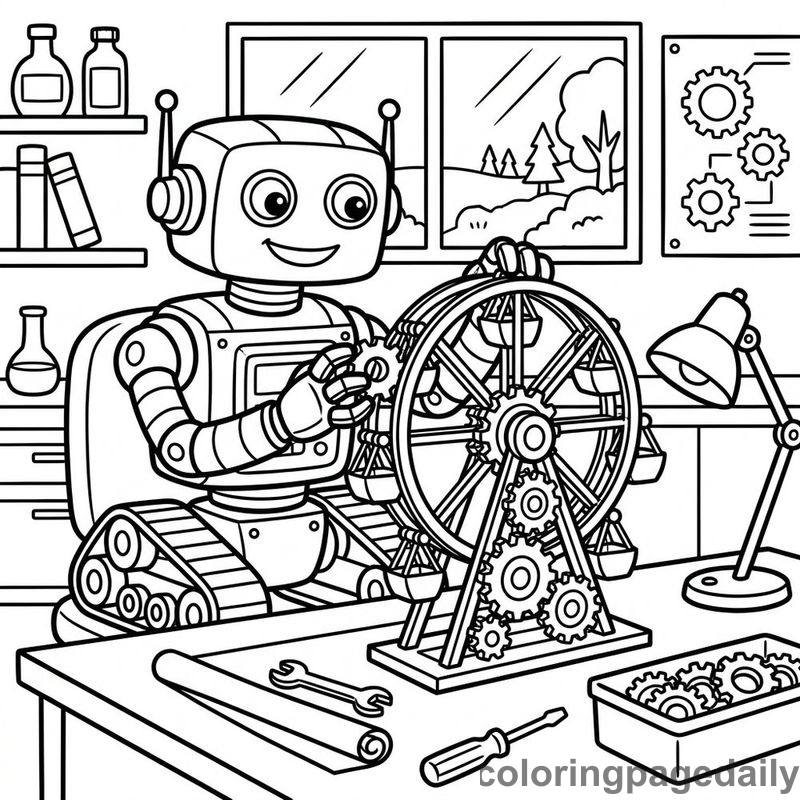
When coloring intricate machinery like the gear Ferris wheel, it’s a great opportunity to practice metallic effects.
Coloring Tip: The Metallic Shine. To make gears look like real metal, try layering your colors. Start with a light grey or pale yellow base, then add darker shades (like charcoal or bronze) to the edges of the gears. Leave a small strip of white space in the middle of a cylindrical part or near the edge of a gear to create a shiny "highlight" effect. This simple trick makes 2D drawings pop with 3D realism!
Energy and electricity are also taking center stage in this update.
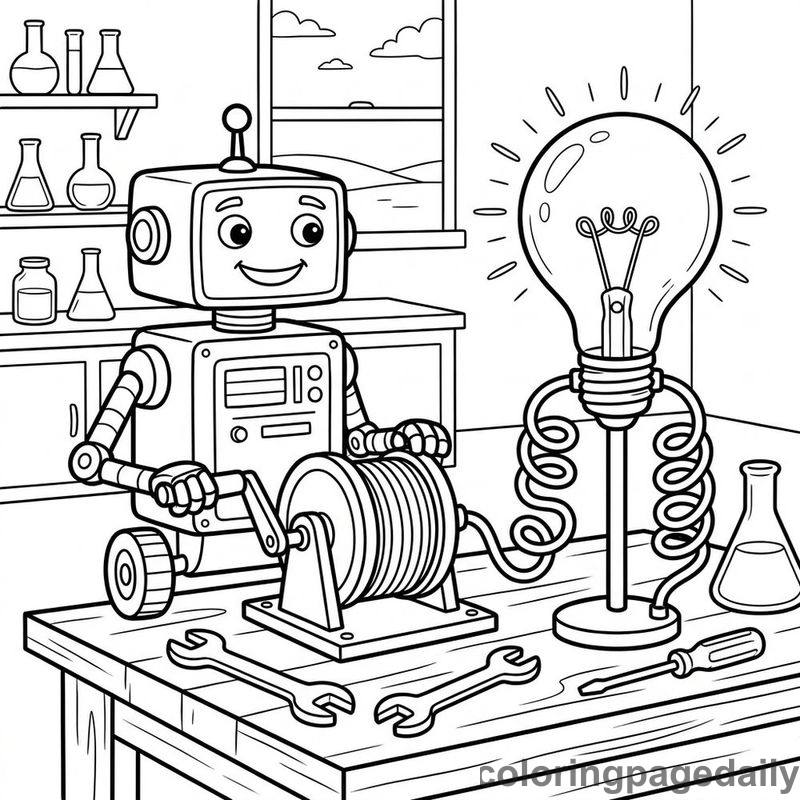
This page is a fantastic way to explain how a hand-crank generator works by converting mechanical energy (the turning of the crank) into electrical energy.
Coloring Tip: The Glowing Effect. When coloring the giant lightbulb, you can make it look like it's actually shining! Use a bright lemon yellow for the center of the bulb. Then, lightly shade the area immediately surrounding the outside of the glass with a soft yellow or pale orange. This "halo" effect creates a brilliant optical illusion of glowing light.
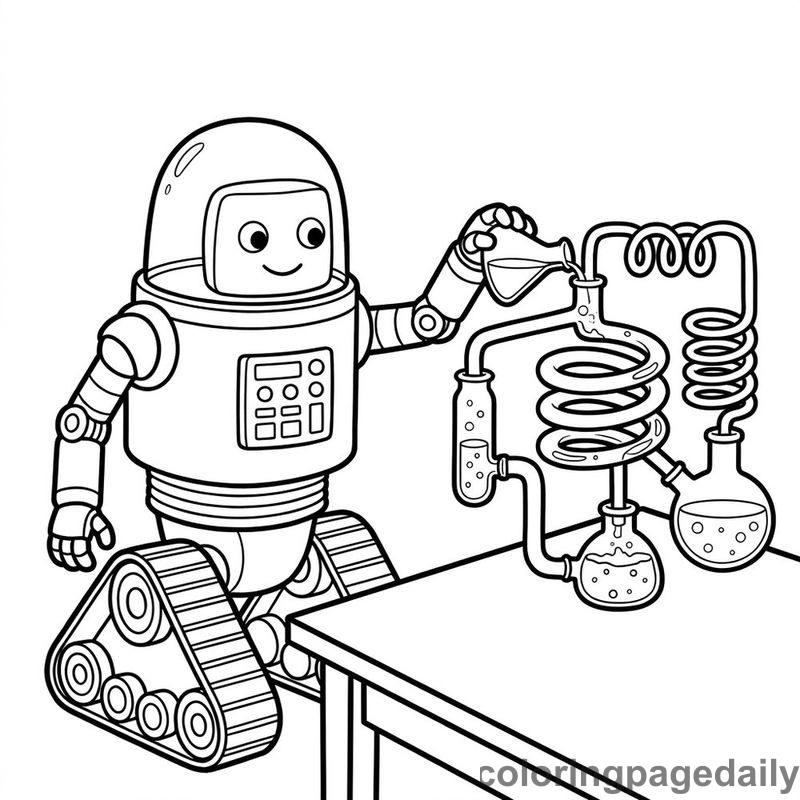
For our young scientists who love a good mixture, our chemistry and optics pages are sure to be a hit.
Coloring Tip: Hands-on Color Blending. The spinning color wheel page isn't just a coloring sheet; it's a practical lesson in art and science! Challenge your young artists to color the wheel using only primary colors (red, blue, and yellow) as their base crayons. Have them physically overlap red and yellow to make the orange sections, or blue and yellow to make green. This hands-on blending teaches them exactly how primary colors combine to create the entire spectrum.
Finally, we've added a wonderful piece focusing on green energy.
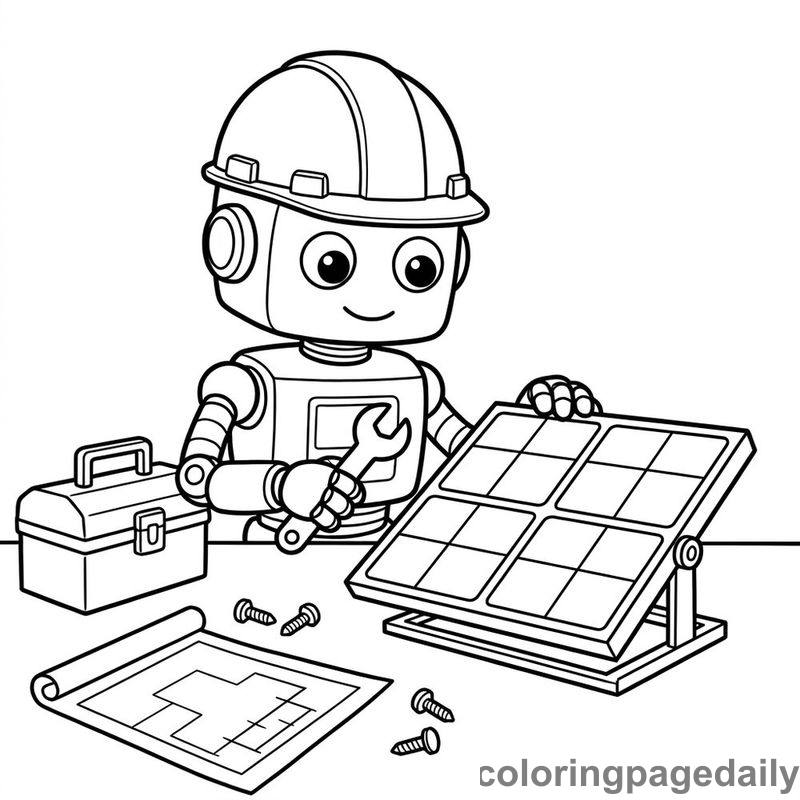
This page is an excellent conversation starter about how solar panels capture sunlight to generate electricity. Encourage your children or students to think about the vibrant colors of nature contrasting with the sleek, dark blues and blacks of the solar technology as they fill in the scene.
All these new pages are available now in the STEM & Science Discoveries Vol. 3 collection. Grab your favorite coloring supplies, power up your imagination, and let’s get experimenting!
This article is part of STEM & Science Discoveries Vol. 3 — browse all 9 coloring pages