The wait is over! We are thrilled to announce the newest update to our coloring library: a fresh batch of illustrations for our STEM & Science Discoveries Vol. 2 collection. Our curious, friendly robots are back in the laboratory, ready to build, experiment, and explore alongside your little learners.
While our previous updates focused on the fascinating science behind these scenes, today we are sharing a creative digest filled with fun coloring tips. These techniques will help parents and teachers guide children in bringing these intricate scientific illustrations to life!
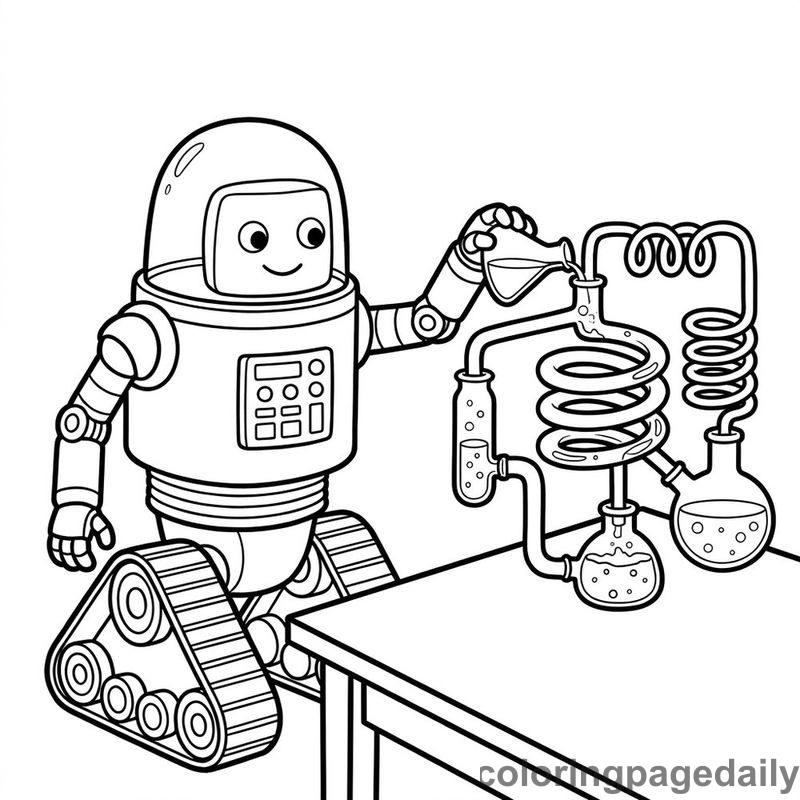
Coloring beakers and test tubes is a fantastic way to experiment with contrast. When coloring the liquids in our new chemistry pages, encourage kids to use bright, neon colors like electric blue, radioactive green, or vibrant magenta. To make the chemistry tubes look like real, shiny glass, leave a thin, uncolored white line running down the side of the tube. This simple trick creates a "highlight" that mimics the reflection of light on a curved glass surface!
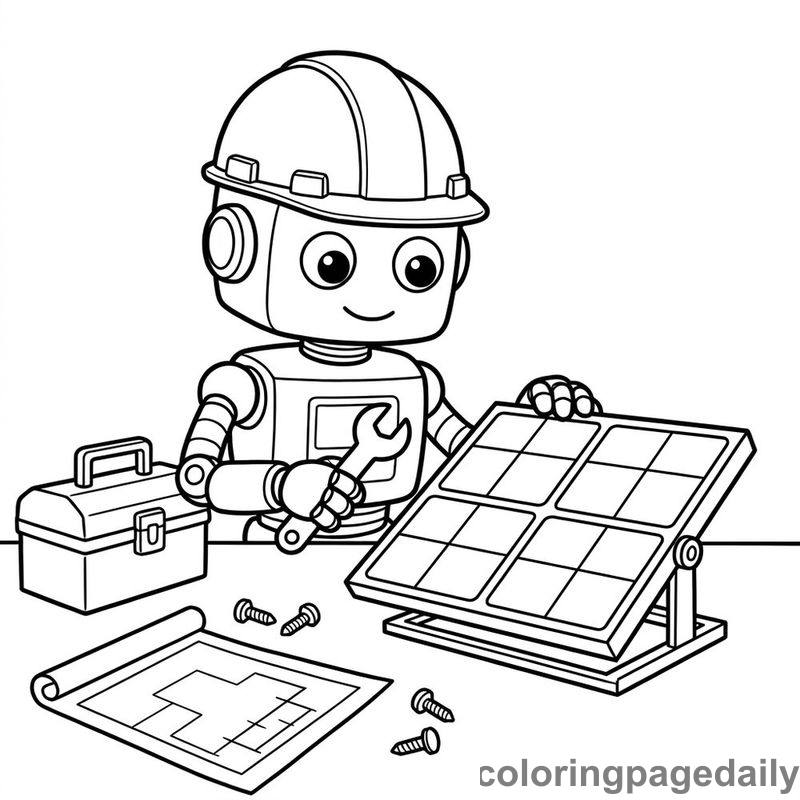
Renewable energy is a brilliant STEM topic, and our new solar panel illustration is perfect for sparking discussions about electricity. Solar panels have a very distinct look. Have your young artists use deep shades of blue and purple for the panels themselves. Then, using a white crayon or a light blue colored pencil, they can draw diagonal streaks across the grid to represent the sun's glare. For an extra touch, color a bright yellow "glow" around the robot to show the sunlight powering the array.
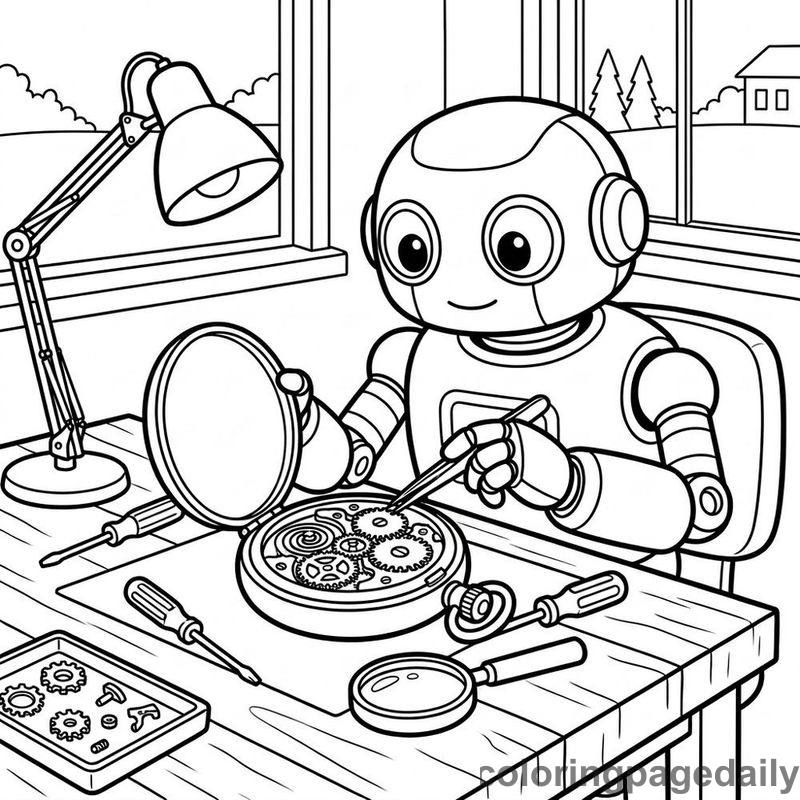
Several of our newly added pages feature highly detailed gadgets, like antique pocket watches and vintage metronomes. For these intricate designs, swap out the chunky crayons for fine-tip markers or sharply pointed colored pencils. If the robot and the gears are colored in similar shades, they might blend together. Teach kids about color contrast by suggesting they color the workbench or background in a dark, cool color (like navy blue or forest green) so the warm, delicate gears stand out beautifully against the backdrop.
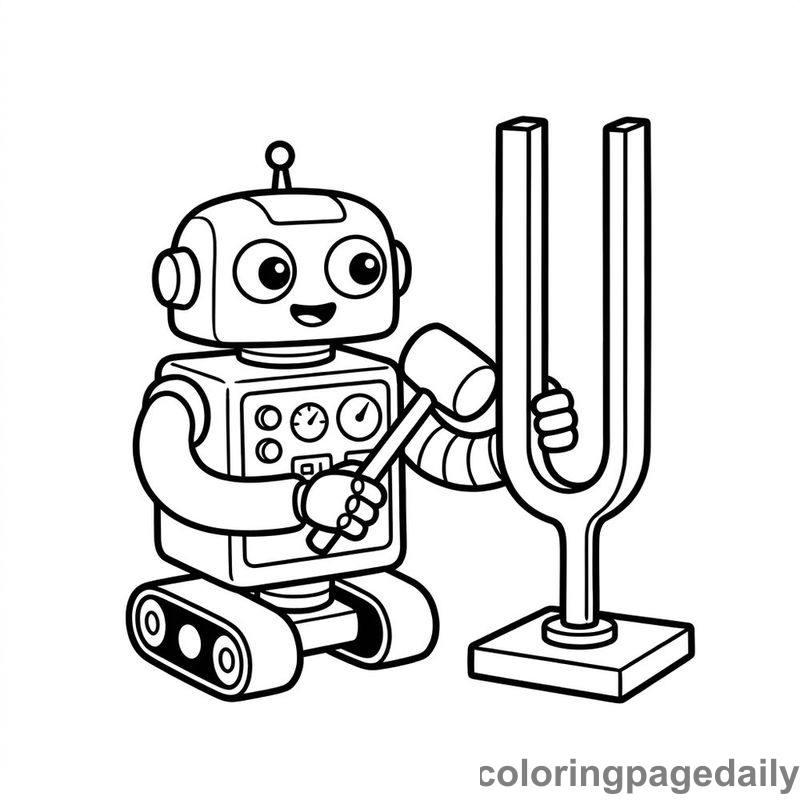
Sometimes, the best coloring happens outside the lines! When coloring our tuning fork illustration, talk to your students or children about how sound travels in invisible waves. Invite them to draw their own colorful sound waves radiating outward from the vibrating metal. They can use alternating bands of color, zigzag lines, or concentric circles to represent the loud, ringing noise filling the laboratory.
Head over to the gallery to download these brand-new additions and start experimenting with color today!
This article is part of STEM & Science Discoveries Vol. 2 — browse all 14 coloring pages