Welcome to our Sports & Athletics Champions coloring collection! As parents and educators, we know that coloring is a fantastic way to develop fine motor skills and spark creativity. But did you know it can also be a springboard for learning about physics, history, and global cultures?
While your little artists are busy bringing these dynamic athletes to life, you can share these fascinating, real-world educational facts to make their coloring session even more enriching.
Have you ever watched a high jumper arch backward over the bar and wondered why they jump that way?
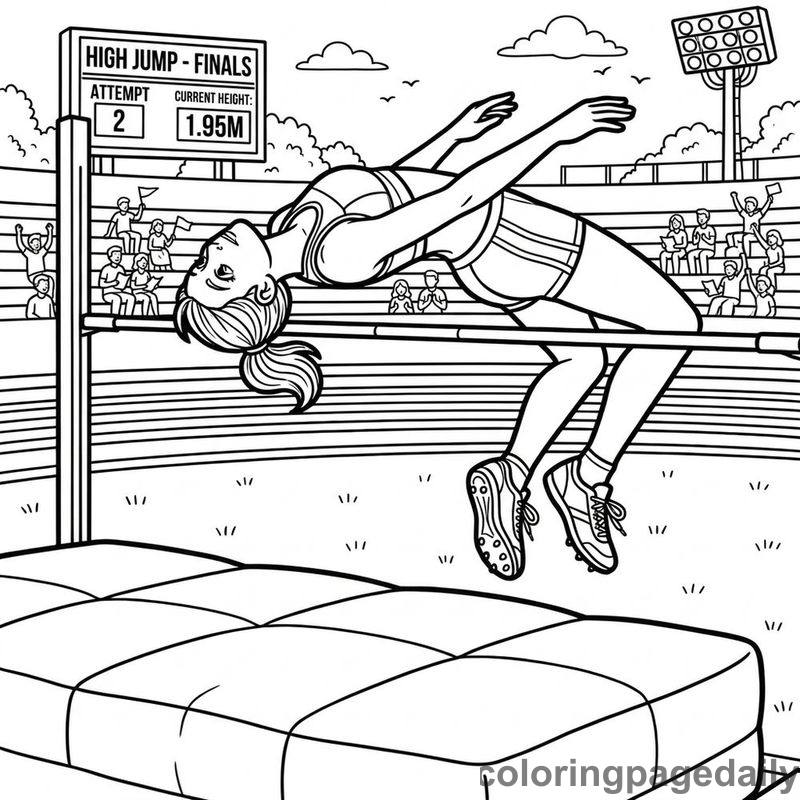
This technique is called the "Fosbury Flop," named after American athlete Dick Fosbury, who revolutionized the sport at the 1968 Olympics. By bending backward, a jumper actually lowers their center of gravity so that it passes under the bar, even as their physical body goes over it. It is a brilliant example of physics in action!
Similarly, long jumpers use science to fly farther.
While in the air, many long jumpers move their arms and legs as if they are running or bicycling. This mid-air motion, called the "hitch-kick," isn't just for show—it stops their body from rotating forward, helping them maintain balance and land feet-first for maximum distance.
When kids color our cycling pages, they might notice the track looks a bit unusual.
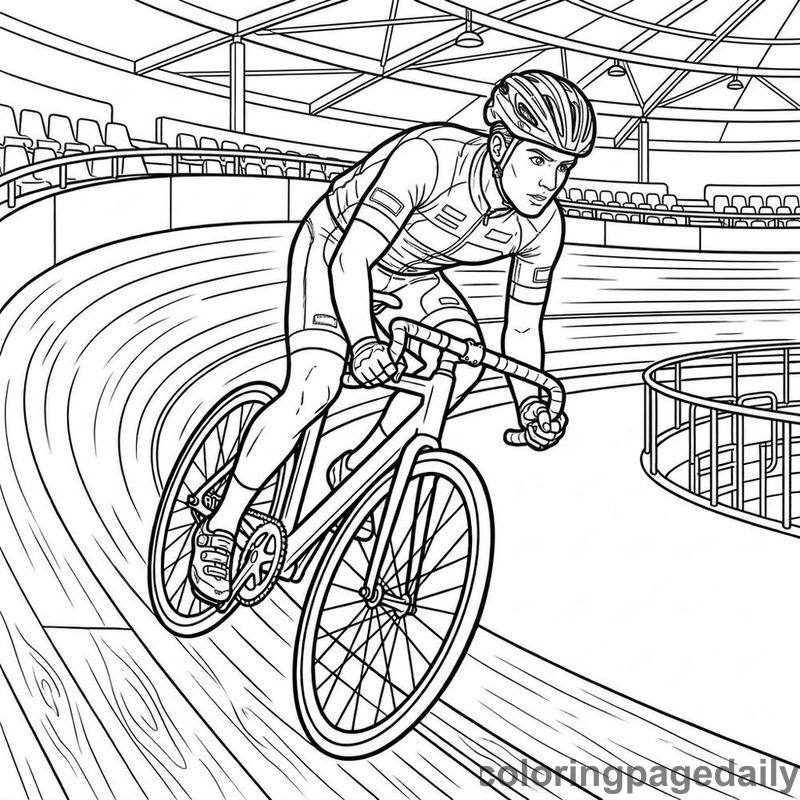
Indoor track cycling takes place in an arena called a "velodrome," which features wooden tracks with steeply banked curves. These curves can be tilted at an angle of up to 45 degrees! This steep banking allows cyclists to maintain incredible speeds without flying off the outside of the track due to centrifugal force. Even more surprising? Track bicycles have a single fixed gear and completely lack brakes!
Sports are also a wonderful way to teach children about history and respect.
The discus throw is one of the oldest sporting events in the world. It dates all the way back to the Ancient Greek Olympic Games in 708 BC, where it was part of the pentathlon. The beautiful spinning motion athletes use today is designed to build centrifugal momentum to launch the heavy disc as far as possible.
Moving from ancient Greece to Japan, martial arts introduce valuable lessons in character.
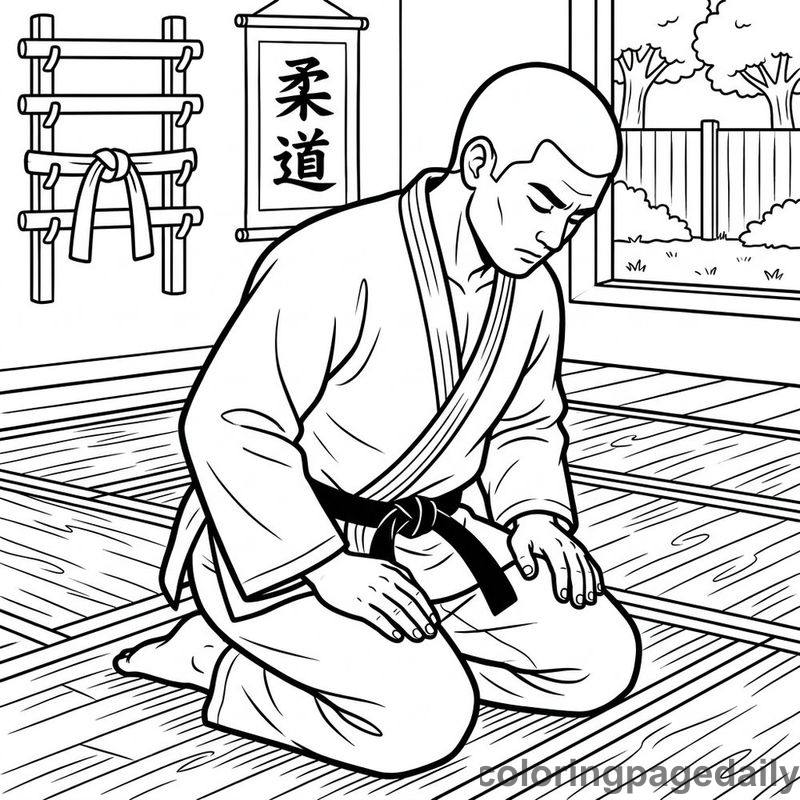
The word "Judo" translates to "the gentle way." Before a judo match even begins, athletes perform a traditional bow, known as rei. This bow is a vital part of martial arts etiquette, demonstrating profound respect for their opponent, their instructor, and the training space.
Next time your child reaches for their crayons, share one of these facts! Turning an ordinary coloring page into a lesson on physics, history, or cultural traditions is a surefire way to inspire the next generation of champions.
This article is part of Sports & Athletics Champions — browse all 17 coloring pages