As children bring our "Sports & Athletics Champions" coloring pages to life, they aren't just filling in outlines—they are exploring a world of physics, history, and global traditions! For parents and teachers, these coloring sessions are the perfect opportunity to share fascinating educational facts about how athletes achieve the seemingly impossible.
Let's dive into some incredible facts you can share with your young artists to make their coloring experience both fun and educational!
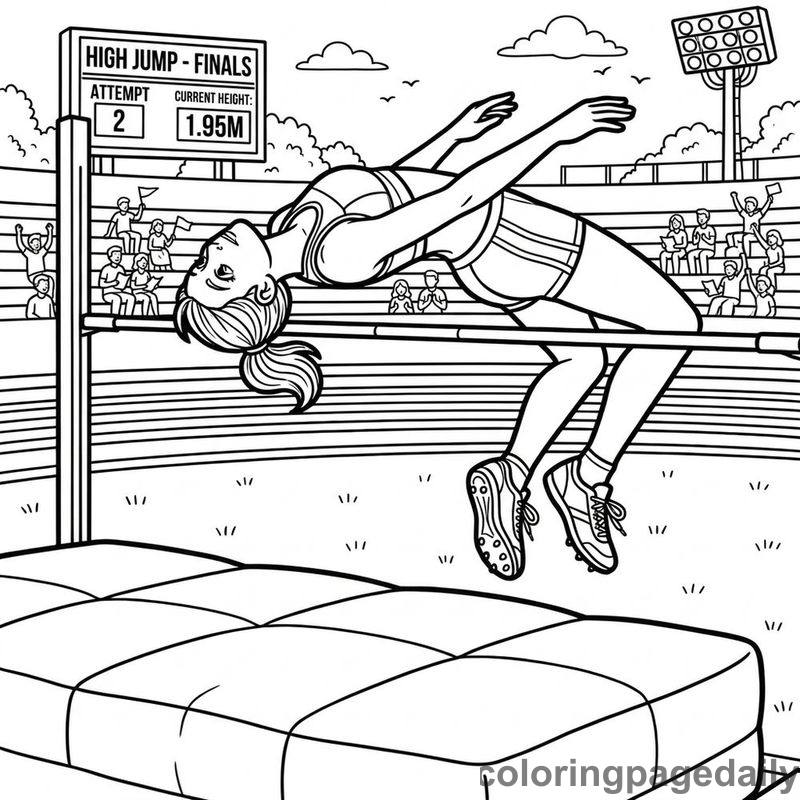
Did you know that high jumpers used to jump over the bar facing forward? That all changed at the 1968 Olympics when an athlete named Dick Fosbury invented a new technique called the "Fosbury Flop." By arching his back and going over the bar backward, he changed his center of gravity so that it actually passes under the bar while his body goes over it! This brilliant use of physics is now the standard technique used by high jumpers around the world.
While many modern sports have only been around for a century or two, the discus throw is truly ancient! It was one of the original events in the ancient Greek Olympics, dating all the way back to 708 BC as part of the pentathlon. The original discs were made of stone, iron, bronze, or lead. Today, they are made of a highly calibrated mix of plastic, wood, fiberglass, and a metal rim.
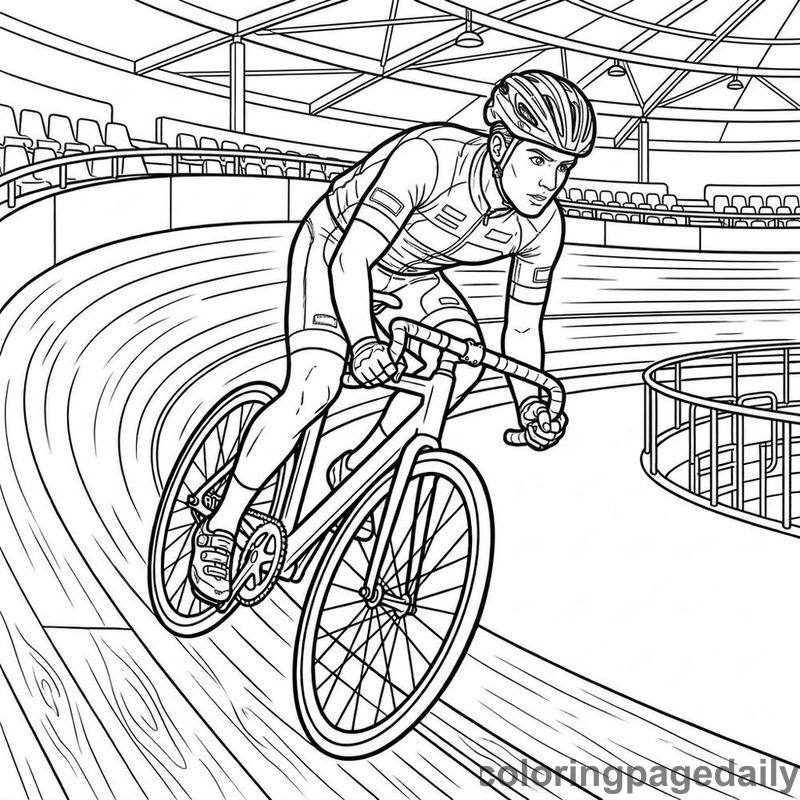
Track cycling takes place in a special indoor arena called a velodrome. If you look closely at the coloring page, you'll notice the track is steeply banked at the curves—sometimes tilting as much as 45 degrees! This steep angle helps cyclists maintain incredible speeds without slipping outward. Even more surprising? The aerodynamic bicycles used in velodrome races have a single fixed gear and absolutely no brakes! Cyclists must gradually slow down their pedaling to stop after crossing the finish line.
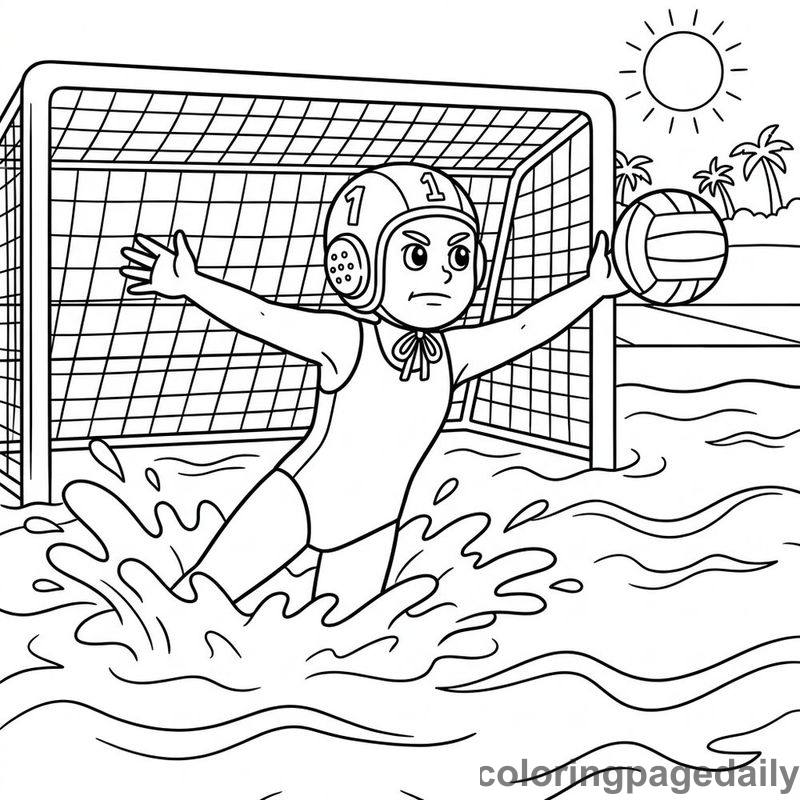
Water polo players are not allowed to touch the bottom of the pool during a match. So, how do they stay afloat so high out of the water to pass, shoot, and block? They use a specialized treading technique called the "eggbeater kick." By rotating their legs in opposite circular motions (just like the blades of a kitchen eggbeater), they create a continuous, powerful upward force. This allows them to rise out of the water while keeping their hands entirely free to handle the ball.
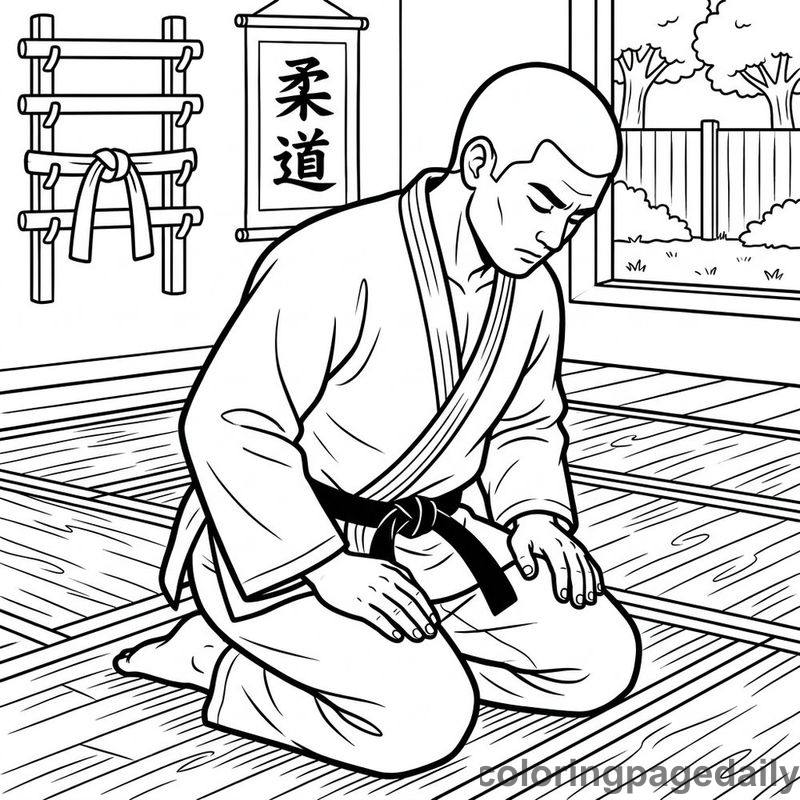
Martial arts aren't just about physical strength; they are deeply rooted in discipline and respect. The word Judo translates to "the gentle way" in Japanese. Before and after every practice or match, athletes perform a formal bow, known as rei. This bow shows deep respect to their opponent, their instructor, and the rich traditions of the sport itself.
Next time your child reaches for their crayons, share these fun facts with them. You might just inspire the next generation of scientists, historians, or Olympic champions!
This article is part of Sports & Athletics Champions — browse all 18 coloring pages