Welcome to the latest update for our Playful Prehistoric Pals collection! In this update digest, our friendly dinosaurs are working up an appetite. We've added a delightful batch of coloring pages focused on prehistoric picnics, foraging, and snacking.
These new scenes offer a wonderful opportunity for parents and teachers to discuss dinosaur diets with children while engaging in creative play. Let’s dive into our new pages and explore some tips for bringing these ancient feasts to life!
Some dinosaurs were perfectly adapted to reach the highest branches for their meals. Our latest additions feature two very different dinosaurs doing just that.
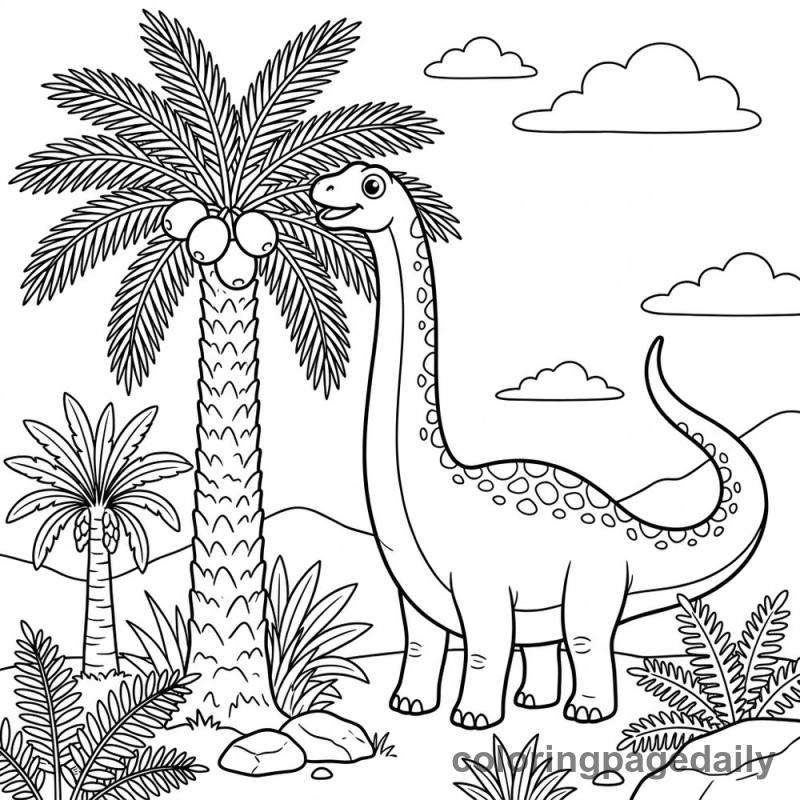
The Diplodocus is famous for its incredibly long neck, which allowed it to graze on vegetation that other dinosaurs couldn't reach. When coloring this cycad tree, encourage kids to use contrasting colors. Brightly colored fruits—think vivid oranges, purples, or reds—will pop beautifully against the deep, rich greens of the prehistoric leaves.
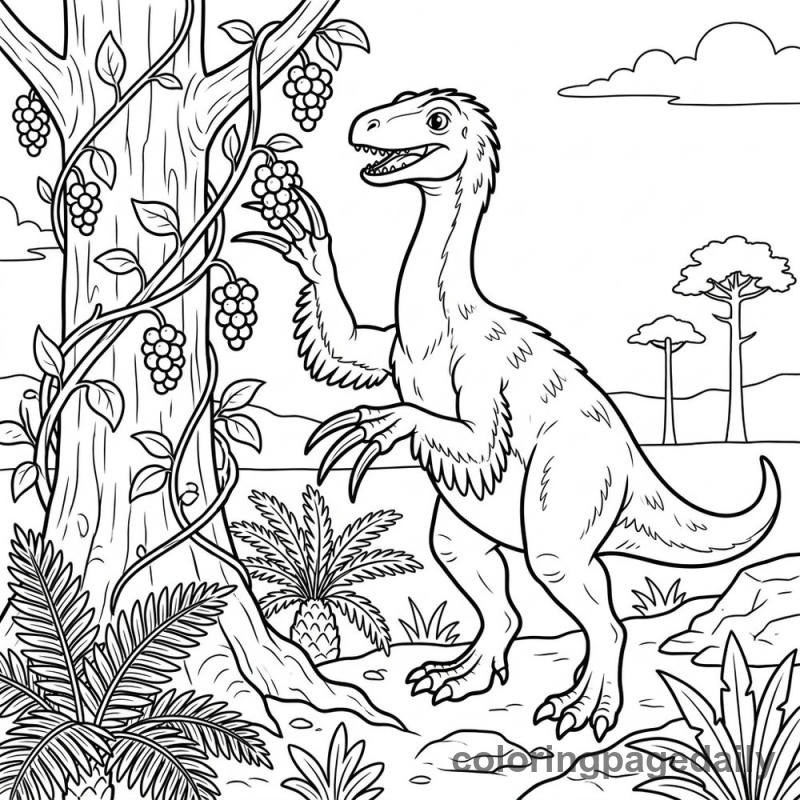
While the Therizinosaurus looks intimidating with its giant claws, paleontologists believe this unique dinosaur was primarily an herbivore. It most likely used those massive claws to hook and pull down leafy branches to eat!
Coloring Tip: For the berry vines, try teaching your little artists the "stippling" technique. Have them make small, repeated dots with their markers or crayons to give the berries a clustered, textured look rather than coloring them in with solid strokes.
Not all dinosaurs needed to reach the treetops. Many armored and plated dinosaurs preferred ground-level greens and tough prehistoric vegetables.
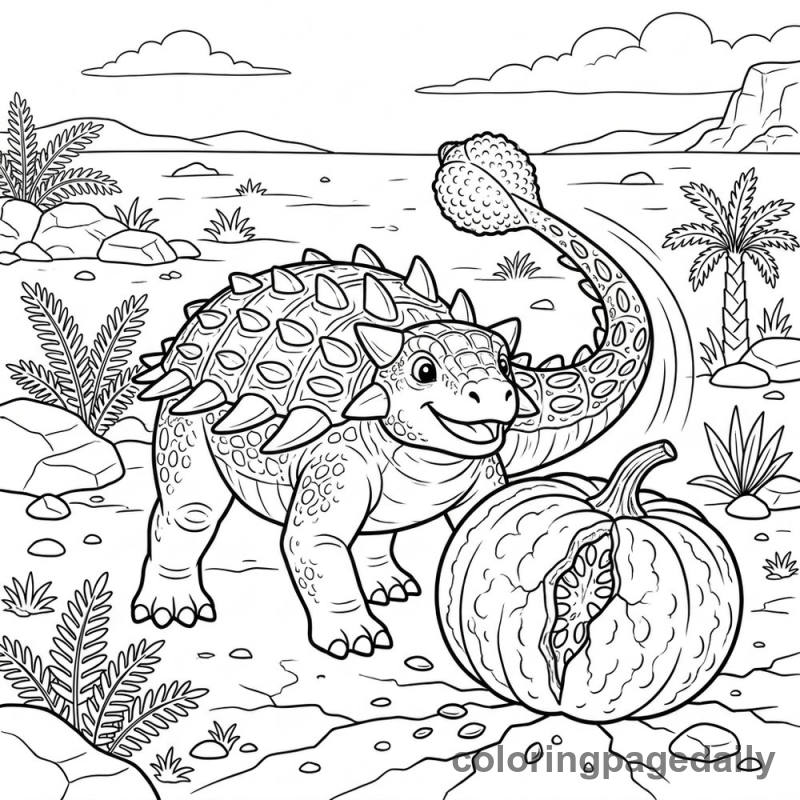
The Ankylosaurus is well known for the heavy, bony club at the end of its tail, which it used to defend itself against predators. In this playful scene, our Ankylosaurus has found a creative, peaceful use for its tail! To make the desert background look hot and sandy, try layering light yellows, pale oranges, and soft browns, leaving the bright, vibrant colors for the cracked gourd.
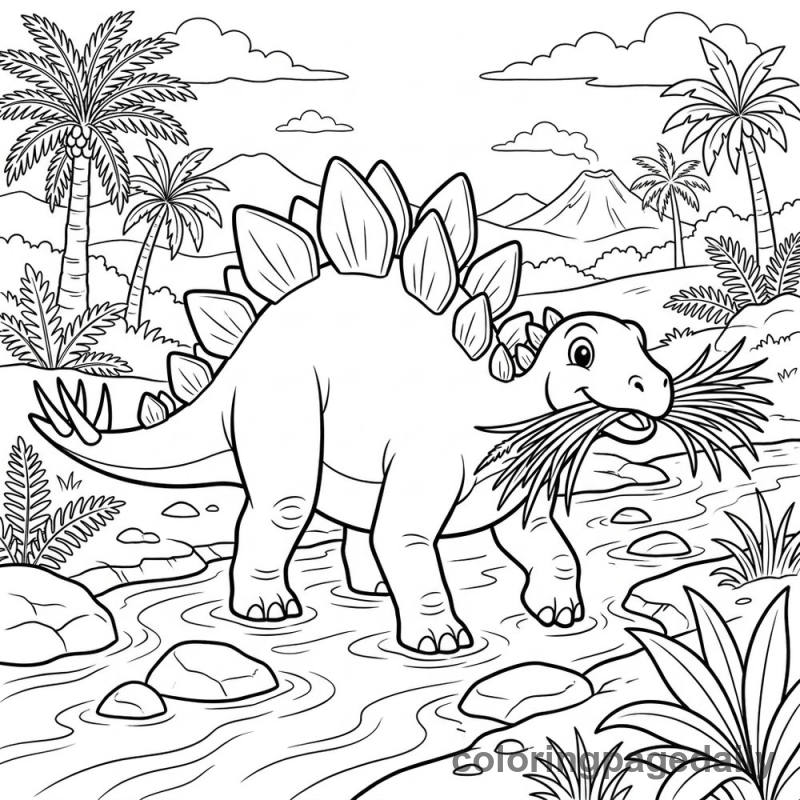
Finally, we have a sweet Stegosaurus gathering a big bundle of tall grass for a snack. Water scenes are incredibly fun to color and offer a chance to practice blending.
Coloring Tip: To make the rocky stream look like it's flowing, use two or three different shades of blue. Add a few white colored pencil streaks over the top of the blue base to represent moving water and gentle splashes around the Stegosaurus's feet.
We hope you and your young artists enjoy this delicious update to the Playful Prehistoric Pals collection. Grab your crayons, and happy coloring!
This article is part of Playful Prehistoric Pals — browse all 24 coloring pages