Welcome to the latest update in our Community Helpers & Professions collection! This month, we are celebrating the incredible artisans, tradespeople, and makers who build, craft, and fix the things we use every day. To help your little artists bring these new pages to life, we've put together a digest of our newest additions alongside some creative coloring tips focused on capturing different materials and textures.
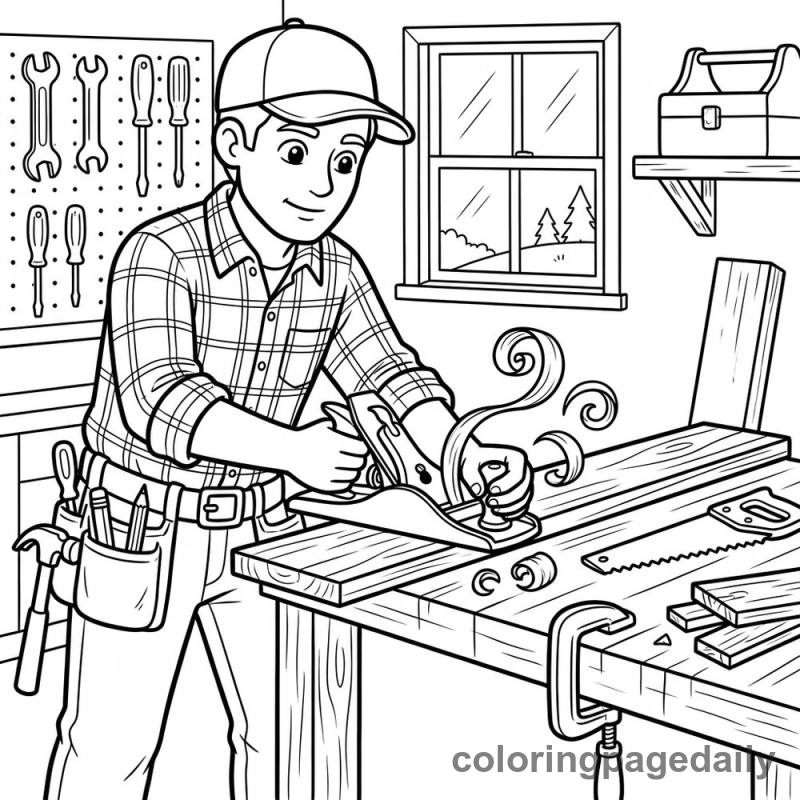
Carpentry is all about transforming raw wood into beautiful, functional pieces. When coloring our carpenter page, encourage children to experiment with wood textures. Instead of using just one brown crayon, try layering a light tan base with darker brown streaks. Kids can draw wavy lines and small ovals to mimic natural wood grain and knots. This is a fantastic fine-motor exercise that adds a realistic touch to the wooden planks and curly wood shavings on the workbench!
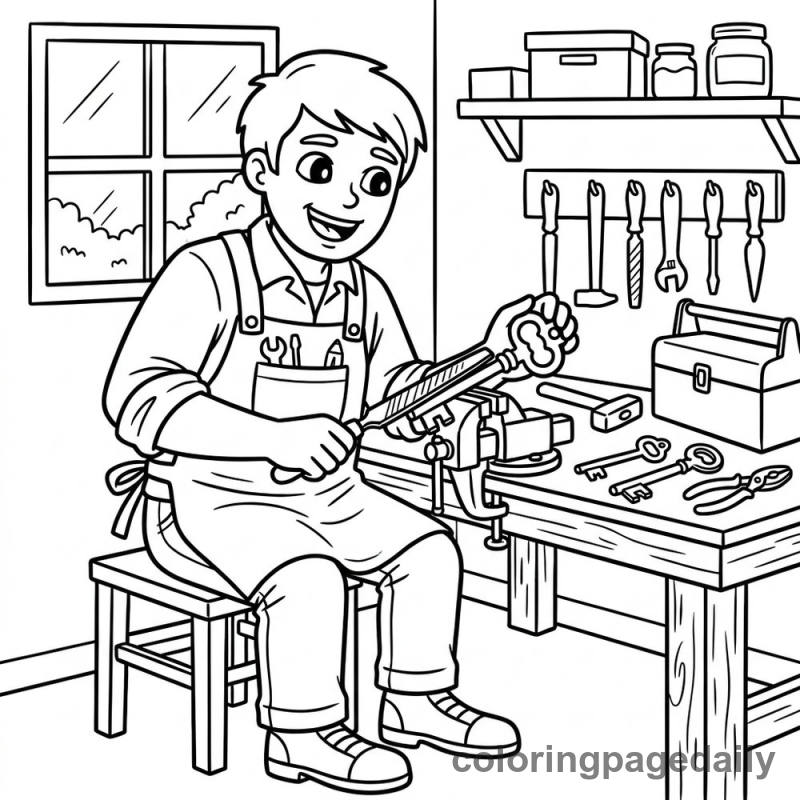
Locksmiths work with intricate metal mechanisms and keys. Coloring metal can be tricky, but it's a fun technique for older kids to learn! To give the antique skeleton key a metallic gleam, advise your young artists to use a mix of silver, gray, and gold colored pencils. The secret to a shiny surface is leaving a thin strip of the paper completely white to represent a light reflection. Smudging the edges of the gray or gold lightly with a tissue can also create a smooth, polished metal look.

Pottery requires getting your hands dirty with beautiful, earthy clay. For the ceramic artist page, dive into the warm side of the color wheel. Use terracotta, rust, ochre, and deep browns. Because the potter's wheel spins fast to shape the clay, kids can try coloring in circular, sweeping motions around the pitcher to give the illusion of movement and rounded volume.
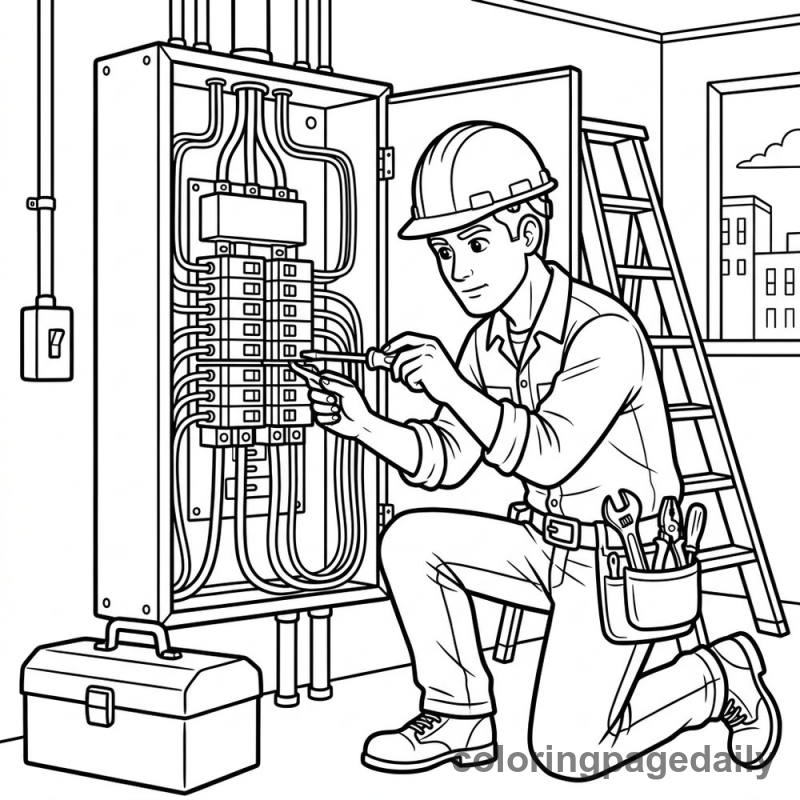
Electricians rely heavily on color-coding to stay safe and organize complex circuits. This page is the perfect opportunity to break out the brightest markers or crayons in the box! While the metal electrical panel might be a neutral gray, the thick wires inside should be vibrant—think neon greens, bright reds, electric blues, and vivid yellows. You can use this as a learning moment to explain that tradespeople use these specific colors as a universal language to know exactly what each wire does.
Finally, for a delicious creative session, our new chocolatier page is a treat. To make the melted chocolate look rich and glossy, press down harder with a dark brown crayon in the shadowed areas, and use a lighter pressure on top where the light hits.
These new additions to our Community Helpers collection are ready to be downloaded and printed. Grab your favorite art supplies and start exploring the fascinating world of trades and crafts today!
This article is part of Community Helpers & Professions — browse all 20 coloring pages