Have you ever looked at a massive machine with your child and wondered, "How does that work?" The Awesome Vehicles & Machines Vol. 2 collection offers the perfect opportunity to combine coloring fun with STEM learning. By sharing real-world engineering and historical facts while your kids color, you can spark a lifelong curiosity about how the world operates.
Here are some fascinating educational facts about a few standout vehicles in our new collection!
How does food get onto a massive passenger airplane? It doesn't go up the stairs! Instead, airports use specialized catering trucks.
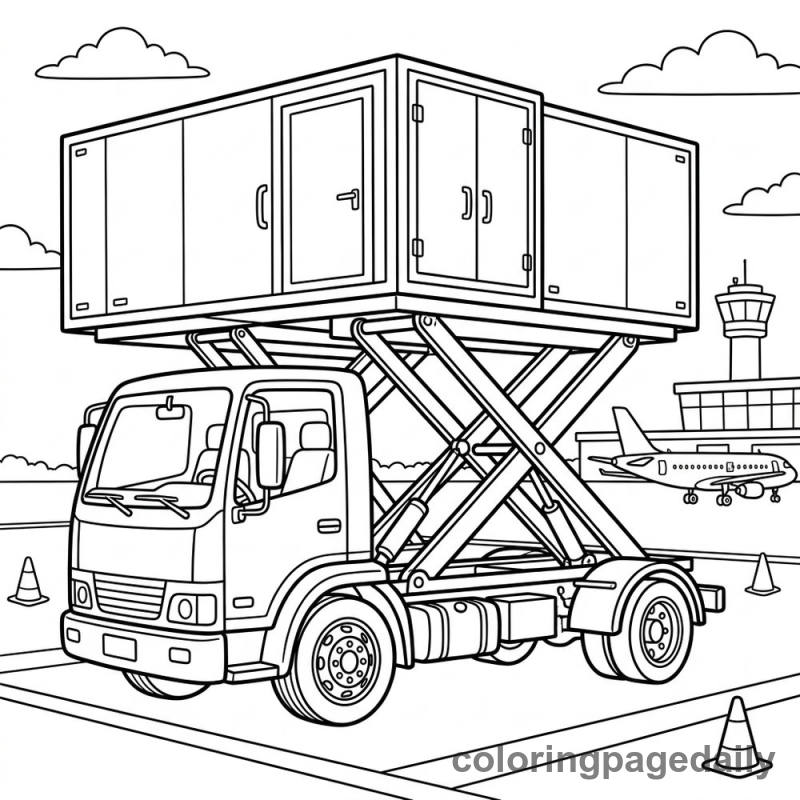
These incredible machines use a "scissor lift" mechanism powered by hydraulics. Hydraulics work by pushing liquid through confined pipes and cylinders, creating a massive amount of pressure that can easily lift thousands of pounds of meals high into the sky.
This same technology is used in construction. Take the heavy concrete pump truck, for example.
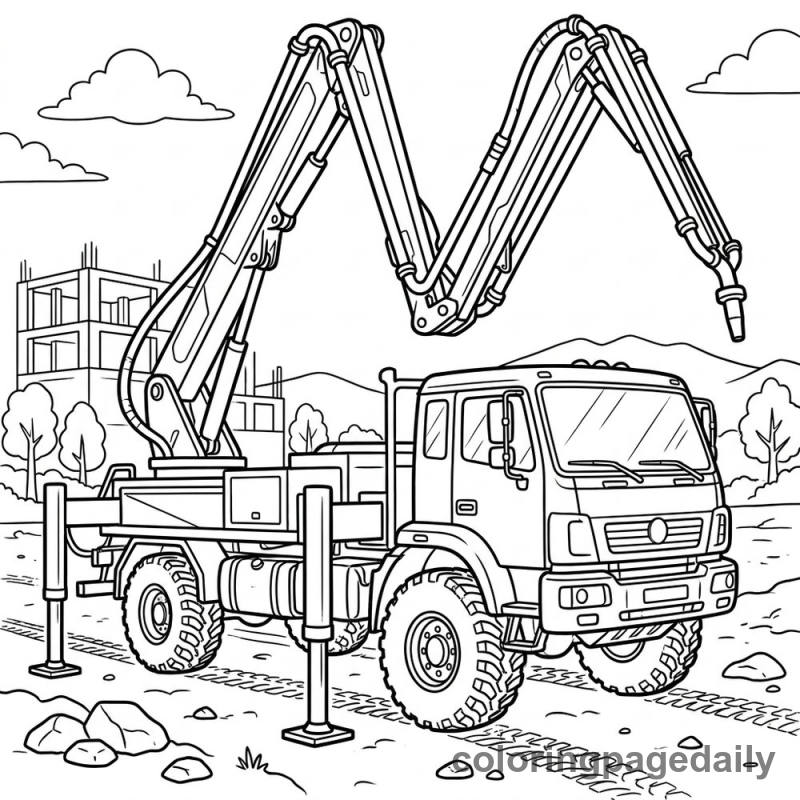
Instead of carrying buckets of heavy cement up ladders, construction workers use these incredible trucks. The truck features a long, folding robotic arm called a "boom." Using hydraulic pressure, the boom unfolds and pumps liquid concrete all the way to the top floors of skyscrapers!
While modern delivery trucks are large and run on diesel or gas, deliveries used to look very different.
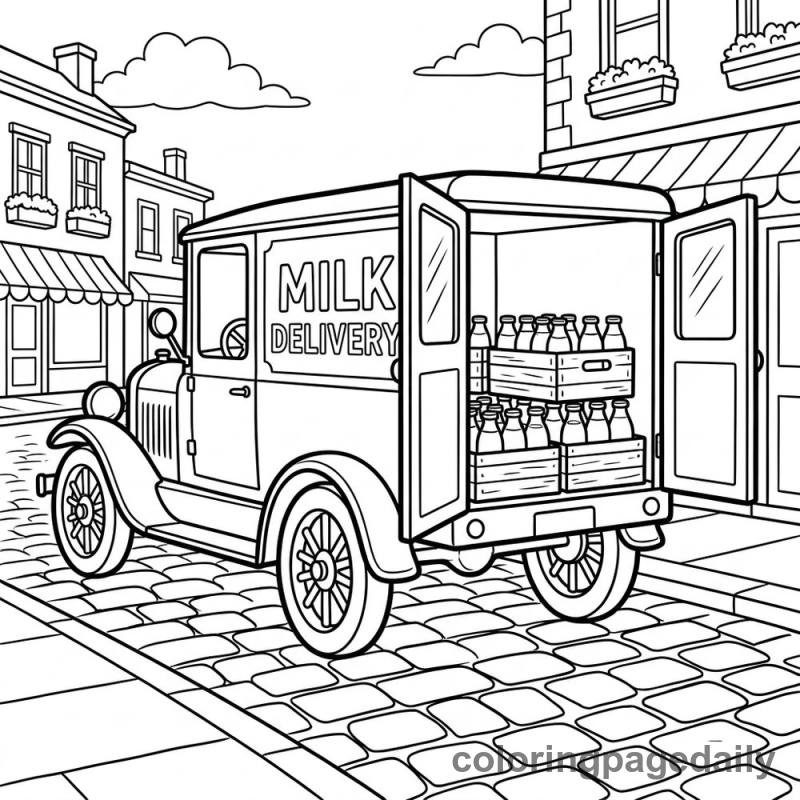
Decades ago, before most homes had modern refrigerators, milk was delivered daily in glass bottles. Here is a surprising fact to share with your kids: many of those early vintage milk delivery trucks (often called "milk floats" in the UK) were actually electric vehicles! Because milk was delivered very early in the morning, the quiet electric motors ensured that the milkman wouldn’t wake up the whole neighborhood.
Vehicles don't just exist on Earth; we've sent them to space, too!
When scientists designed rovers to drive on the Moon, they faced a big problem: rubber tires wouldn't work. The Moon has no atmosphere, meaning temperatures can reach over 250°F (120°C) in the sun and drop to -208°F (-130°C) in the dark. Regular rubber would either melt or freeze and shatter! To solve this, engineers created special tires made from woven strands of zinc-coated steel "piano wire" and titanium. This allowed the rovers to easily grip the powdery lunar dust without breaking in the extreme space weather.
As your children color these pages, share these facts with them. You might just be coloring with a future engineer, historian, or astronaut!
This article is part of Awesome Vehicles & Machines Vol. 2 — browse all 19 coloring pages