As parents and educators, we know that children are naturally drawn to things that move. From roaring engines to massive tires, the world of transportation is captivating. Coloring these mechanical marvels provides a fantastic opportunity to sneak in some STEM and history lessons!
Here are five fascinating, educational facts about the vehicles in our Awesome Vehicles & Machines Vol. 2 collection that you can share with your kids while they bring these pages to life.
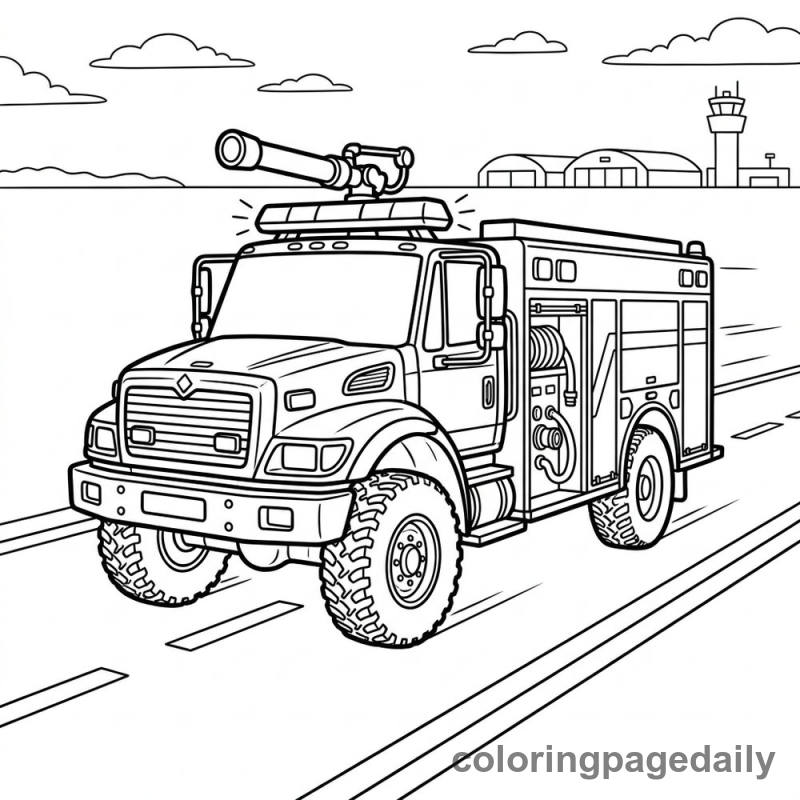
Airport fire rescue trucks—officially known as Aircraft Rescue and Firefighting (ARFF) vehicles—are absolute powerhouses. Despite weighing up to 80,000 pounds, they have incredible acceleration to reach emergencies on the runway in under three minutes. Even more impressive, they feature a "pump and roll" capability. Unlike standard city fire engines that usually need to park to pump water, an ARFF can drive at high speeds while simultaneously shooting thousands of gallons of water or foam from its roof turrets!
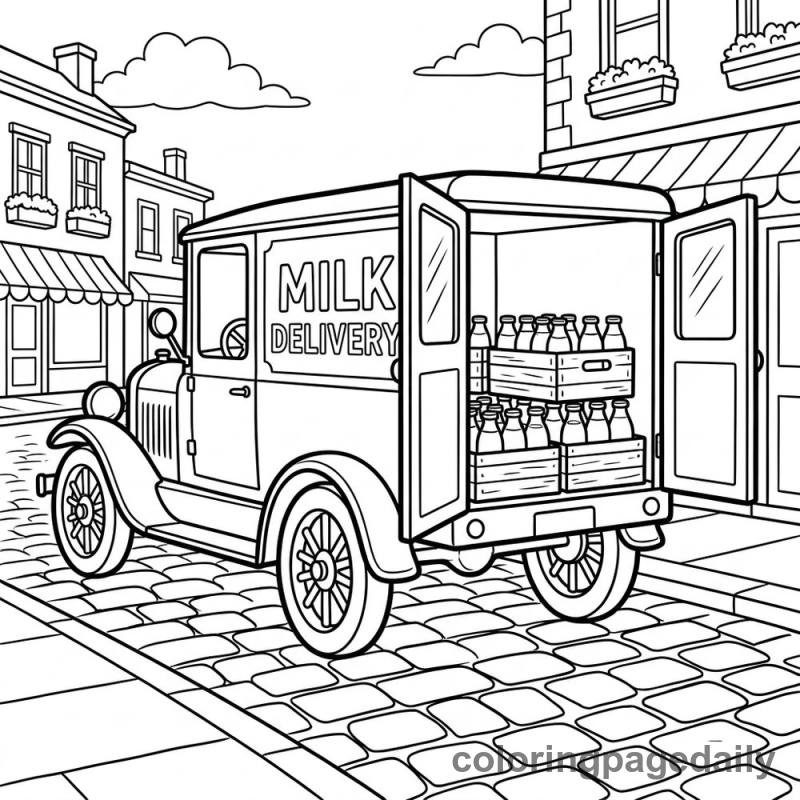
While modern delivery trucks run on gasoline or diesel, many vintage milk delivery vehicles (often called "milk floats" in the UK) were actually early electric vehicles! Because milk was delivered in glass bottles during the very early hours of the morning, companies wanted a quiet engine that wouldn't wake up sleeping neighborhoods. Battery-electric motors provided the perfect, silent solution.
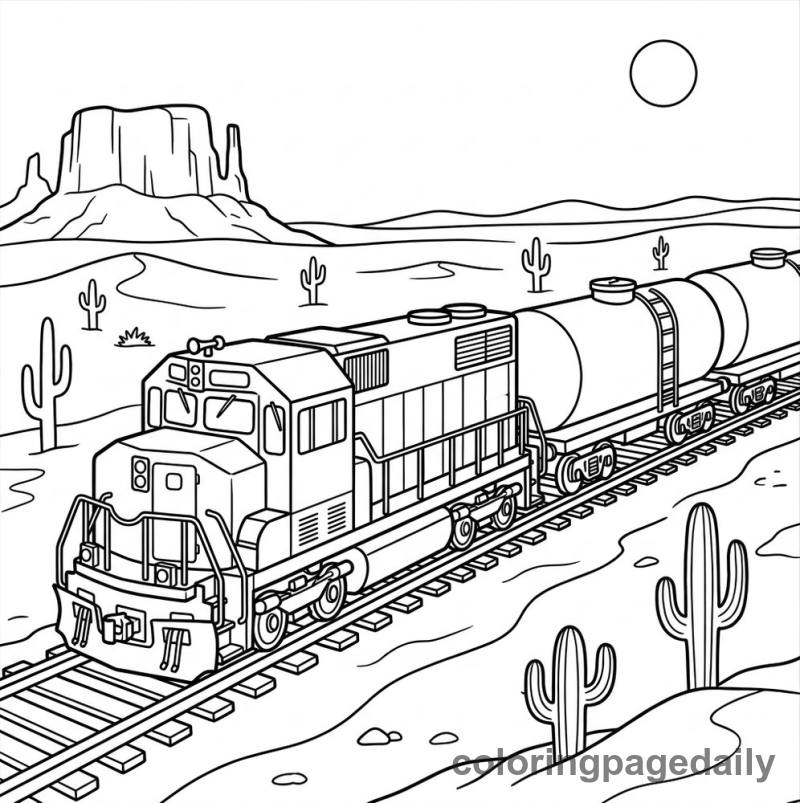
When your child is coloring a long line of freight train tanker cars, you can blow their mind with this physics fact: most modern diesel locomotives don't use their diesel engines to turn the wheels directly. Instead, the massive diesel engine acts as an onboard power plant. It spins a giant generator that creates electricity, which is then sent to electric traction motors located on the axles. This "diesel-electric" system provides the immense torque needed to pull thousands of tons of heavy cargo.
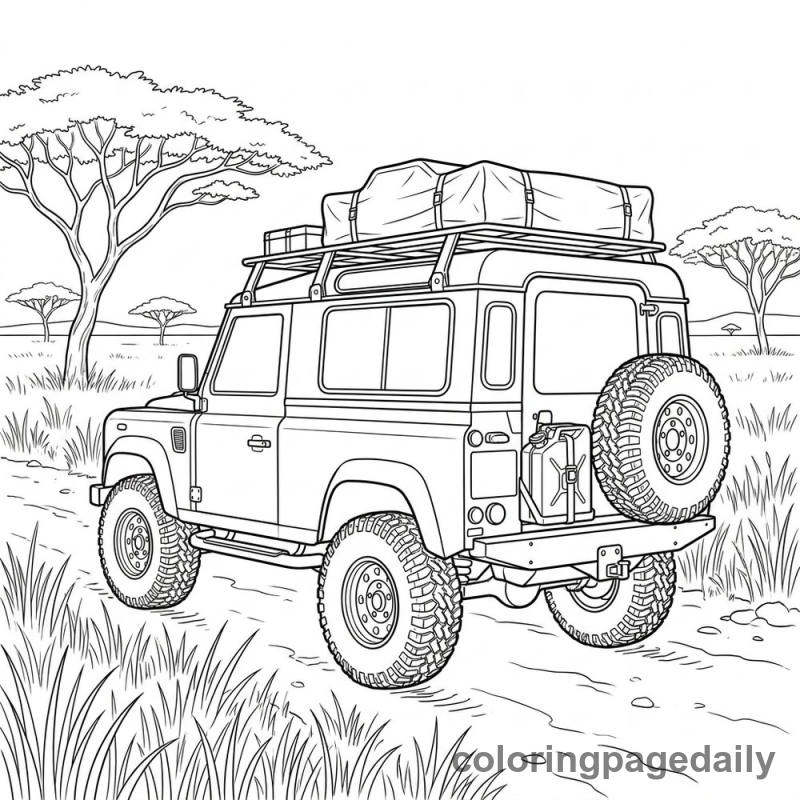
If you look closely at off-road safari trucks, you might notice a pipe running up the side of the windshield. This is called a vehicle snorkel. While it does allow the engine to "breathe" when crossing deep rivers without sucking water into the motor, it has another vital purpose on the savannah. By raising the air intake above the vehicle, the engine pulls in cooler, cleaner air, avoiding the thick clouds of dust kicked up by the tires on dry dirt trails.
Taking vehicles to the extreme means redesigning the wheel! The original Apollo lunar rovers couldn't use standard rubber tires because the extreme temperature swings in space (from boiling hot to freezing cold) would destroy them. Instead, engineers built the rover wheels out of a woven mesh of zinc-coated piano wire with titanium treads. This allowed the wheels to flex over moon rocks like rubber, without degrading in the vacuum of space.
Next time your little ones sit down with their crayons, use these fun facts to spark their curiosity about engineering, history, and the amazing science of how things go!
This article is part of Awesome Vehicles & Machines Vol. 2 — browse all 19 coloring pages