Coloring is more than just a creative outlet for children; it is a fantastic gateway for learning about the natural world. While our latest collection features woodland and exotic creatures enjoying delightful human pastimes, it is also the perfect opportunity to slip some incredible science and biology lessons into your child's coloring time.
Let's explore some amazing, real-world educational facts about the stars of our Animals with Hobbies collection!
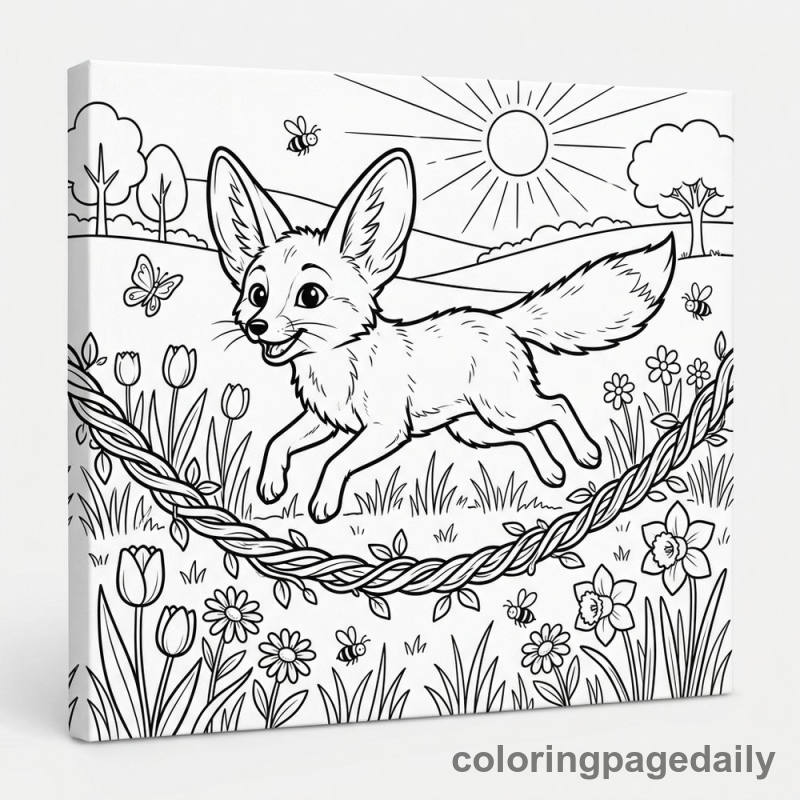
While our fennec fox is busy getting some exercise by jumping rope, real fennec foxes are built for the harsh, sandy environment of the Sahara Desert. The most recognizable feature of the fennec fox is its enormous ears, which can grow up to six inches long! But these ears aren't just for listening to prey scurrying underground. They act like built-in air conditioners. The large surface area and numerous blood vessels help dissipate body heat, keeping the fox cool in the scorching desert sun.

Our culinary capybara might be an expert at rolling out pizza dough, but in the wild, these animals are experts of the water. Capybaras hold the title of the largest living rodents on Earth! Native to South America, they are highly social, semi-aquatic mammals. They have partially webbed feet, making them incredibly strong swimmers. They can hold their breath underwater for up to five minutes to hide from predators, and they even sleep in the water with just their noses resting above the surface.

This musically inclined koala looks quite sophisticated playing the violin. In reality, koalas share a surprising trait with the humans who play such instruments: fingerprints! Koalas are one of the few mammals outside of primates that have unique fingerprints. In fact, a koala's fingerprint is so similar to a human's that it is incredibly difficult to tell them apart, even under a powerful microscope. Additionally, while often called "koala bears," they aren't bears at all—they are marsupials, meaning they carry their young in a pouch.
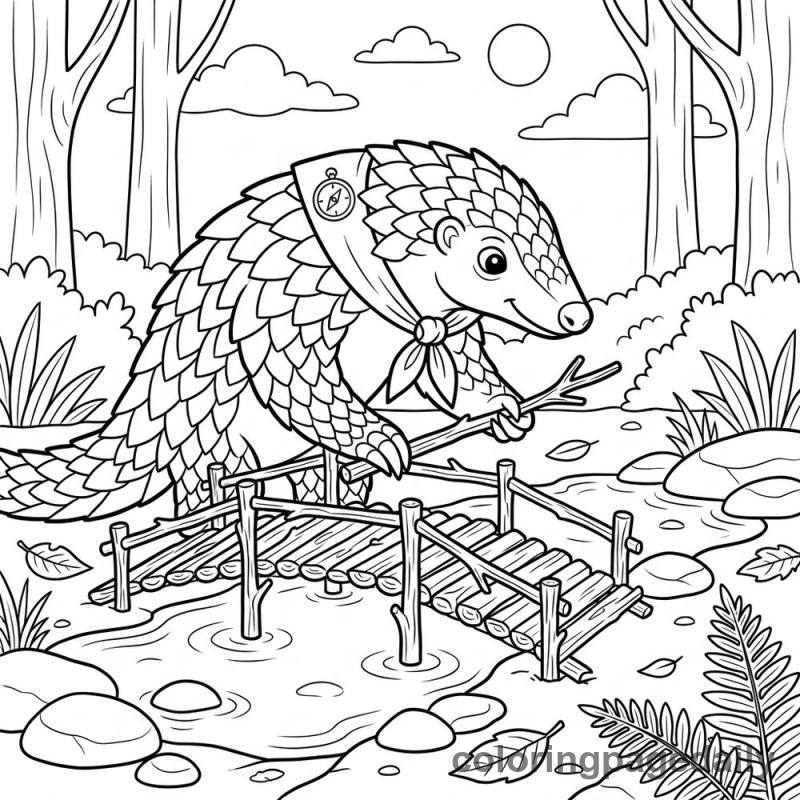
Our scout pangolin is using teamwork and engineering to build a twig bridge, but the real marvel of the pangolin is its armor. Pangolins are the only known mammals in the world that are entirely covered in scales. These overlapping scales act like a suit of armor against predators. Surprisingly, these tough scales are made of keratin—the exact same protein that makes up human hair and fingernails! When threatened, a pangolin will roll up into a tight, nearly impenetrable ball to protect its soft underbelly.
Next time your students or children sit down with their crayons, share these fun facts! Bridging the gap between whimsical art and real-world science is a wonderful way to foster a lifelong love for wildlife.
This article is part of Animals with Hobbies Vol. 2 — browse all 21 coloring pages