Coloring is not just a wonderful way to build fine motor skills and unleash creativity—it is also the perfect opportunity to spark curiosity about the natural world! In our Animals with Hobbies Vol. 2 collection, we feature delightful scenes of furry and scaly friends enjoying their favorite pastimes. As your little artists bring these pages to life, share these fascinating facts about the real-life animals behind the art.
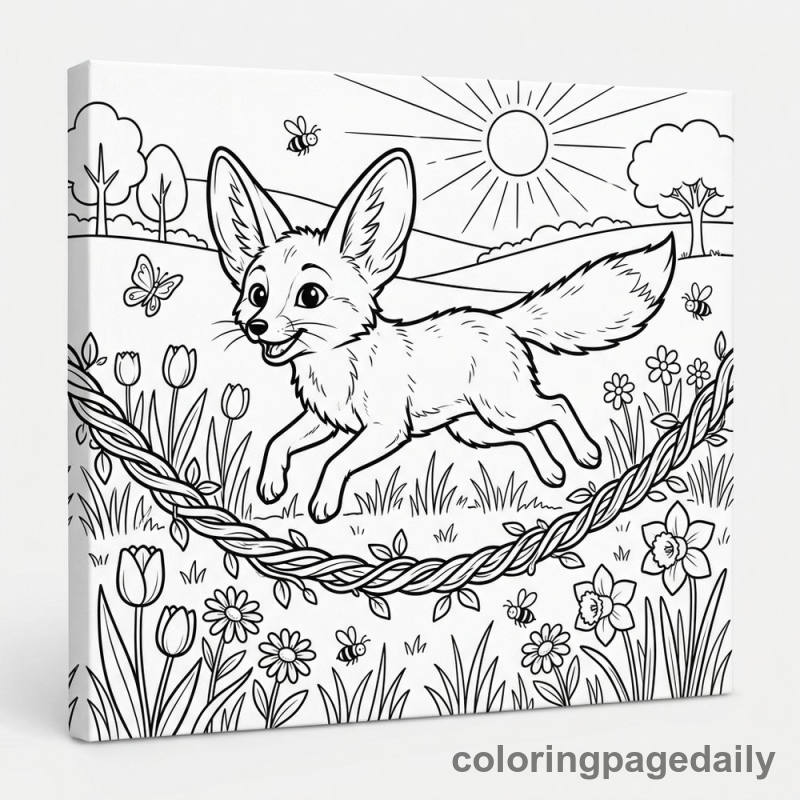
While our fennec fox is busy jumping rope in a spring meadow, real fennec foxes are native to the scorching Sahara Desert. Have you noticed their exceptionally large ears? Those 6-inch ears aren't just for show! They act like built-in air conditioners, radiating body heat to help the fox stay cool in the hot desert sand. Furthermore, their hearing is so sensitive they can hear insects and small prey crawling deep underground.
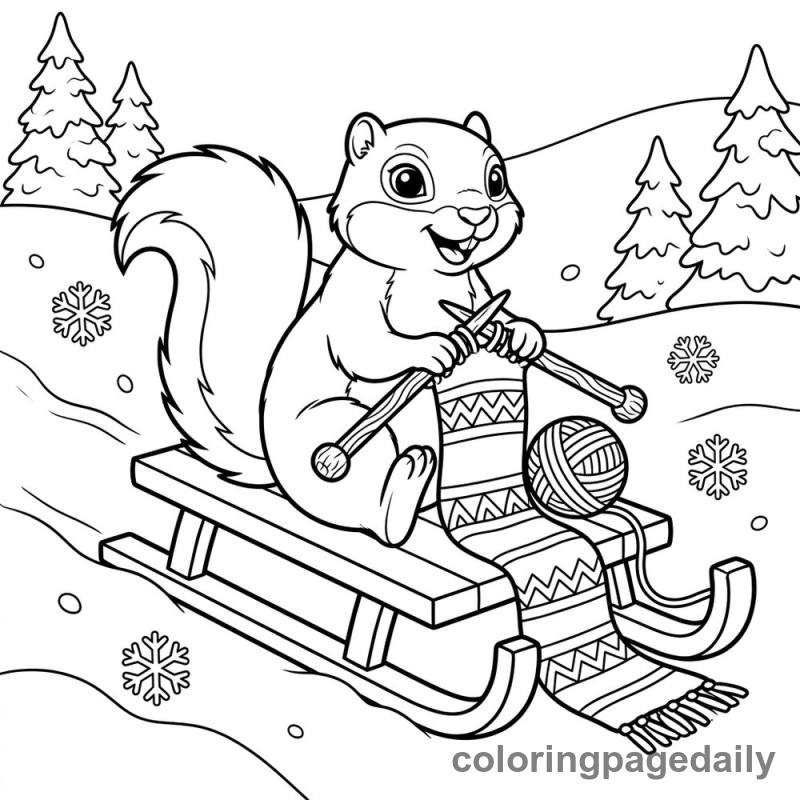
It makes sense that our Arctic ground squirrel is knitting a cozy winter scarf! These incredible little survivors hold a world record for the lowest recorded body temperature of any mammal. During their long winter hibernation, their core body temperature can plummet to a freezing -2.9°C (26.8°F). They are able to "supercool" their bodies, meaning their bodily fluids drop below freezing without actually turning into ice.
Our pangolin loves rolling a giant ball of yarn, which is a clever nod to its most famous defense mechanism. When threatened in the wild, a pangolin rolls itself up into a tight, nearly impenetrable ball! They are the only mammals in the world entirely covered in tough, overlapping scales. These scales are made of keratin—the exact same protein that makes up human hair and fingernails.

This capybara might be rolling out pizza dough, but in reality, they prefer rolling around in the water. Capybaras are the largest living rodents on Earth, closely related to guinea pigs. They are semi-aquatic animals with webbed feet, making them excellent swimmers. In fact, they can hold their breath underwater for up to five minutes to hide from predators!
Next time your child reaches for their crayons or colored pencils, use these fun facts to turn their coloring session into a mini biology lesson. Happy coloring and learning!
This article is part of Animals with Hobbies Vol. 2 — browse all 21 coloring pages