Welcome back to our "Taste of the World: Traditional Foods" collection! We’ve just added a brand-new batch of mouth-watering illustrations to our library, bringing even more international flavor to your child's coloring adventures. Coloring food is a fantastic way to spark conversations about world cultures, geography, and family traditions.
However, making these dishes look truly appetizing on paper takes a few special techniques. Here is your latest update digest, featuring our newest culinary arrivals and expert tips for coloring different food textures!
Let's start with the crunch! Our new Mexican Tostadas and Japanese Tempura Shrimp pages are perfect for practicing crispy, fried textures.
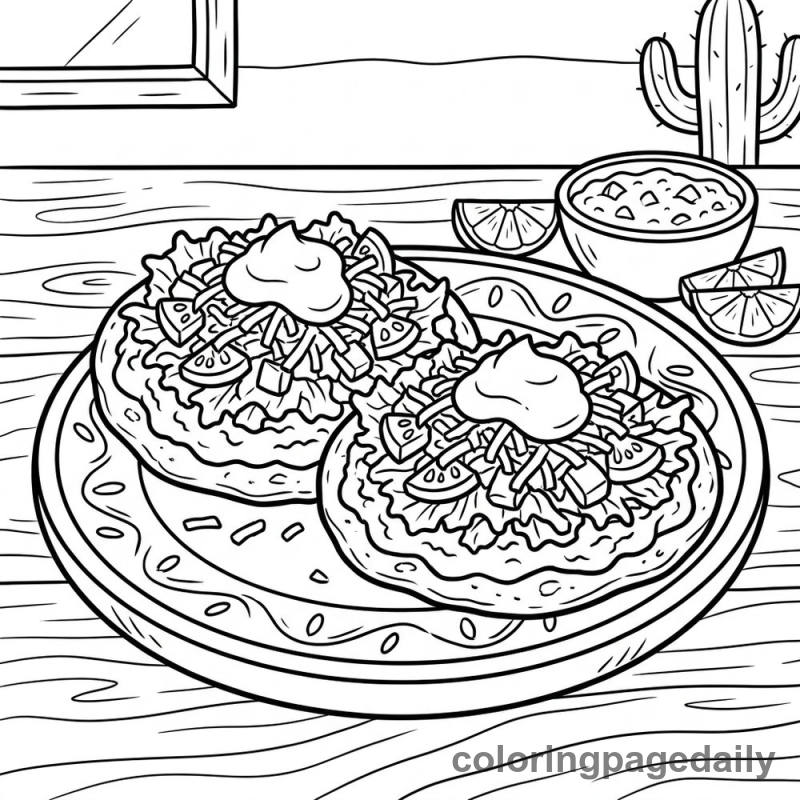
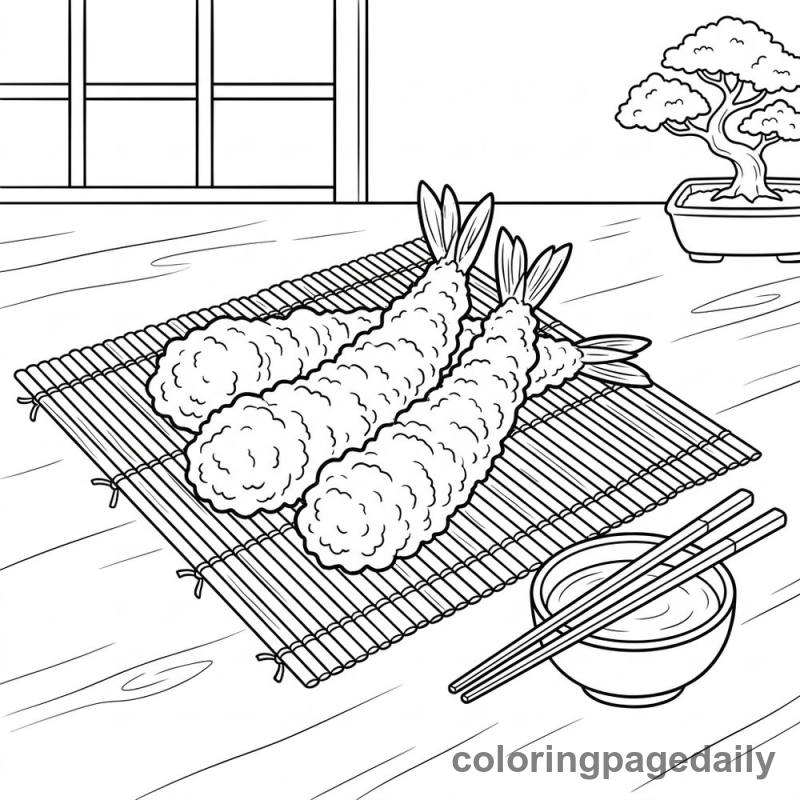
Coloring Tip: To create a realistic fried or crispy look, avoid using a single, flat brown crayon. Instead, start with a soft base layer of golden yellow. Next, lightly layer orange in the shadow areas to give the food a warm, freshly-cooked glow. Finally, use a sharp brown pencil or marker to add tiny dots—a technique called "stippling"—to represent the crunchy outer coating, toasted edges, and air bubbles in the tempura batter or toasted tortilla.
Next up, we have rich, comforting dishes like the Turkish Pide and Venezuelan Cachapas. These dishes rely heavily on the appearance of soft doughs and melted cheeses.
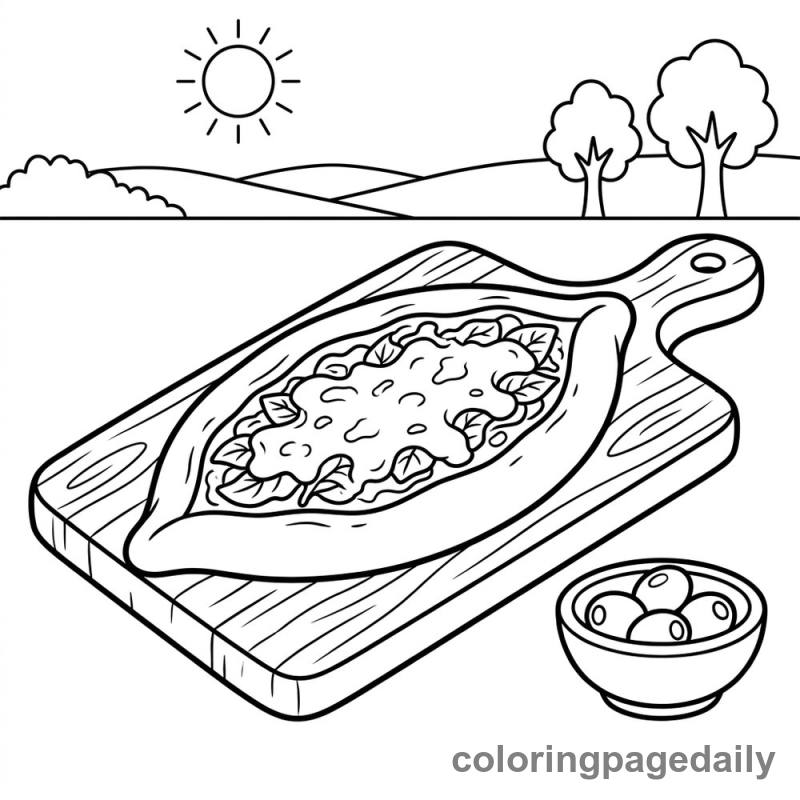
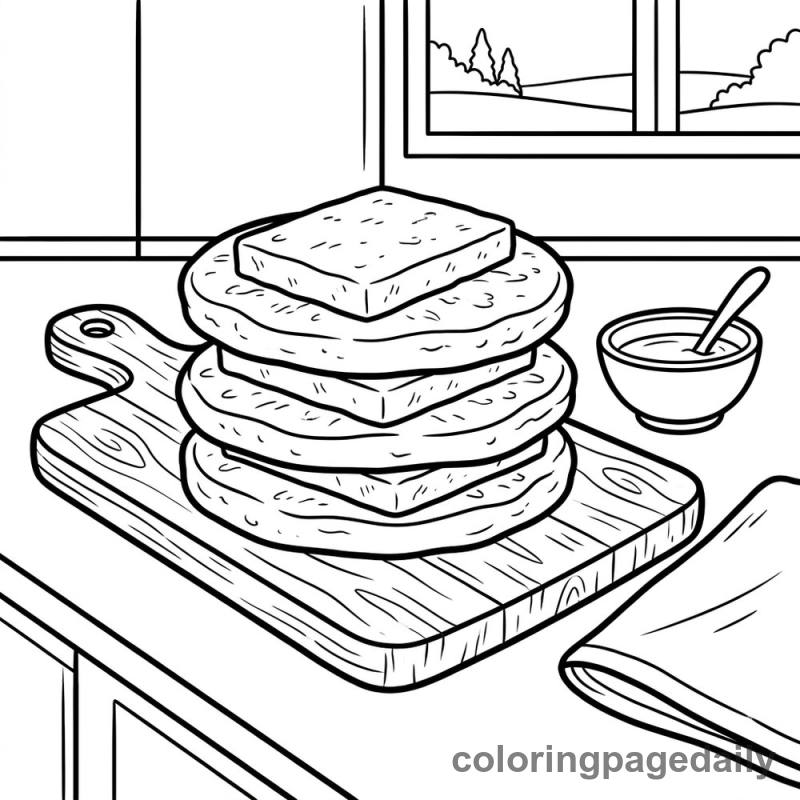
Coloring Tip: When coloring the thick, squeaky cheese slices on the cachapas or the gooey melted cheese inside the pide, encourage your little artists to leave small, curved areas completely white. These "highlights" make the cheese look glossy and fresh.
For the cachapas' base, which is made from ground sweet corn, have children use small circular coloring motions with bright yellow and light brown crayons. This mimics the slightly coarse, griddled texture of the traditional Venezuelan pancake.
No cultural feast is complete without dessert! Our new Argentine Alfajores page brings a wonderful touch of sweetness to the collection.
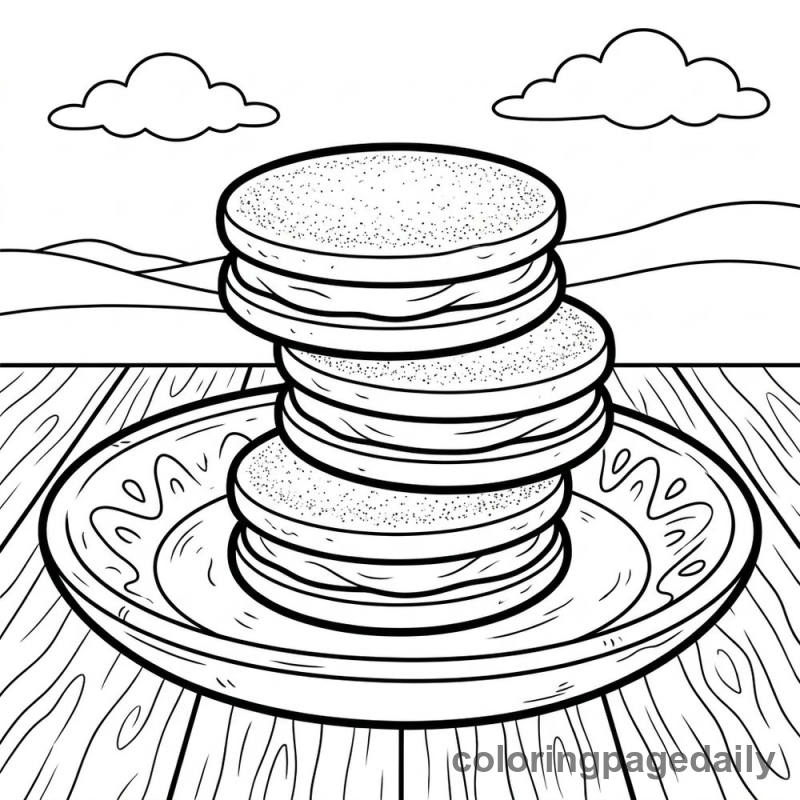
Coloring Tip: Alfajores are traditionally filled with rich dulce de leche (a sweet caramelized milk) and are often rolled in coconut or dusted with powdered sugar. To make that caramel filling pop off the page, use a rich, dark amber or sienna brown.
If your young artists want to add a "powdered sugar" effect to the top cookie, they can lightly tap a white gel pen or white chalk pastel over the finished colored cookie. Alternatively, using a very light touch with cream and pale yellow crayons will keep the shortbread cookies looking soft, buttery, and crumbly.
Head over to the "Taste of the World" gallery to download these new pages today. Grab your favorite art supplies, mix those warm colors, and build an appetite for global cultures!
This article is part of Taste of the World: Traditional Foods — browse all 23 coloring pages