Are your little artists ready to serve up a feast of colors? Our "Taste of the World" collection isn't just a mouthwatering tour of global cuisine—it’s also a fantastic opportunity for children to practice new artistic techniques! Food illustration relies heavily on capturing the right texture, shading, and contrast to make the dishes look truly appetizing.
Whether you are a parent looking for a weekend craft or a teacher incorporating art into a cultural lesson, here are some helpful coloring tips to guide kids through their culinary masterpieces.
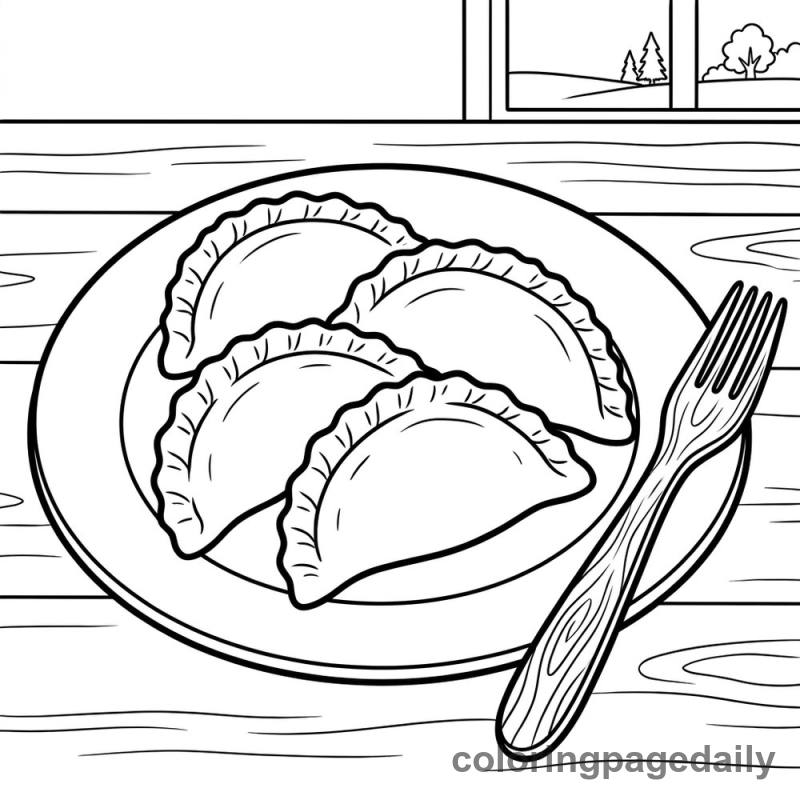
When coloring dough-based foods like traditional Polish pierogi, it is tempting for young artists to leave them completely white. However, real dough has depth! Teach children to use soft creams, pale yellows, and light beige crayons to give the dumplings a soft, boiled texture. They can add a touch of light brown along the crimped edges to show where the dough might be slightly thicker or pan-fried in butter. This introduces the concept of subtle shading without needing dark, heavy lines.
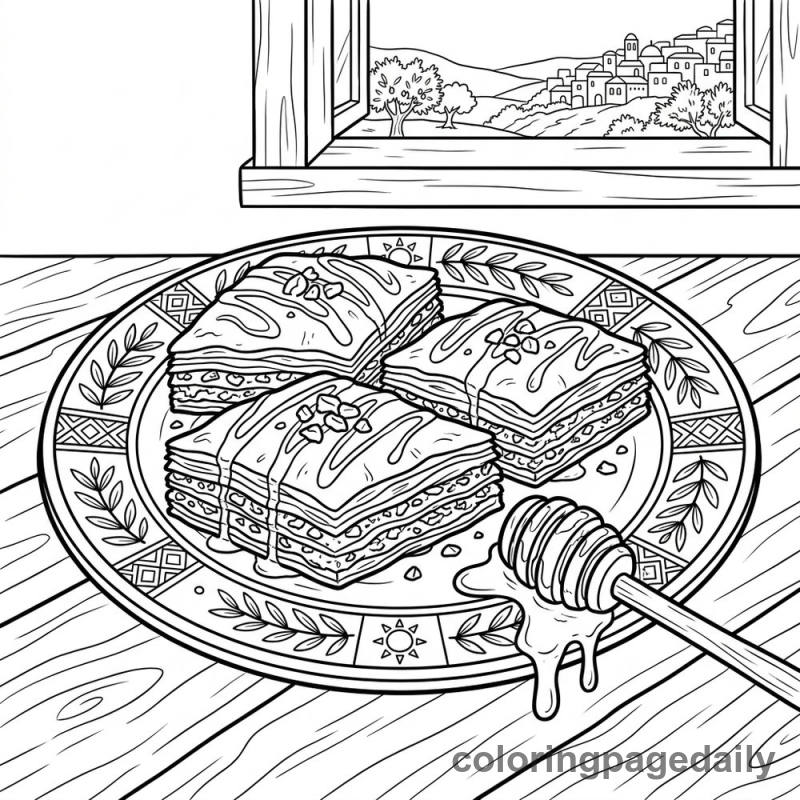
Baklava is famous for its flaky phyllo dough and sticky, sweet honey or syrup glaze. To create a "shiny" look on paper, kids can practice the highlight technique. Have them press firmly with rich amber, orange, and golden-yellow colored pencils, but leave small, intentional white spaces or streaks near the center of the pastry. This white space tricks the eye into seeing a glossy reflection, making the honey look perfectly sticky and sweet!
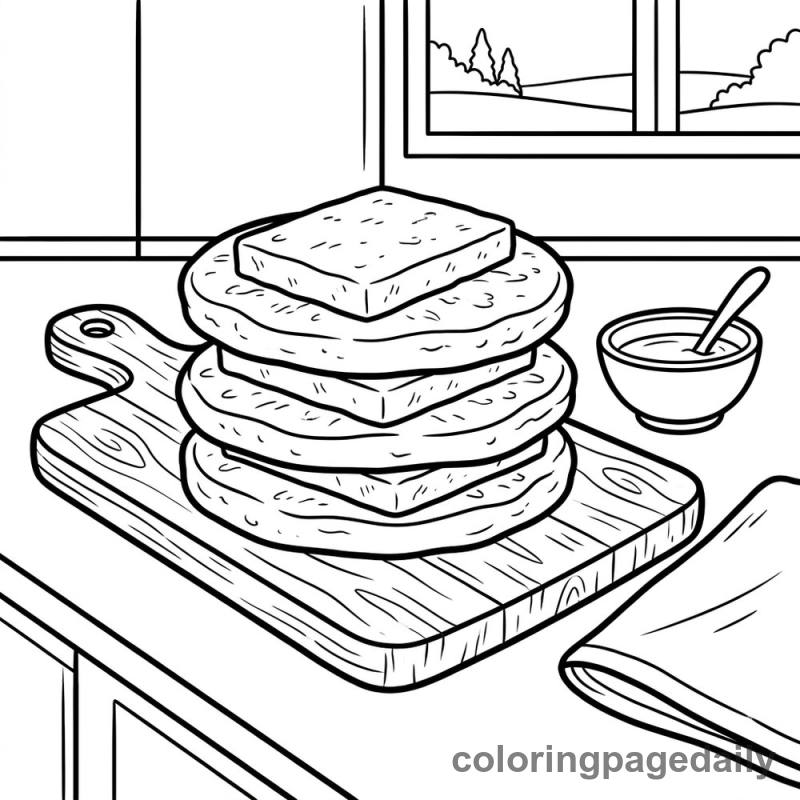
Venezuelan cachapas are sweet corn pancakes that feature a bright, sunny yellow color, often beautifully contrasted by thick, white cheese (like queso de mano). This page is perfect for practicing color blending. Kids can start with a base of bright yellow, then lightly layer orange and golden-brown in the center to mimic the slightly charred, roasted spots from the griddle. For the cheese, using a light gray or pale blue colored pencil to lightly outline the edges will make the white cheese pop against the bright corn pancake.
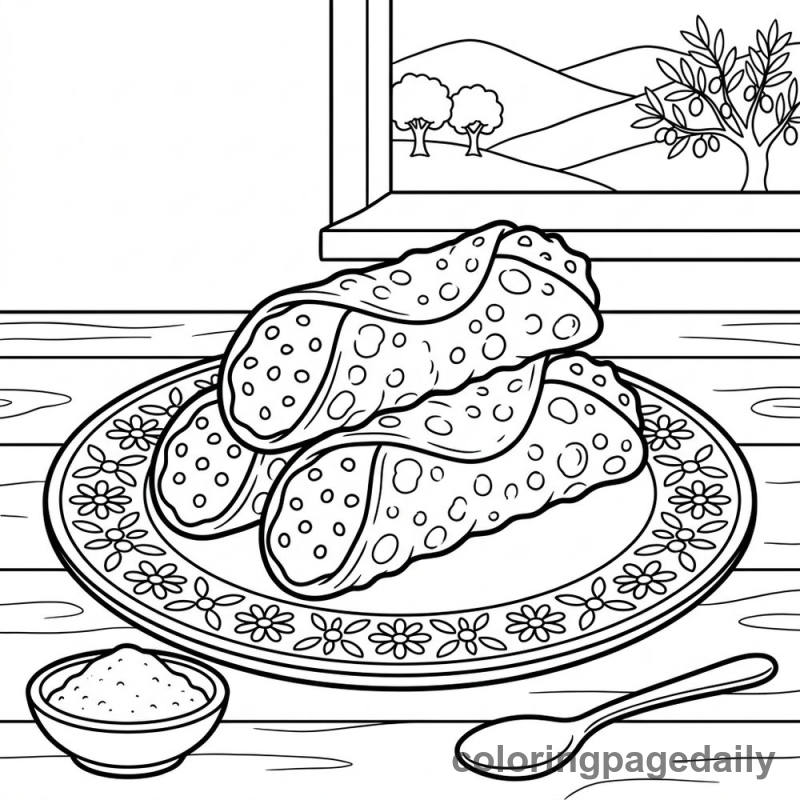
A great food illustration shows the difference between hard and soft ingredients. For Italian cannoli, young artists can use "cross-hatching" (drawing tiny intersecting lines) with dark browns and tans to make the pastry shell look rigid, bubbly, and fried. Then, for the creamy ricotta filling at the ends, they can use a technique called "stippling" (making tiny dots with their markers or pencils) to represent the textured cheese and a dusting of powdered sugar.
By using these simple techniques, children can turn their coloring pages into realistic, 3D-looking feasts. Grab your coloring supplies, and let's get cooking!
This article is part of Taste of the World: Traditional Foods — browse all 23 coloring pages