Are you ready for some brand-new dinosaur adventures? We’ve just added several delightful new pages to our Playful Prehistoric Pals collection, and this update is all about fun interactions! From sweeping up leaves to gently observing tiny prehistoric insects, these fresh scenes offer wonderful opportunities for kids to practice fine motor skills and experiment with new coloring techniques.
Some of our favorite new additions feature massive dinosaurs interacting with the smallest creatures in their environment. This contrast in scale is not only adorable but also great for sparking educational conversations with kids about prehistoric ecosystems.
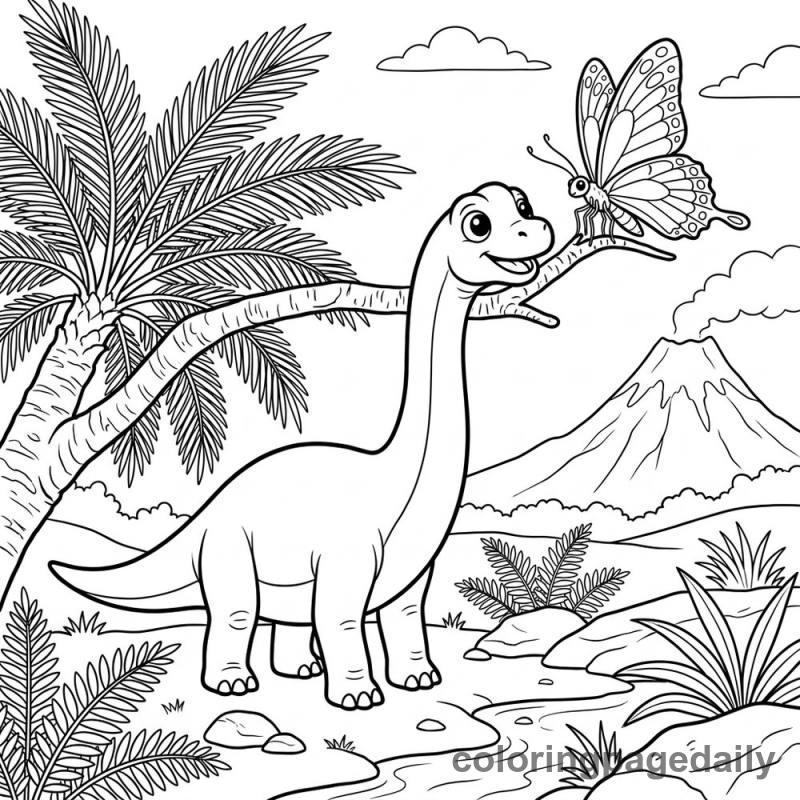
Coloring Tip for Tiny Details: When coloring pages like the Brachiosaurus watching a butterfly or the new Triceratops observing a line of marching ants, encourage your little artists to use fine-tipped markers or well-sharpened colored pencils for the insects.
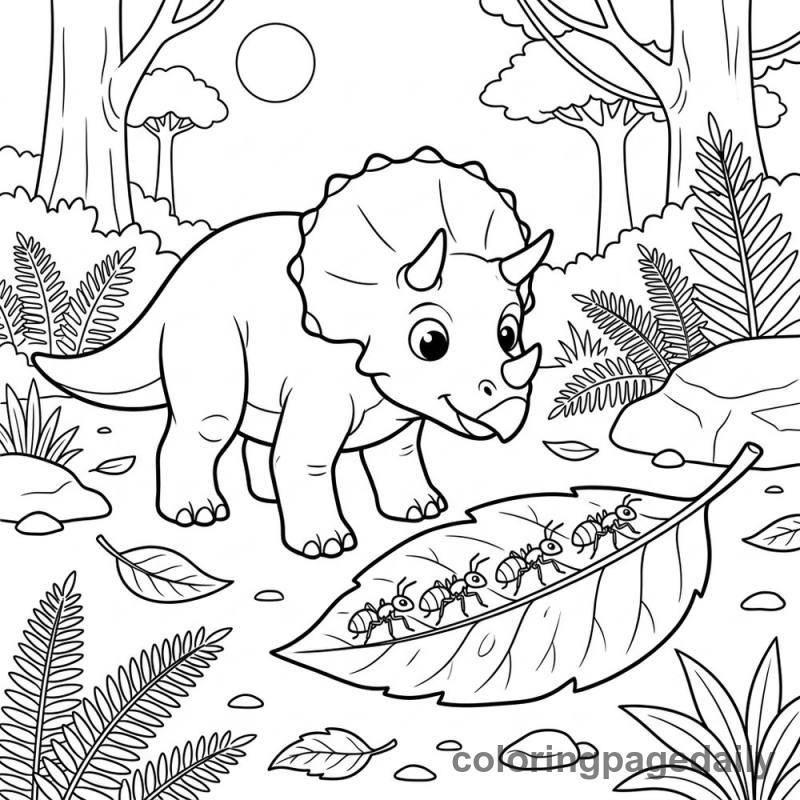
To make these tiny creatures really stand out on the page, try teaching kids about contrasting colors! If they color the dinosaur in cool greens, blues, or purples, suggest coloring the butterfly or ants in bright, warm colors like orange or red. This contrast will immediately draw the eye to the dinosaur's tiny new friend.
Dinosaurs weren't just standing around—they were actively exploring their world! Our latest update includes scenes of dinosaurs playing, working, and foraging.
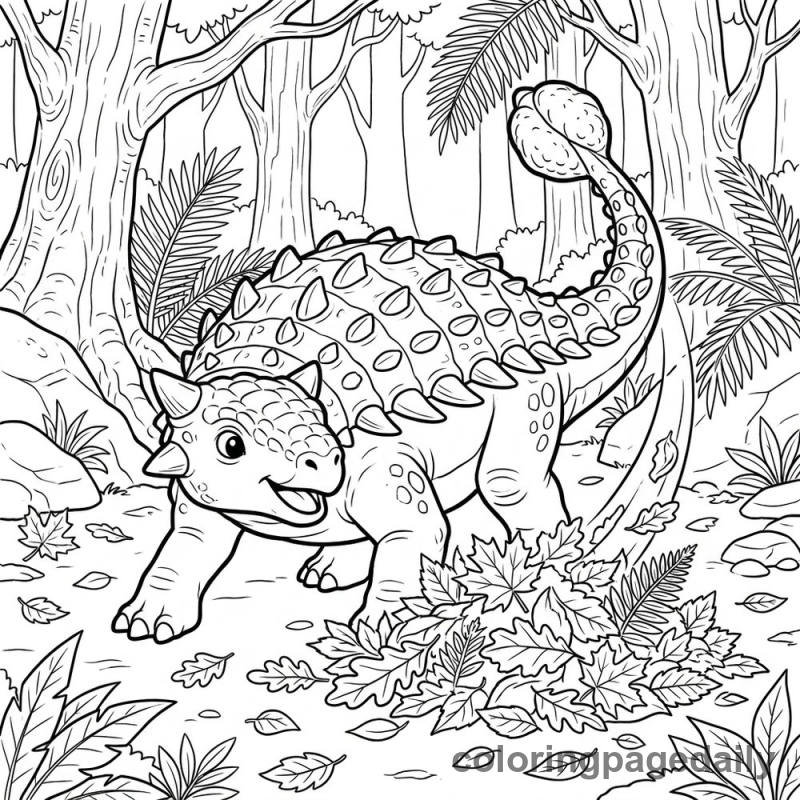
The Ankylosaurus sweeping autumn leaves is a fantastic page to practice capturing motion on paper.
Coloring Tip for Showing Movement: Teach older children about "directional coloring." Instead of coloring back and forth randomly, have them use sweeping, curved pencil strokes that follow the direction of the Ankylosaurus's swinging tail and the flying leaves. This simple technique makes the whole scene look dynamic and alive!
Finally, we have some fantastic new food-gathering scenes, including a friendly Therizinosaurus putting its famous long claws to good use! Did you know that despite having claws that could reach over three feet long, scientists believe the Therizinosaurus was primarily a gentle herbivore? It likely used those impressive claws to hook and pull down high, leafy branches to reach its food.
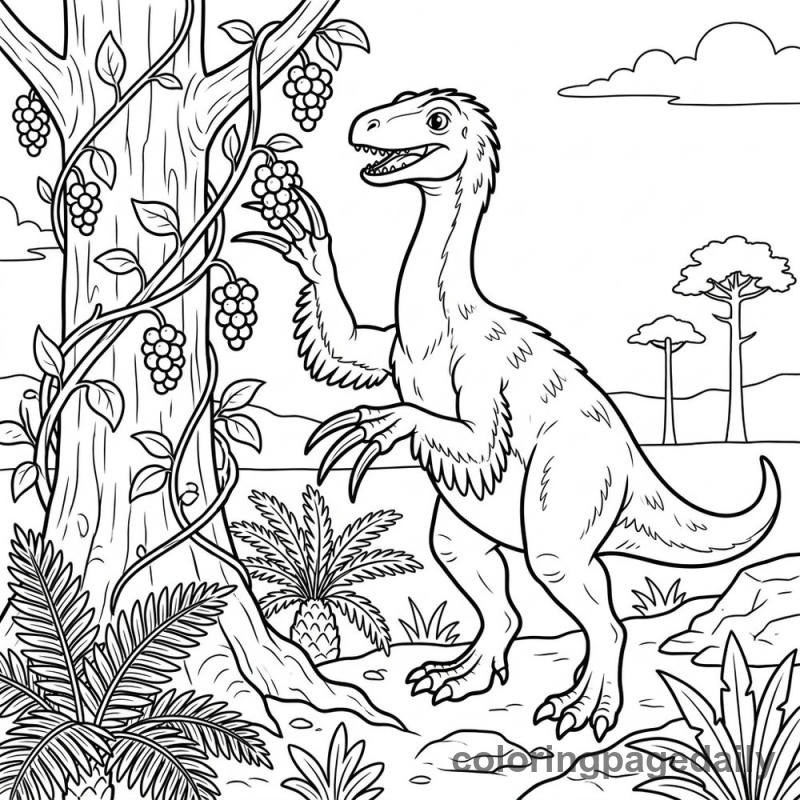
Coloring Tip for Plants and Fruits: When coloring the high vines and fresh berries, suggest layering colors. Start with a light green or yellow base for the leaves, then add darker greens near the stems for shadows. For the berries, show your child how to leave a tiny, uncolored white dot in the center of a red or purple berry. This creates a "highlight," making the prehistoric fruit look shiny and plump!
We hope you and your students or children enjoy these new additions. Grab your favorite coloring supplies and bring these dynamic prehistoric moments to life!
This article is part of Playful Prehistoric Pals — browse all 24 coloring pages