Welcome back to the Ocean Wonders & Sunken Treasures collection! This week, we are thrilled to introduce a brand-new batch of coloring pages that celebrate the ocean's most beloved gentle giants and playful marine mammals. Whether you are a teacher planning a marine biology lesson or a parent looking for a relaxing afternoon activity, these new additions offer wonderful opportunities to practice fresh coloring techniques.
Here is a look at our latest pages and some creative ideas for bringing them to life!
Our new pages feature some of the largest, most peaceful creatures in the sea. When coloring massive animals, it can be a fun challenge to capture their impressive scale on a single sheet of paper.
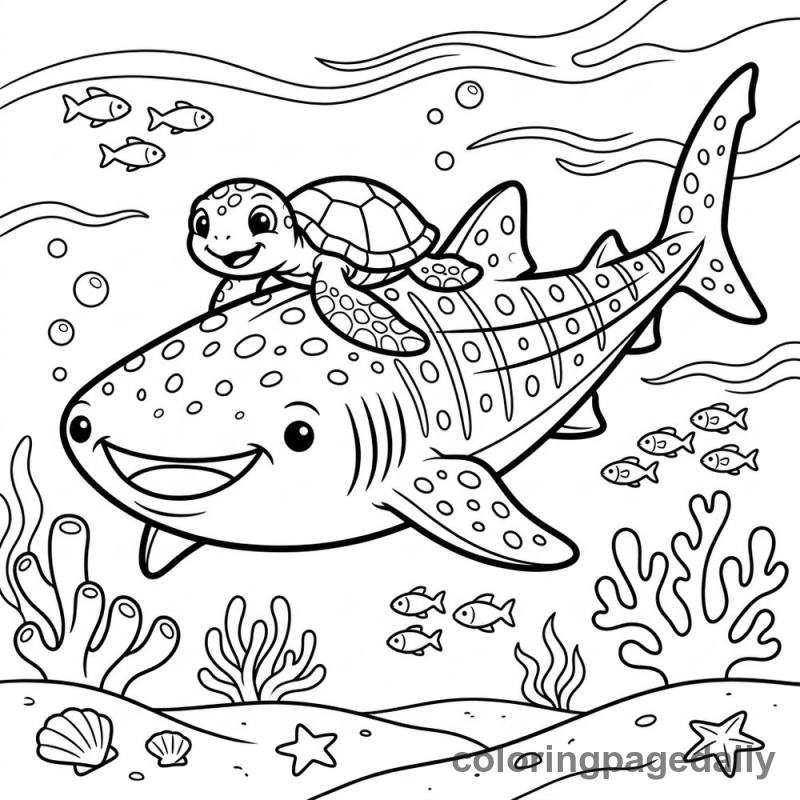
Tip: Creating Depth with Gradients To make giants like the whale shark look truly massive, focus on the water surrounding them. Try creating a top-to-bottom gradient in the background! Use a very pale aqua or even leave some white space near the top of the page to represent sunlight hitting the water's surface, gradually transitioning to a rich indigo or violet at the bottom edge. This technique instantly gives the illusion of deep, vast ocean space behind the creature.
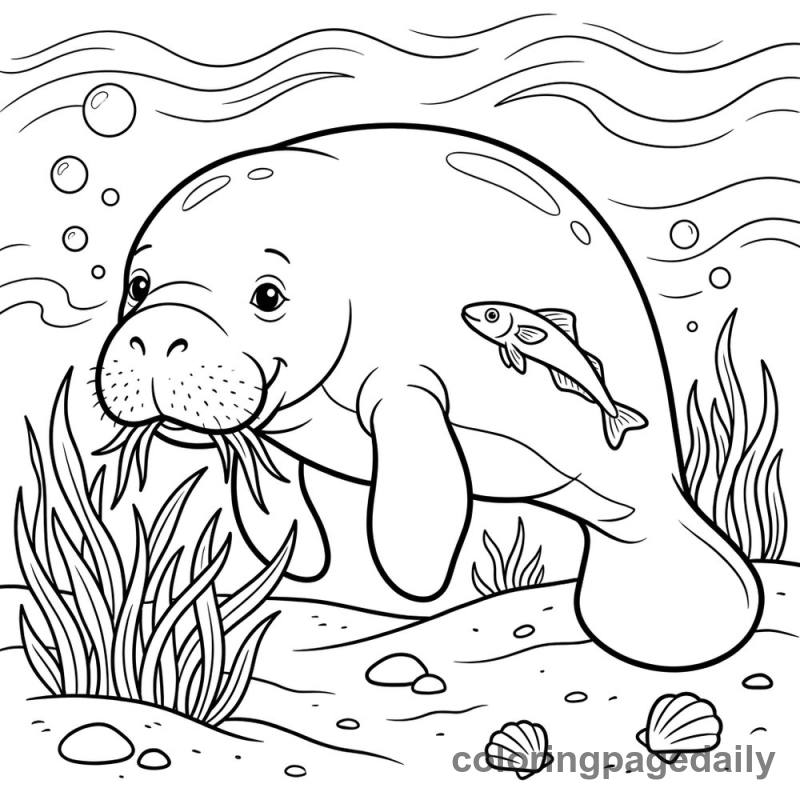
For our manatee page, encourage children to use directional shading. Instead of coloring back-and-forth in straight, flat lines, use curved, circular strokes with gray and brown crayons. This mimics the round, barrel-like shape of a manatee's body, giving it a fantastic three-dimensional look!
Marine mammals are known for their incredible intelligence and playful behavior, which makes for dynamic and exciting coloring sessions.
Tip: Mastering Transparent Bubbles Coloring bubbles can be tricky since they are mostly made of transparent air! To make the dolphin's bubble ring pop, tell your young artists to leave the center of the bubbles completely white. Lightly trace the outside edges with a sharp, bright cyan or teal pencil. For an extra touch of realism, add a tiny, curved yellow or pink line on one side of the bubble to represent a reflection from a nearby coral reef.
We've also added some smaller, fascinating friends hiding in the reef.
Tip: Utilizing Warm and Cool Color Contrast Seahorses are masters of camouflage in the wild. While kids can certainly color the seahorse to match the staghorn coral exactly, another fun approach is using the color wheel to create striking visual contrast. If the background water is colored with cool tones (blues, greens, purples), try coloring the seahorse and coral in warm, vibrant tones like tangerine, magenta, or goldenrod. This bold contrast will make the subjects leap right off the page!
Dive into these new pages today, and watch your little artists' skills grow alongside their love for marine life. Happy coloring!
This article is part of Ocean Wonders & Sunken Treasures — browse all 10 coloring pages