Coloring isn't just a visual arts activity; it can be a powerful stepping stone for language development and creative writing. In our latest update to the Magical Spring Gardens collection, we've introduced a series of whimsical illustrations designed to make kids ask, "Who lives here?" and "What happens next?"
Whether you're a parent looking for a quiet afternoon activity or a teacher seeking engaging story prompts for your classroom, these new pages offer the perfect blend of art and narrative.
Literally step into a story with our newest book-themed additions. These illustrations are fantastic tools to talk about the structure of a tale—beginning, middle, and end—while filling in the lines.
When coloring the Magical Pop-Up Spring Book, ask your child what tale is being told on the pages. Is it an adventure about a brave knight crossing the wooden bridge?
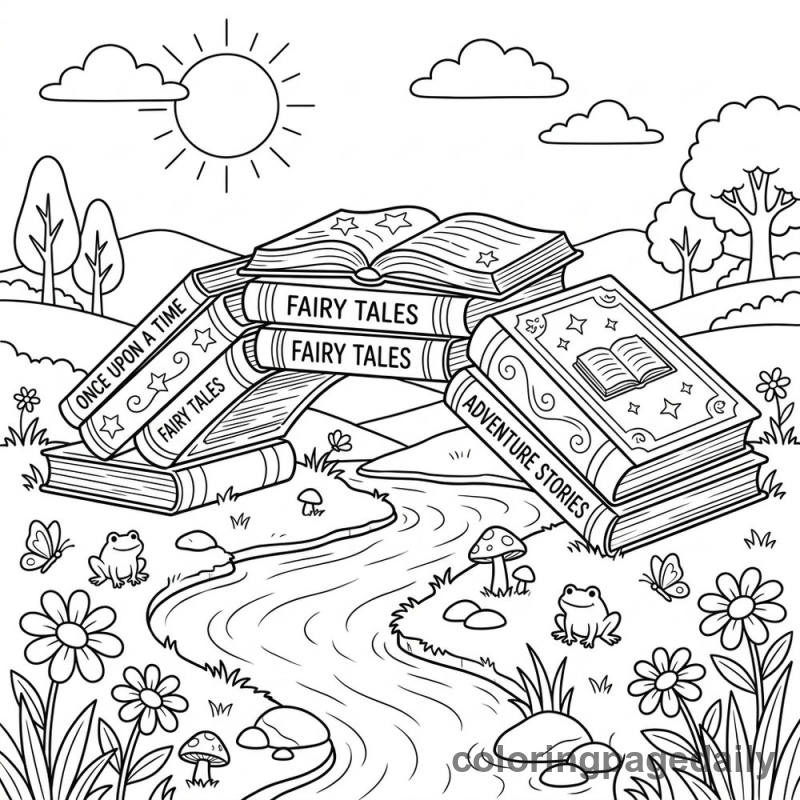
Similarly, the Magical Storybook Bridge prompts questions about destinations. Where does this bridge of books lead? Perhaps to a secret library hidden deep in the forest!
Our new collection also features everyday objects transformed into cozy, magical homes. These structures are perfect for character-building exercises.
Who might live in a pair of giant rubber rain boots? Are they tiny spring fairies, or perhaps a family of industrious field mice?
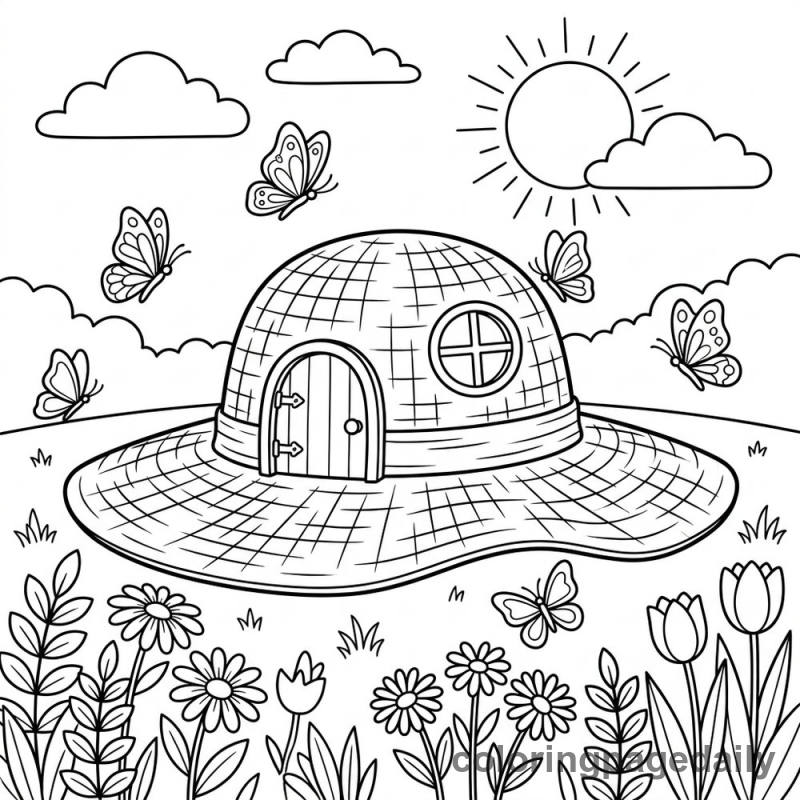
For the Magical Sun Hat House, discuss how the inhabitants might use the brim as a front porch to watch the fluttering butterflies.
To bring these stories to life on the page, try these advanced coloring techniques:
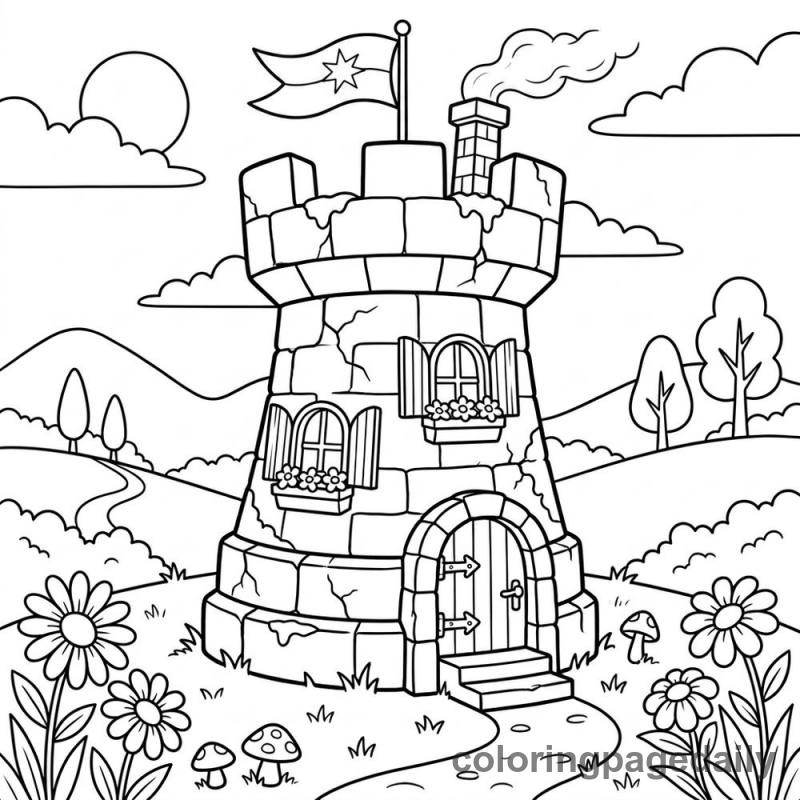
* Focus on Contrast: To emphasize the magical transformation of these everyday objects, color the base item (like the woven straw of the sun hat or the stone of the chess rook) using realistic, earthy tones. Then, use hyper-vibrant, intense hues for the magical elements like glowing windows, magical vines, or blooming flowers. This contrast makes the whimsical elements truly stand out. * Draw Your Own Details: A coloring page is just the beginning! Encourage children to grab a fine-tip pen or pencil and add their own narrative details. They could draw a tiny mailbox next to the Whimsical Chess Rook House, footprints leading to the front door, or a small clothesline strung between the daffodils. * Time of Day Shading: Ask your child if their story takes place in the morning, afternoon, or night. For a nighttime scene, they can color the sky deep indigo and leave the windows of the houses bright yellow to simulate warm, glowing candlelight from within.
By combining visual arts with storytelling, you're helping children develop critical thinking and communication skills. Print out these new arrivals, grab your favorite crayons or colored pencils, and let the storytelling begin!
This article is part of Magical Spring Gardens — browse all 14 coloring pages