Welcome back to our Global Culinary Delights collection! While we love exploring savory international meals, there is something undeniably magical about coloring desserts. As parents and educators, you can use coloring time to introduce advanced art concepts in an approachable way. Today, we’re focusing on the sweet finishing touches: how to color powdered sugar, fluffy whipped creams, and glossy fruit glazes.
Here are some fun, easy-to-teach coloring techniques to help your little artists bring these international treats to life!
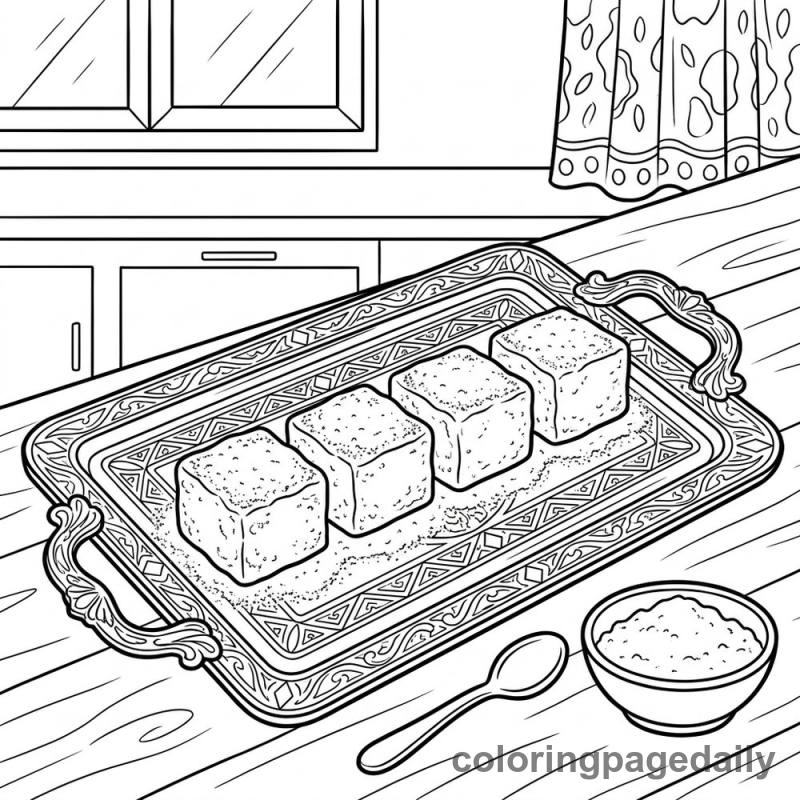
Capturing the look of powdered sugar can be tricky since the paper is already white! The secret is in the negative space. When coloring our Turkish Delight pages, encourage your students to use pale pastels—like light pink, soft lemon, or mint green—for the candy itself, while leaving the outer edges completely uncolored to simulate the thick coating of confectioner's sugar.
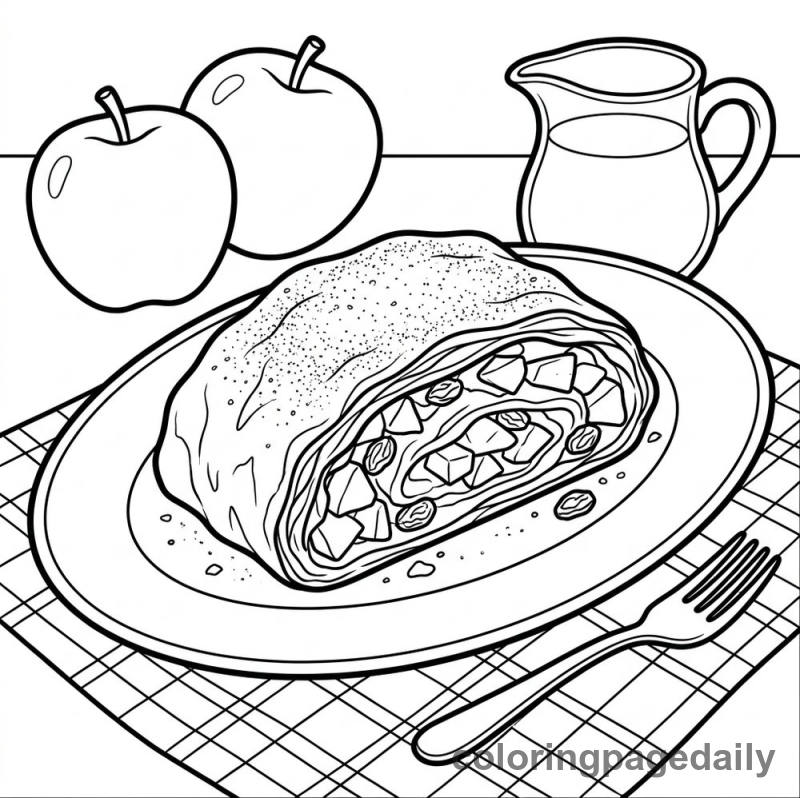
For the German Apple Strudel, kids can create a "dusted" effect by lightly tapping a white colored pencil or crayon over a lightly shaded golden-brown crust, or by coloring the crust and deliberately leaving small white speckles blank.
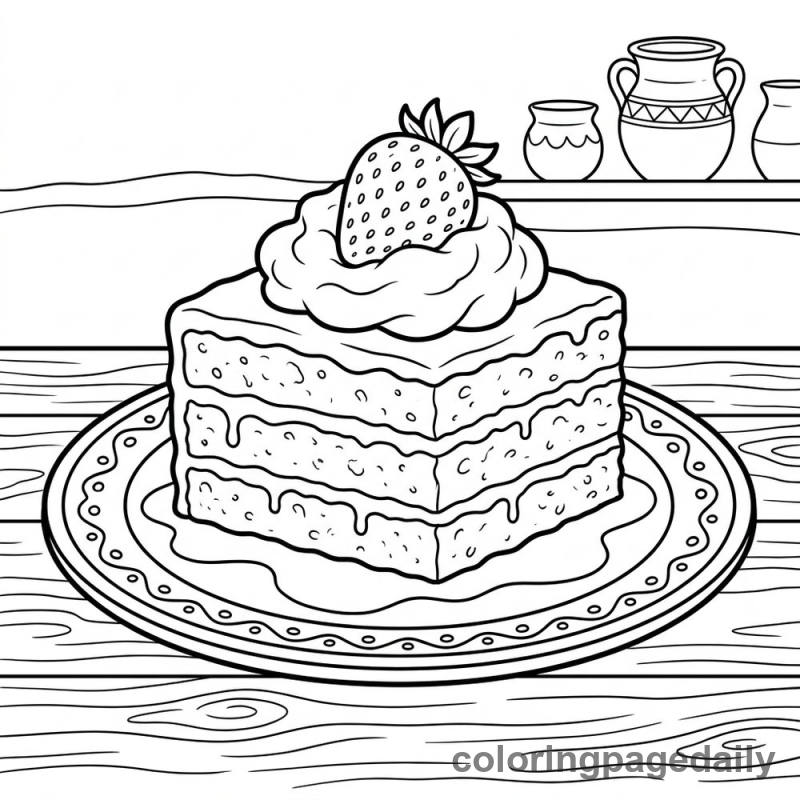
Whipped cream might seem like another white element, but in art, nothing is truly pure white! To make the whipped cream on our Mexican Tres Leches cake look round and fluffy, teach your child to use a very light blue or cool gray to add soft shadows to the bottom of the cream swirls.
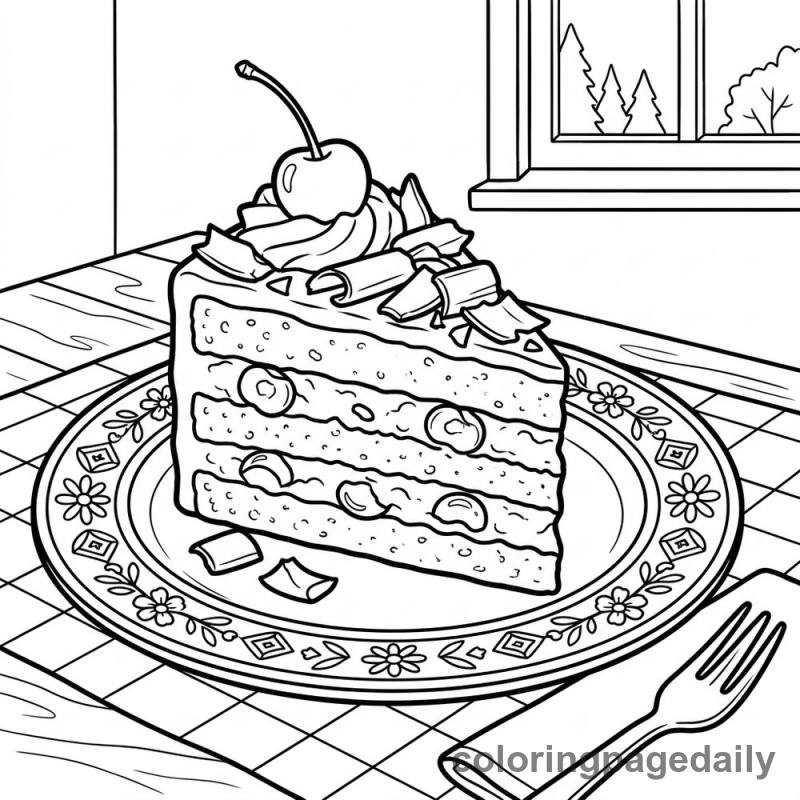
This shading technique works perfectly for the Black Forest Cake, too. By darkening the cake layers with rich, deep browns, the contrast will naturally make the lightly shaded cream layers pop right off the page.
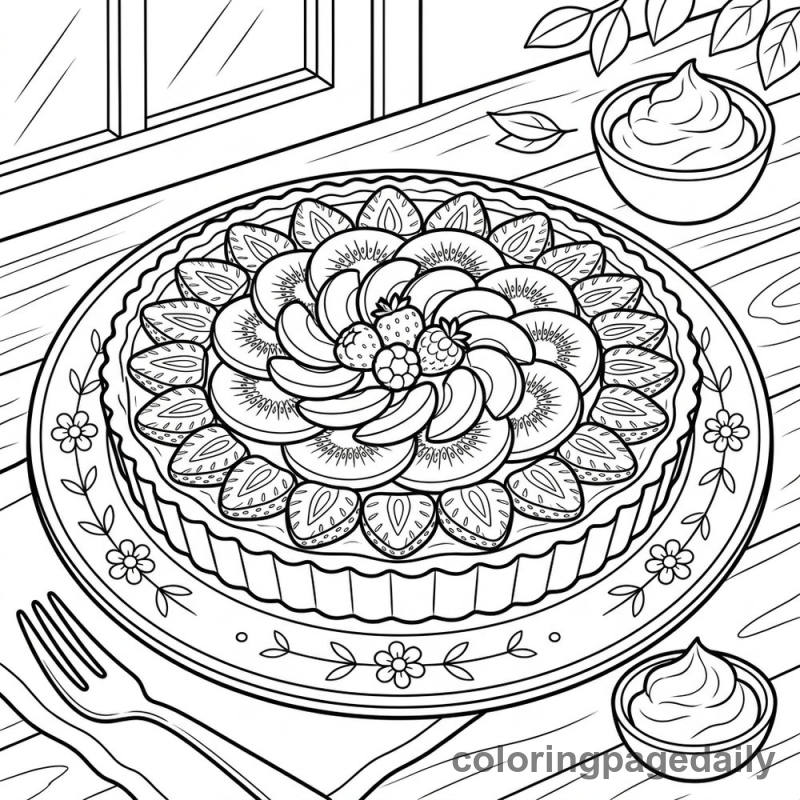
Traditional French fruit tarts are famous for their shiny, fruit-preserving glazes, which are often made by brushing warmed apricot jam over the fresh slices. To replicate this glossy shine, kids can use the "highlight" technique. Before they start coloring the strawberries, kiwis, and peaches, have them draw a tiny circle or line on each piece of fruit and leave it stark white. When they fill in the rest of the fruit with vibrant markers or crayons, those little white spots will look like reflections of light hitting a shiny glaze!
These simple techniques—utilizing negative space, cool-toned shadows, and stark highlights—are excellent ways to develop fine motor skills, spatial awareness, and an understanding of light. Grab your art supplies, print out these sweet treats, and let the culinary creativity begin!
This article is part of Global Culinary Delights — browse all 23 coloring pages