When children color their favorite meals from our Global Culinary Delights collection, they aren't just filling in shapes—they are becoming little food stylists! While getting the base colors right is always fun, adding dynamic, "active" elements to food illustrations takes a child's creativity to a whole new level.
Teaching kids how to color liquids, temperature effects, and gooey layers can make their artwork look truly appetizing. Here are some engaging tips for parents and teachers to help young artists bring their culinary pages to life!
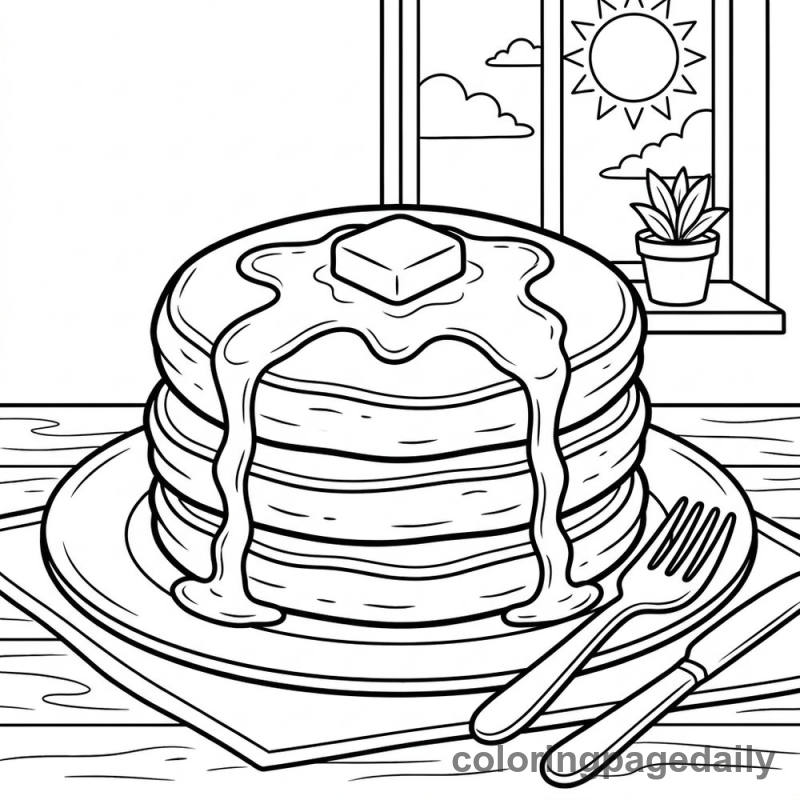
Nothing says "breakfast" quite like a generous pour of maple syrup! To make syrup look sticky and shiny, teach your child the power of highlights. When coloring the syrup dripping down our Fluffy American Pancakes Stack, encourage them to leave a tiny sliver of the paper white near the edge of the drip. Using rich ambers, golds, and warm browns around that white highlight creates an instant 3D liquid effect that pops right off the page.
How do you draw heat? Steam is a fantastic way to show that a dish is fresh out of the kitchen. For warm dishes like our Pleated Chinese Soup Dumplings, kids can use a fun mixed-media trick. Have them draw swirly steam lines rising from the bamboo steamer using a white wax crayon. Then, lightly wash over the background with watercolor paint. The wax will resist the paint, revealing magical, invisible steam! Alternatively, lightly blending pale gray and light blue colored pencils in upward spirals works beautifully.
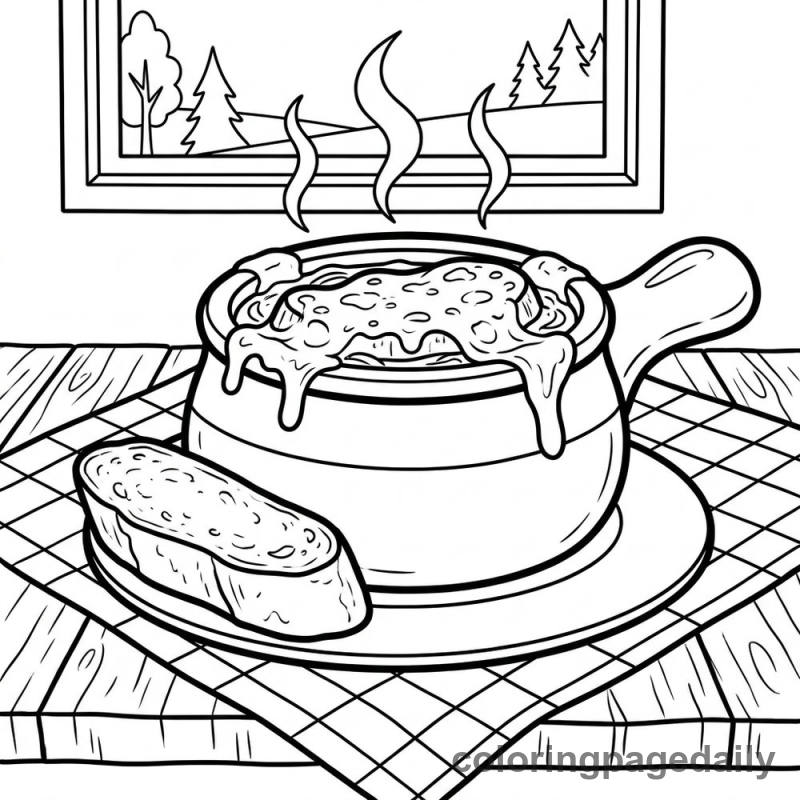
Melted cheese is all about soft color transitions. When tackling the gooey topping on our French Onion Soup Bowl, advise your little artists to blend their crayons or pencils. Starting with a base of pale yellow, they can layer soft orange and light brown to show the dips and bubbles in the cheese. Adding a few darker brown speckles will give it that perfectly toasted, broiled look that makes French onion soup so famous.
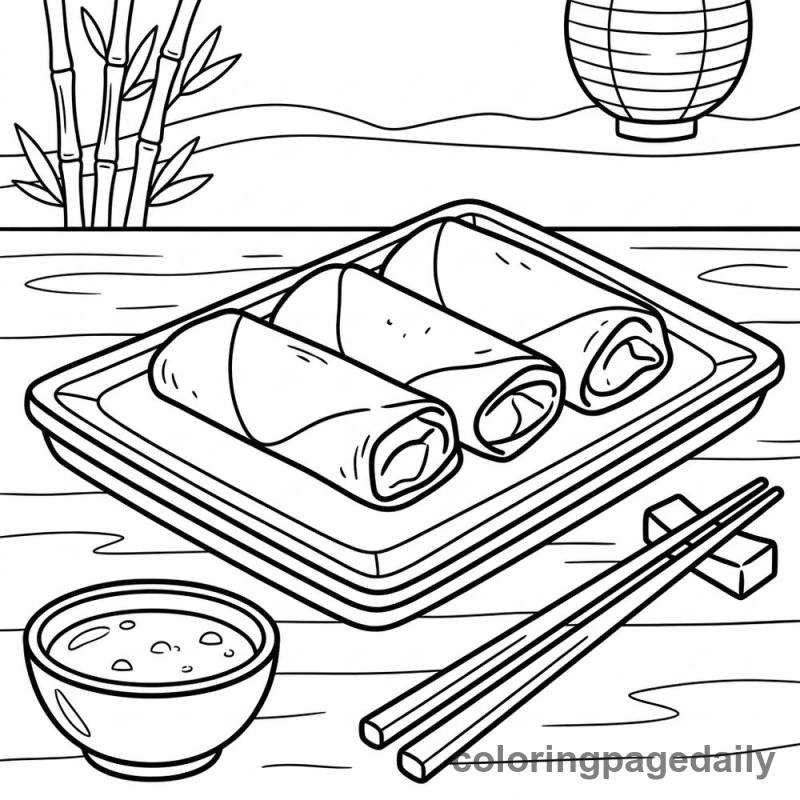
Dipping sauces might seem simple, but they are a great way to practice artistic depth. For the small bowl next to the Crispy Chinese Spring Rolls, coloring the edges of the liquid with a darker shade (like deep crimson for sweet and sour sauce) and leaving the center a bit lighter makes the bowl look full and deep. They can even add tiny dots of red, yellow, or green to represent floating spices and herbs.
Next time you are cooking or enjoying a family meal together, play "I Spy" with food details. Point out the steam rising from a bowl of rice, the shine on a dollop of jam, or the way cheese stretches on a slice of pizza. Observing these details in real life will inspire their next great coloring adventure!
This article is part of Global Culinary Delights — browse all 23 coloring pages