Welcome to the newest expansion of our space-themed coloring library! If your students or children are fascinated by what the future holds for humanity among the stars, our latest updates are sure to spark their imaginations. We are moving beyond standard rockets to feature the incredible, futuristic technology that will one day help us live, work, and thrive in outer space.
Here is a rundown of the newest additions to the Future Space Exploration collection, along with some fun facts and fresh coloring tips to try out!
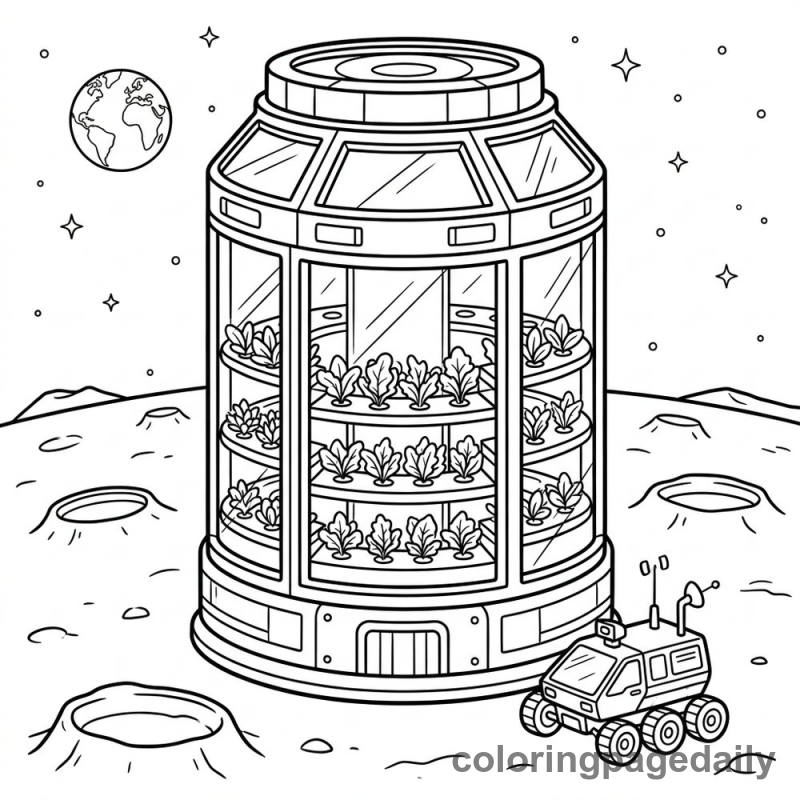
Our new Lunar Hydroponic Farming Tower page is a fantastic way to introduce kids to space agriculture. It offers a wonderful visual contrast, allowing kids to color vibrant, leafy greens against the stark, rocky environment of the moon.
The Space Debris Sweeper Vehicle is not just a fun coloring page; it is a great conversation starter about environmentalism and sustainability—even in outer space!
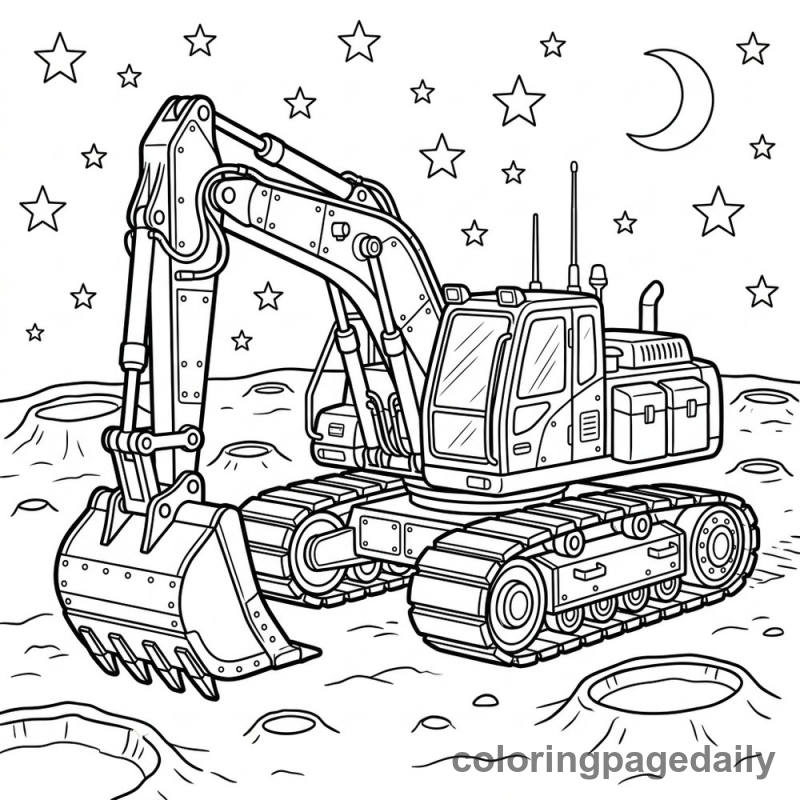
Our Lunar Mining Excavator Vehicle features heavy-duty treads and large scoops, perfect for kids who love big construction equipment but want an exciting sci-fi twist.
Now that you have these highly detailed new pages, how can you make them look as realistic and futuristic as possible? Try these techniques with your young artists:
* Creating Shining Metal: To make advanced spacecraft like our new Hexagonal Space Probe look truly metallic, encourage kids to use a mix of silver, gray, and a touch of light blue.
Pro Tip: Leaving a tiny sliver of the paper completely uncolored along the edge of the metal panels can create a highly realistic "shine" or reflection from a distant star. * Glowing Greenhouses and Panels: For the hydroponic towers and satellite communication dishes, use bright neon greens, yellows, and electric blues. To make these elements look like they are actually glowing, color the center of the lights with a very light shade (or leave it white) and press harder with a darker shade around the edges. * Crater Textures: The moon isn't just one flat shade of gray! Kids can use a stippling technique—making tiny dots with their markers or colored pencils—to give the lunar dirt a rough, dusty, and realistic texture. Layering browns and charcoals over the gray will give the craters incredible depth.
Grab your favorite coloring supplies and dive into the future of space exploration today. Don't forget to share your students' and children's glowing space habitats and shiny rovers with us!
This article is part of Future Space Exploration — browse all 8 coloring pages