Welcome to a deep dive into our "Cozy Winter Wonderland" collection! While children love coloring mittens, sleds, and snowy scenes, this chilly season offers an incredible opportunity to learn about how animals survive and thrive in freezing temperatures. Let's explore some amazing educational facts you can share with your little ones as they color their favorite winter pages.
Kids might naturally reach for their white crayons when coloring our polar bear pages, but did you know polar bears aren't actually white? Their thick fur is made of hollow, translucent tubes that reflect light, making them appear white to perfectly blend in with the snowy arctic landscape.
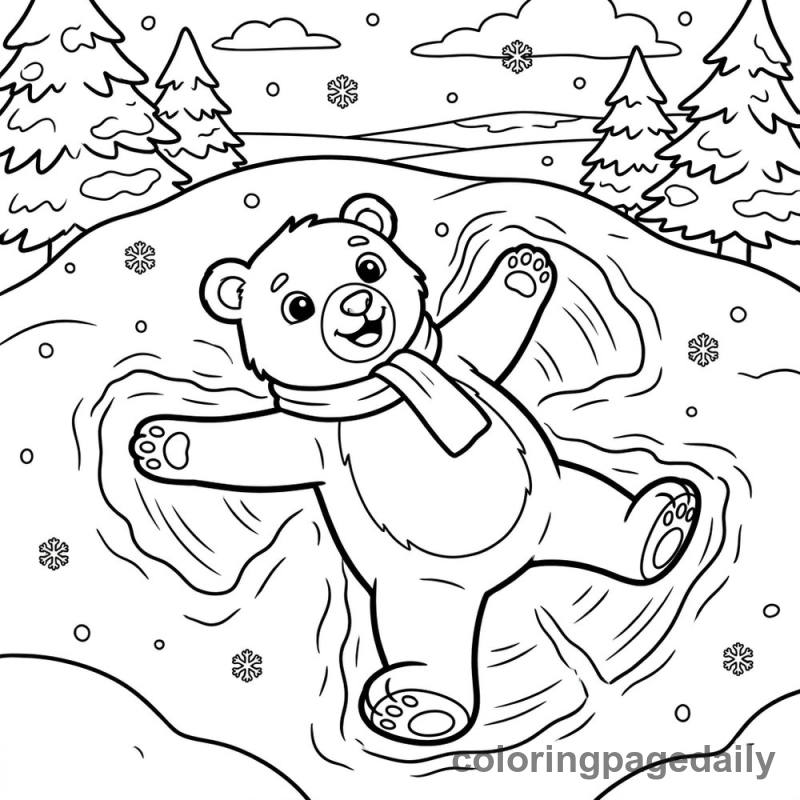
Even more surprising, beneath all that fluffy fur, a polar bear's skin is jet black! This dark skin helps them absorb the sun's warming rays to stay comfortable in sub-zero temperatures.
Most owls are nocturnal, meaning they sleep during the day and hunt at night. However, the beautiful snowy owl is diurnal!
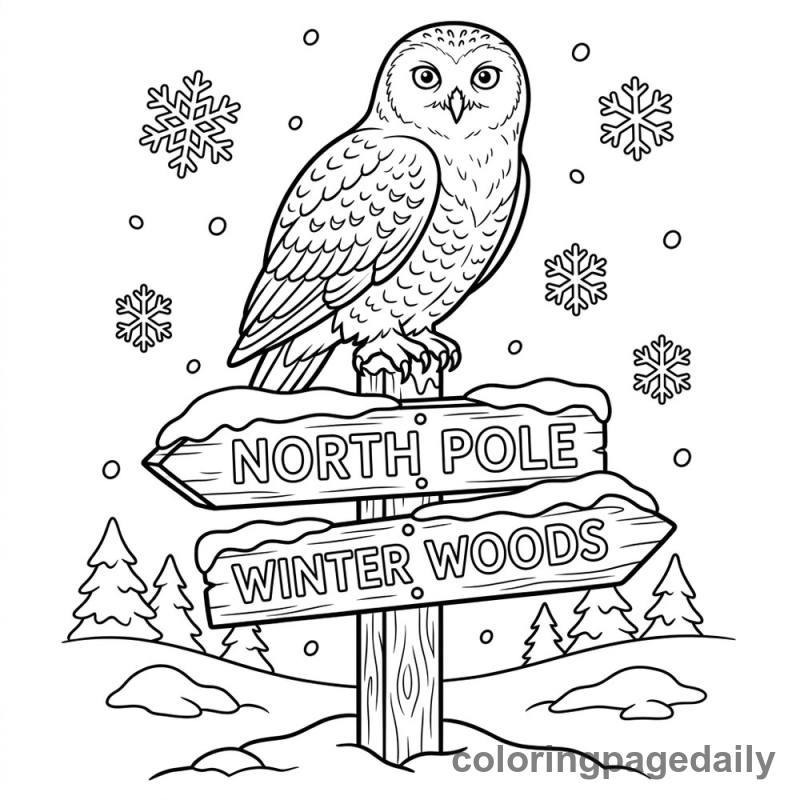
Because they live in the high Arctic where the sun can shine for 24 hours a day during the peak of summer, they have adapted to be active in the daylight. They also have thick, specialized feathers covering their feet, which act exactly like built-in winter boots to protect their toes from the freezing ice and cold.
The magnificent snow leopard is perfectly built for high, snowy mountains. Their paws are exceptionally large and covered in thick fur, acting as natural snowshoes that distribute their body weight so they don't sink into deep drifts.
Furthermore, their incredibly long, bushy tails aren't just for balance on rocky cliffs. When it's time to sleep, a snow leopard will wrap its tail entirely around its face, using it as a cozy, breathing-warmed scarf!
When coloring the icy habitats of marine mammals, it's fun to learn about their unique early adaptations. Harp seal pups are born with a special, incredibly fluffy white coat called lanugo.
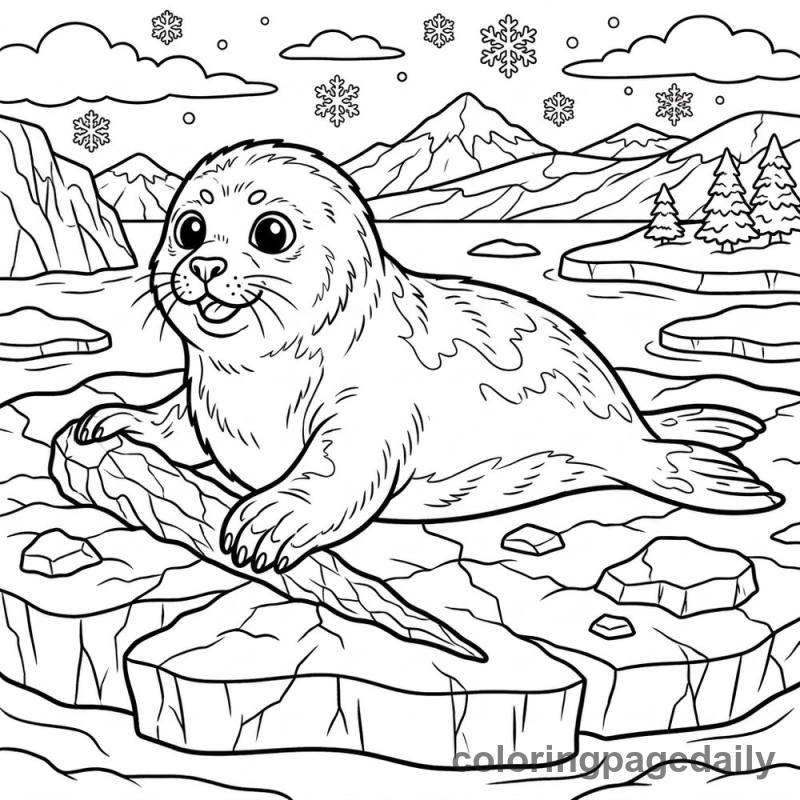
This temporary fur does more than just camouflage them against predators on the ice; it also acts as a solar heating system. The translucent hairs trap sunlight and direct it toward their skin, keeping their tiny bodies warm until they develop a thick enough layer of blubber to swim in the freezing ocean.
Animals aren't the only ones who need to adapt to the cold! When we head out for sledding and snowball rolling, we rely on physics to stay warm. A classic winter thermos, for example, uses a brilliant "vacuum flask" design.
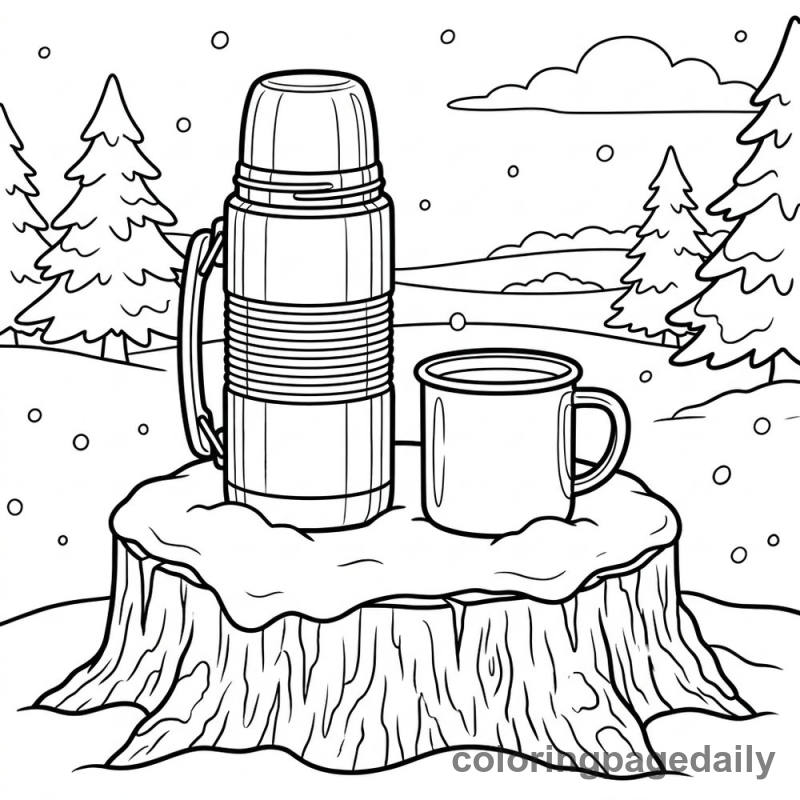
It features an inner and outer wall with all the air sucked out between them. Because heat needs molecules to travel through, this empty vacuum gap prevents the heat of your hot cocoa from escaping into the frosty air!
These fun facts turn coloring time into an engaging science lesson. As your children color these beautiful winter scenes, they aren't just practicing fine motor skills—they are discovering the brilliant ways nature and science adapt to the cold!
This article is part of Cozy Winter Wonderland — browse all 23 coloring pages