As the temperature drops, animals in the wild have to get creative to stay warm. The second volume of our Cozy Winter Wonderland collection is packed with adorable creatures bundled up for the season. Did you know that these animals have their own remarkable, natural ways of surviving the chill? Let's dive into some incredible educational facts about winter wildlife that you can share with your children while they color!
When the winter wind howls, some animals use their own bodies to stay cozy.
Take the Arctic fox, for example. This clever canine has a thick, bushy tail that it wraps around its body and face like a thick, cozy sleeping bag. This built-in blanket traps warm air close to the fox's body, protecting it from freezing temperatures during long winter nights.
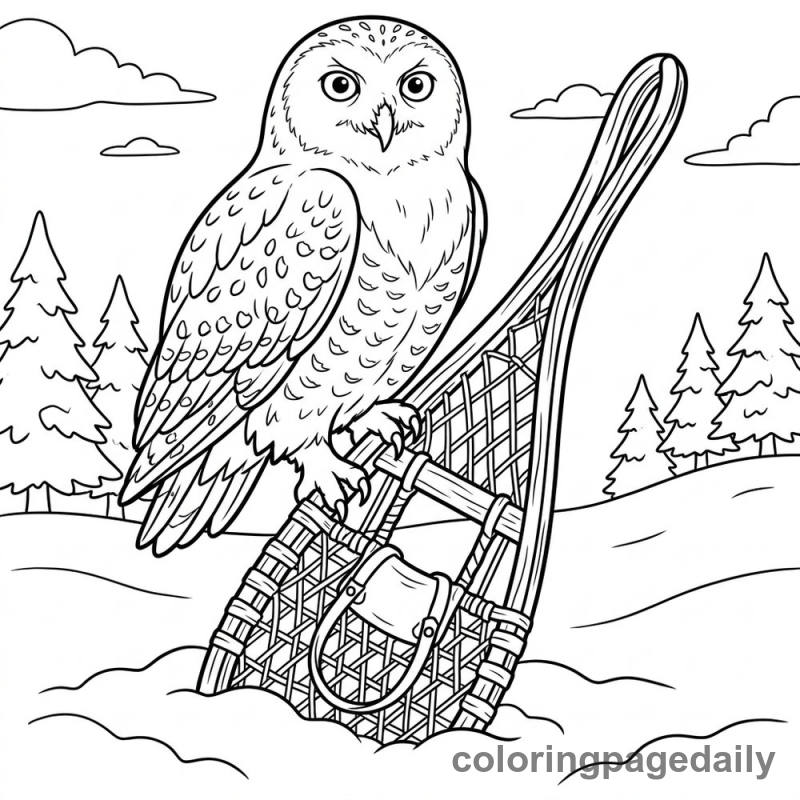
Birds need protection from the cold, too! While most birds have bare legs, the majestic snowy owl features thick feathers that grow all the way down to the tips of its toes. These act like permanent fuzzy slippers, keeping their feet warm while they perch on icy branches or frozen ground.
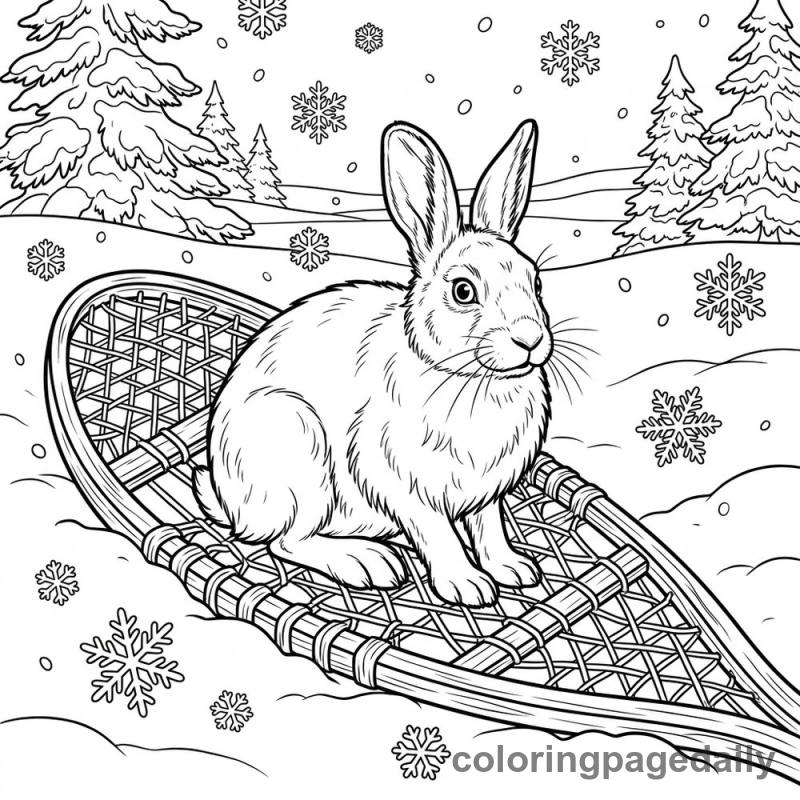
It is no coincidence that we feature an Arctic hare sitting inside a giant wooden snowshoe! In the wild, Arctic hares have enormous, heavily padded hind feet. When they hop, these large feet spread their body weight over a wide surface area, preventing them from sinking into deep, soft powder. Human snowshoes were actually inspired by this brilliant natural design!
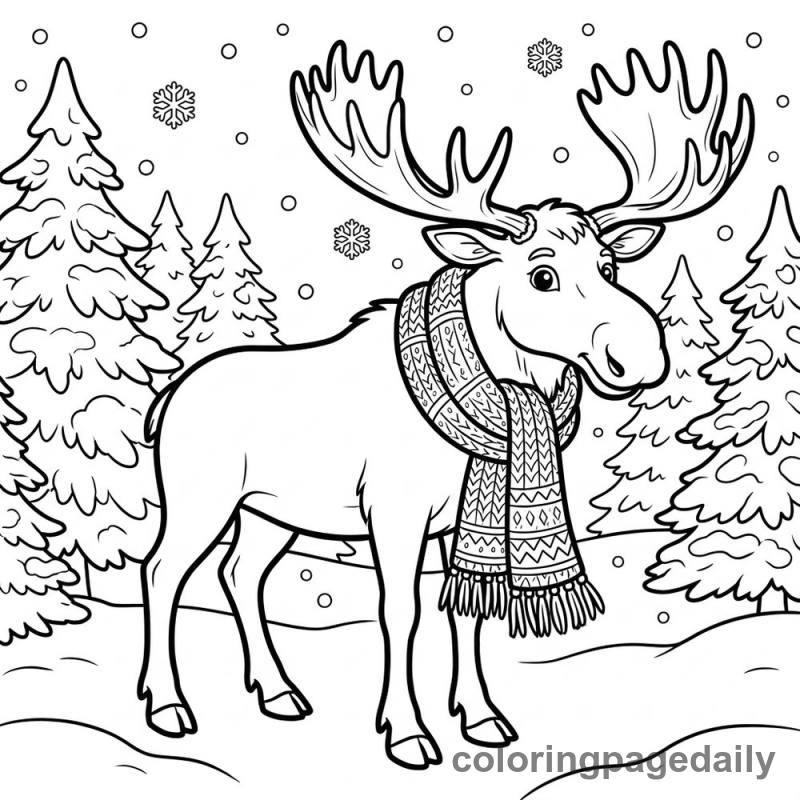
While our coloring page moose is sporting a stylish knitted scarf, a real moose has a completely different trick for staying warm. Moose fur is actually made up of hollow guard hairs. These empty, tube-like hairs trap air, creating a thick layer of insulation that stops their body heat from escaping. This natural insulation is so effective that snow can land directly on a moose's back and sit there without melting!
Then there is the tiny, adorable Alpine pika. You might assume this small mountain mammal sleeps through the cold months, but pikas actually do not hibernate! Instead, they spend their summers gathering mouthfuls of wildflowers and grasses. They lay these plants out on sun-warmed rocks to dry, creating what biologists call "haypiles". Once the snow falls, the pika retreats to its den under the rocks and snacks on its carefully preserved haypile all winter long.
Coloring offers a wonderful opportunity to blend art with science. As your little artists bring these snowy scenes to life, you can chat about the amazing ways nature adapts to the cold. Grab your crayons, bundle up, and enjoy exploring the wonders of winter biology!
This article is part of Cozy Winter Wonderland Vol. 2 — browse all 19 coloring pages