Every day, millions of students around the world pack their backpacks, sit at their desks, and reach for their trusty classroom supplies. But have you ever wondered where these everyday items came from? As you and your little learners explore our Back to School & Classroom Essentials coloring pages, share these surprising educational facts about the tools that make learning possible!
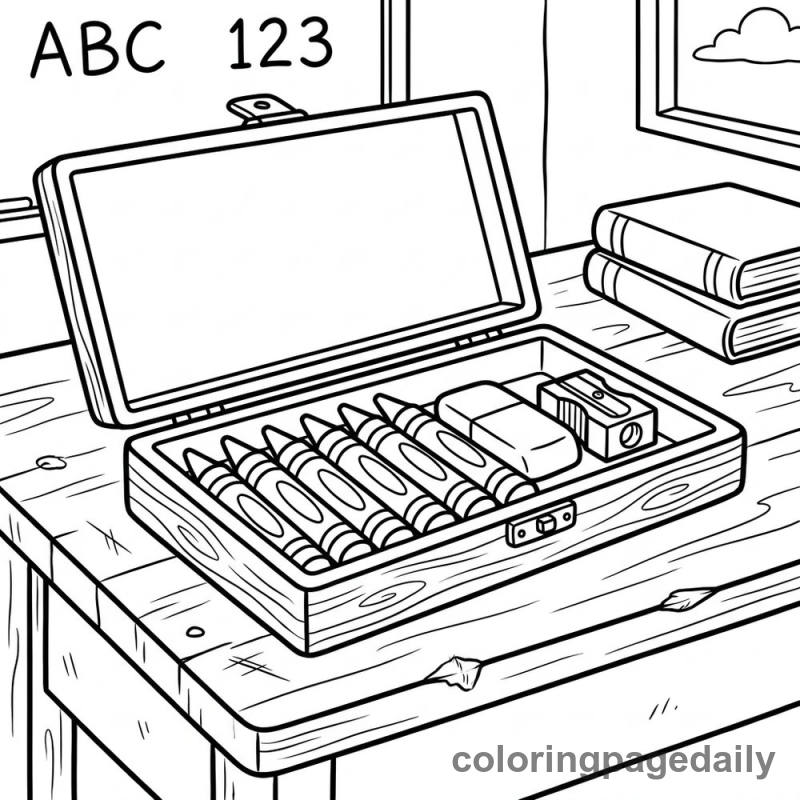
In 1770, an English engineer named Edward Nairne accidentally picked up a piece of natural rubber instead of his breadcrumb eraser. To his surprise, it worked perfectly! He began selling small rubber cubes in his shop, and the modern pencil eraser was born.
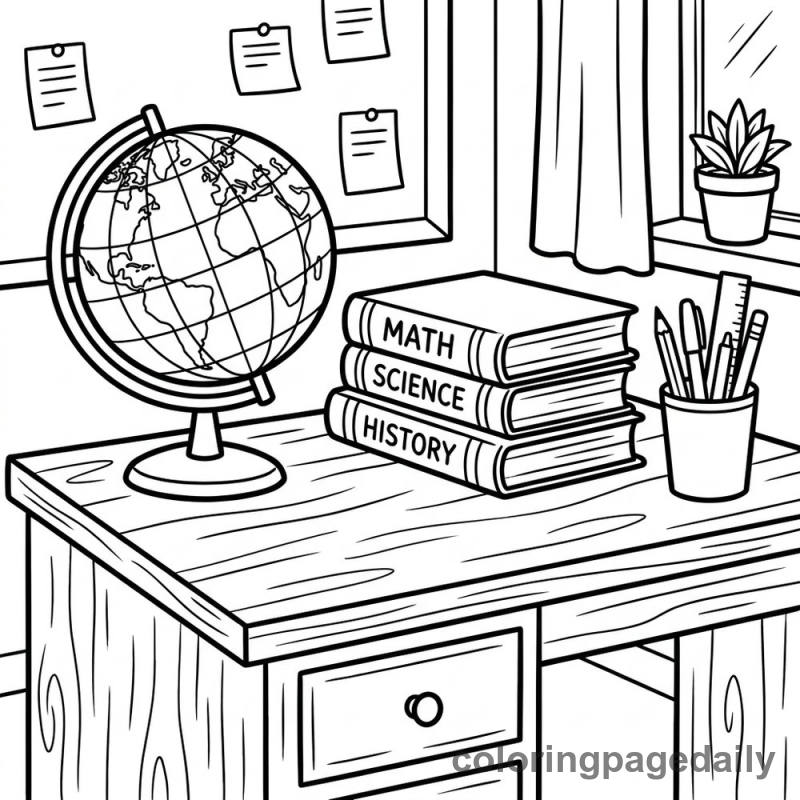
The oldest surviving terrestrial globe in the world is called the Erdapfel (which translates to "Earth Apple" in German). It was crafted by a mapmaker named Martin Behaim in 1492. Because it was made right before Christopher Columbus returned from his famous voyage, the Erdapfel doesn't feature the Americas at all! Instead, it shows a giant, empty ocean stretching between Europe and Asia.
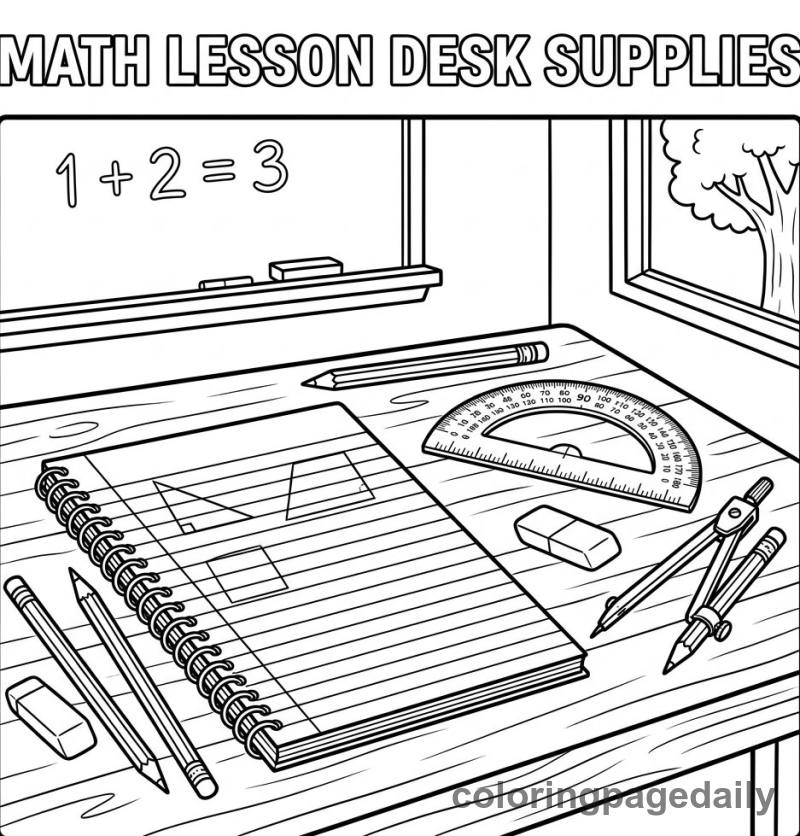
The modern semicircular protractor we use in geometry class today was first described in a 1589 book by Thomas Blundeville. However, he didn't invent it for math class—he designed it to help sailors and mapmakers navigate the high seas! It wasn't until the 20th century that protractors became standard equipment in school mathematics.
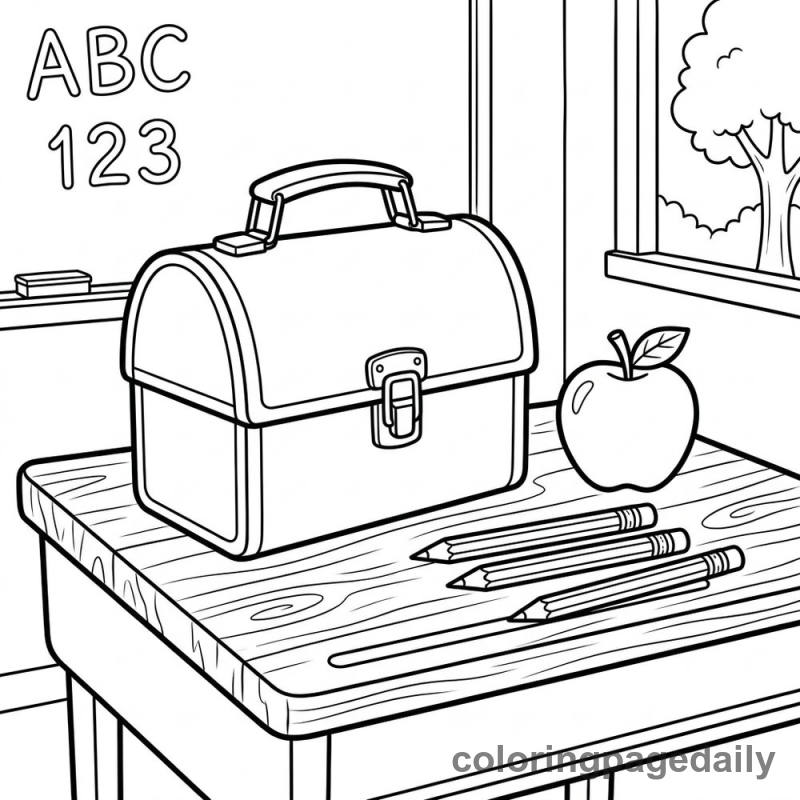
During the 16th to 18th centuries in parts of Europe, and later on the American frontier, teachers were often paid very little. Families of students would help support their local educators by providing them with food from their farms. Apples were a common, inexpensive, and hardy crop. Over time, bringing an apple to the teacher evolved from a form of payment into a sweet symbol of appreciation!
This article is part of Back to School & Classroom Essentials — browse all 12 coloring pages