Welcome to an educational journey through our Awesome Vehicles & Machines collection! As children color these complex contraptions, it presents the perfect opportunity to spark their interest in STEM (Science, Technology, Engineering, and Mathematics). Combining art with real-world engineering facts helps kids understand the mechanics behind the machines that move people, cargo, and even the earth itself. Let's dive into some fascinating trivia you can share during your next coloring session.
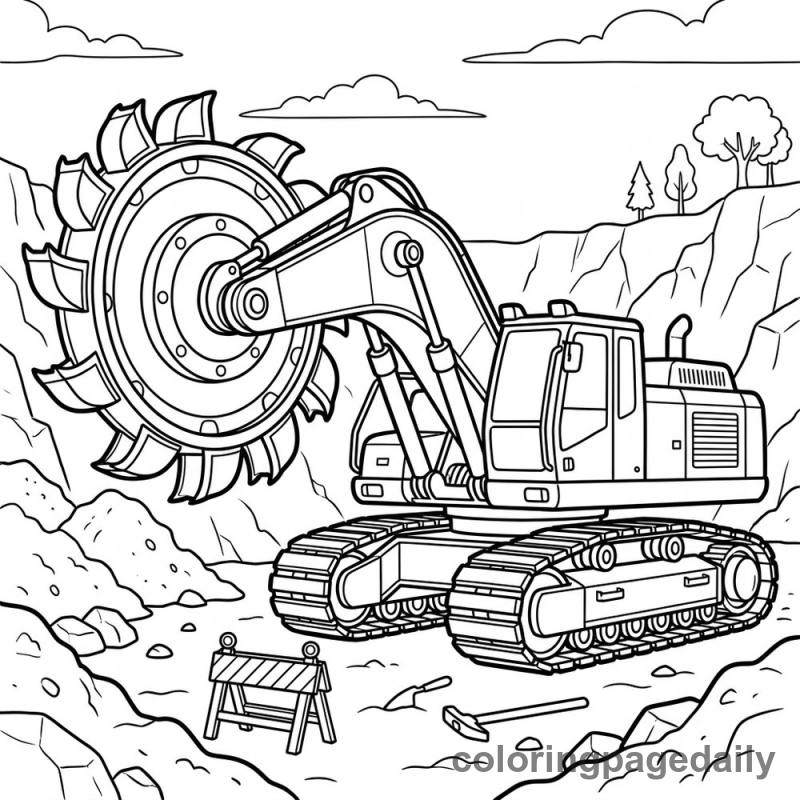
Did you know that bucket-wheel excavators are some of the largest terrestrial vehicles ever built by humans? Some of these colossal machines weigh over 13,000 tons and stand as tall as a skyscraper! Instead of using a single shovel, they use a massive spinning wheel lined with buckets to scoop up tons of dirt and rock continuously. To keep from sinking into the ground under their own tremendous weight, they roll on enormous tank treads that distribute the pressure evenly.
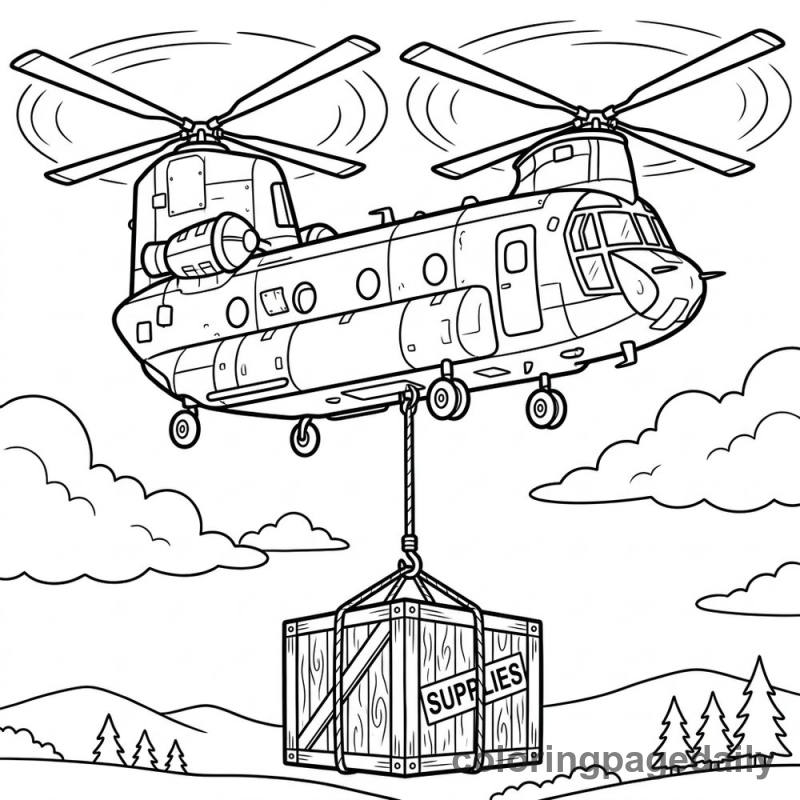
When roads are blocked or non-existent, twin-rotor transport helicopters take to the skies. You might notice they look different from standard helicopters. By using two main rotors spinning in opposite directions (known as a tandem-rotor system), these aircraft naturally cancel out the spinning force that normally requires a tail rotor. This clever engineering means 100% of the engine power goes directly into lifting heavy cargo, making them the ultimate flying workhorses for disaster relief and heavy construction!
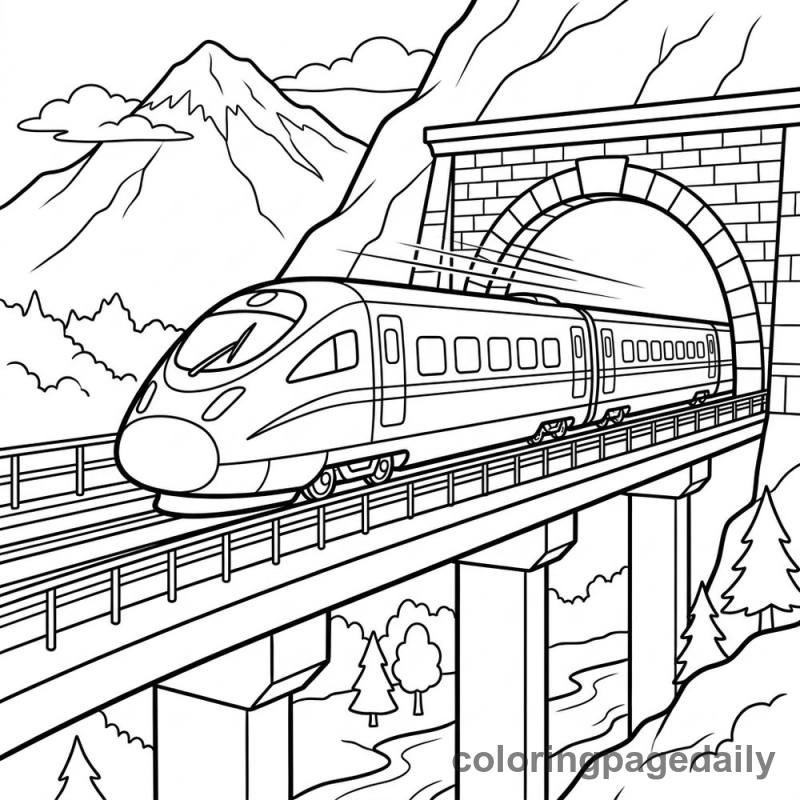
High-speed bullet trains are marvels of modern transit, traveling at speeds up to 200 miles per hour (320 km/h). Have you ever wondered why they have such long, pointy noses? Engineers actually modeled the front of these trains after the beak of the kingfisher bird! This design—an excellent example of biomimicry—allows the train to slice through the air smoothly. Most importantly, it prevents the loud, explosive "tunnel boom" caused by sudden air pressure changes when a high-speed train exits a mountain tunnel.
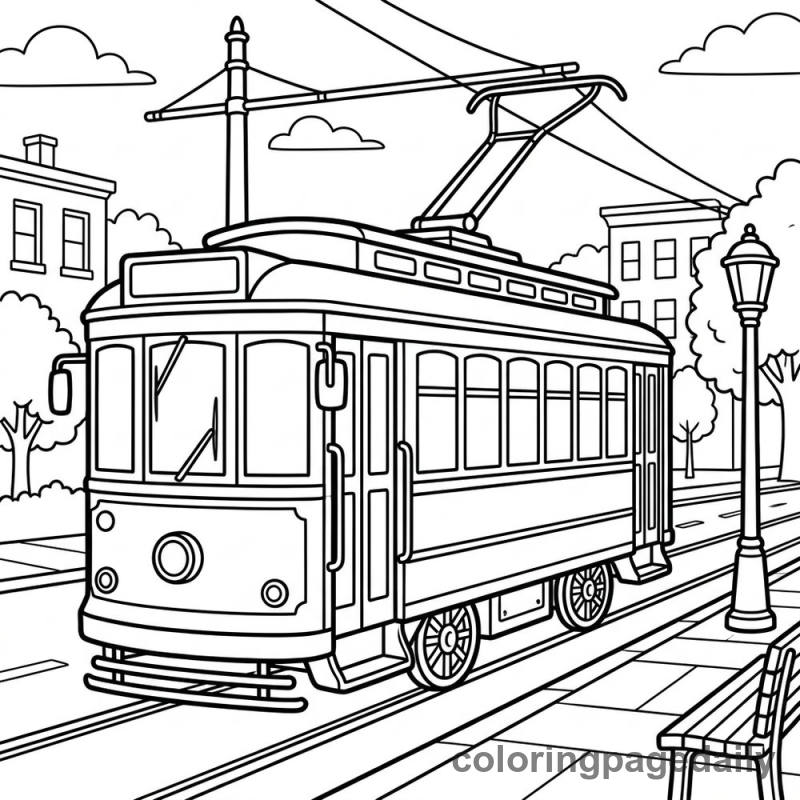
For a more leisurely pace, classic city streetcars (or trams) have been moving urban passengers for over a century. Before buses became common, these vehicles navigated cities on steel tracks embedded directly into the pavement. Many classic streetcars are entirely electric, pulling their power from a web of overhead wires using a special connecting pole called a pantograph or trolley pole. They remain a fantastic, eco-friendly way to navigate bustling city centers today.
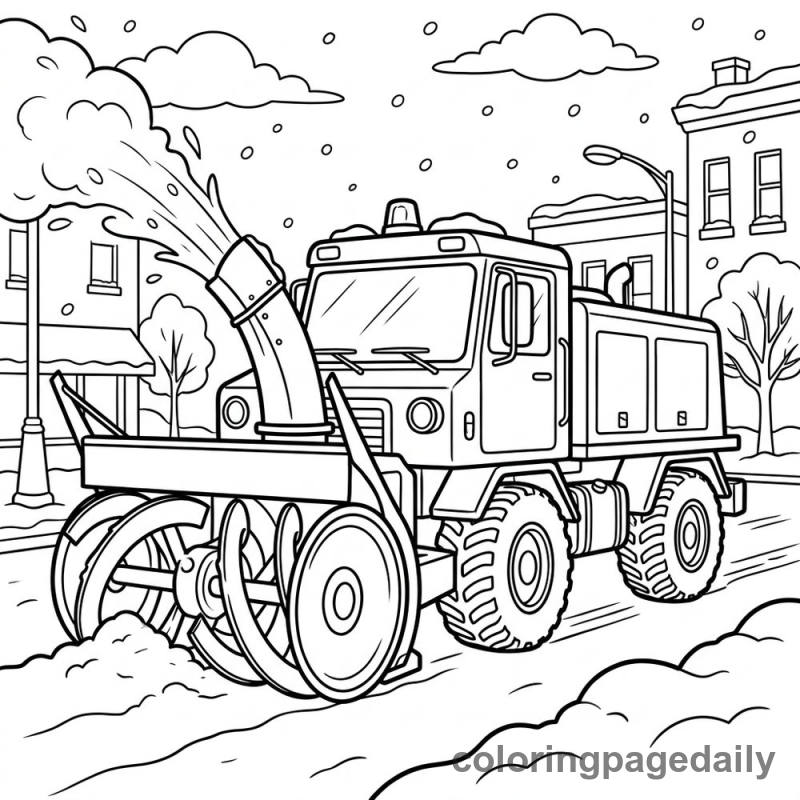
When winter storms bring feet of snow, standard plows just push the problem to the side. Enter the heavy-duty city snowblower truck! These powerful machines use a rotating metal spiral called an "auger" to chop through thick ice and heavily packed snow. Once broken up, a high-speed spinning impeller fan shoots the snow out of a directional chute, safely launching it far off the roadway or directly into dump trucks to keep traffic moving safely.
Sharing these incredible facts turns a simple coloring activity into a dynamic learning experience. Grab your crayons, pick your favorite machine, and explore the fascinating mechanics of our modern world!
This article is part of Awesome Vehicles & Machines — browse all 23 coloring pages