Introducing fundamental art concepts to children doesn't have to require a formal art class. In fact, our "Animals with Hobbies" coloring collection is the perfect canvas for teaching kids about color temperature! Understanding the difference between "warm" and "cool" colors helps young artists express emotions, set the mood of a scene, and make their favorite animal characters pop off the page.
Let's explore how you can use our latest coloring pages to teach this fun and foundational artistic skill at home or in the classroom.
Cool colors include shades of blue, green, and purple. These hues naturally remind us of water, ice, the sky, and peaceful environments. When kids use cool colors, they can create a calming or chilly atmosphere on the page.
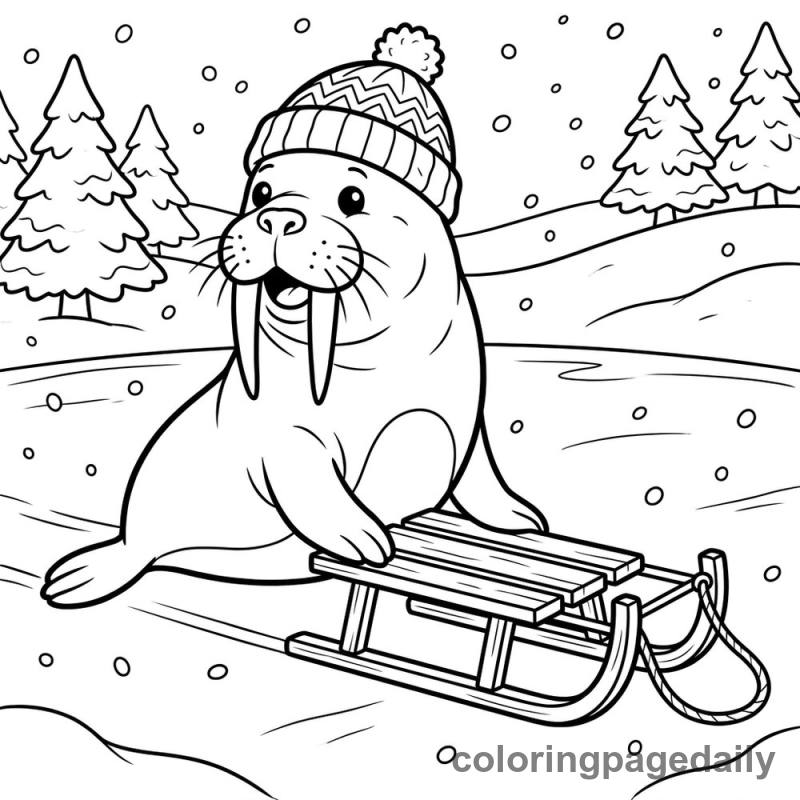
Take our sledding walrus, for example. Since walruses inhabit freezing Arctic environments, this scene is perfect for a cool color palette. Encourage kids to use various shades of light blue and pale purple to shade the frozen winter snow, rather than just leaving the background completely blank.
Art Tip: To make the main character stand out in a cool-toned environment, suggest coloring the walrus's knitted beanie in a contrasting warm color, like cherry red or bright orange!
Cool colors are also excellent for lush, aquatic settings. When coloring our crafting axolotl, kids can blend teals, emerald greens, and sea blues to make the river water and seagrass hammock look deep and tranquil.
Warm colors encompass reds, oranges, and yellows. These colors are associated with sunlight, fire, and earth, bringing a sense of energy, action, and coziness to a picture.
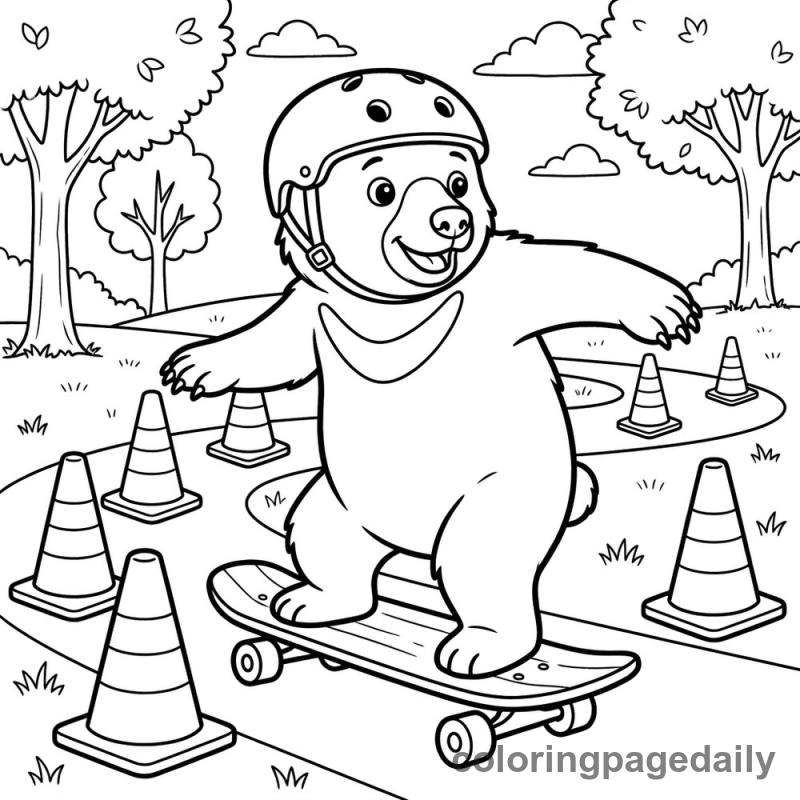
Warm colors are perfect for action-packed scenes! Our skateboarding sun bear is zipping through a slalom course of traffic cones. Sun bears are actually named for the distinct golden, yellow, or orange crescent-shaped patch on their chests. Kids can use bright, fiery colors for the bear's chest patch, the wooden skateboard, and the cones to emphasize the high-energy movement of the scene.
Earthy scenes also thrive on warm colors. Red pandas naturally sport beautiful reddish-brown fur that helps them camouflage in the canopy of fir trees in the wild. By using warm ochres, rusty reds, and golden-greens, children can make this garden scene feel like a sunny, inviting spring afternoon.
Before the crayons hit the paper, try a quick sorting game! Have your kids or students divide their coloring tools into a "warm pile" and a "cool pile." Challenge them to color an entire page using only one temperature, or ask them to intentionally mix the two to see which elements stand out the most. Happy coloring!
This article is part of Animals with Hobbies — browse all 28 coloring pages