Are your little artists ready to dive back into our "Animals with Hobbies" collection? While our previous guides covered how to color fluffy animal fur, today we are focusing on the wonderful props, environments, and activities our animal friends are enjoying! From knitting needles to classical harps, here are some fun and educational coloring tips for parents and teachers to share with their kids to make these pages truly spectacular.
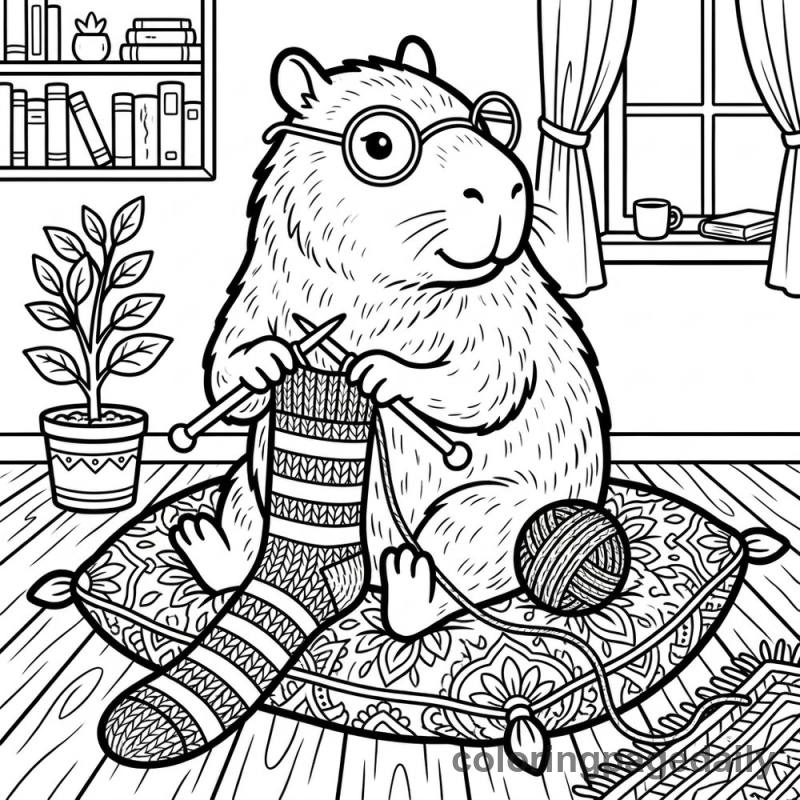
When coloring our knitting capybara, it’s the perfect time to talk about color theory! A striped sock is a great canvas for practicing complementary colors. Have your child choose opposite colors on the color wheel—like blue and orange, or purple and yellow—to make the stripes truly pop. To make the yarn look soft and cozy, encourage them to use gentle, circular motions with their colored pencils rather than pressing down hard in straight lines.
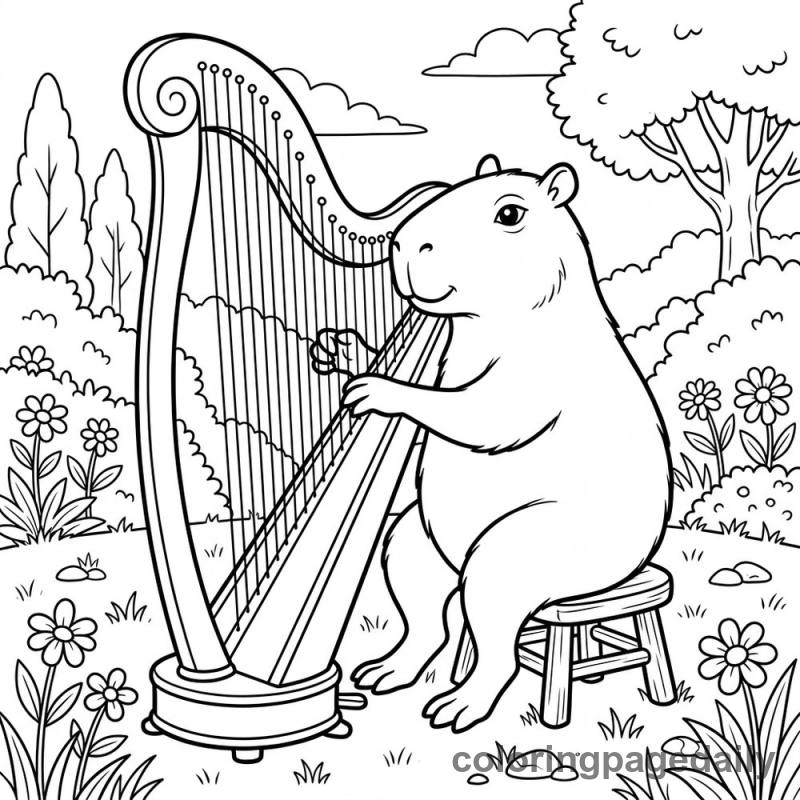
Coloring musical instruments is a fantastic way to practice rendering different material textures. For the beautiful classical harp, kids can practice making "wood grain." Instead of coloring the harp a solid block of brown, they can use light tan as a base and draw long, slightly wavy lines with a darker brown marker or pencil to mimic the look of carved wood. For the harp strings, a bright yellow or gold gel pen works wonders. Alternatively, they can carefully leave thin white lines uncolored to represent the tight strings catching the sunlight.
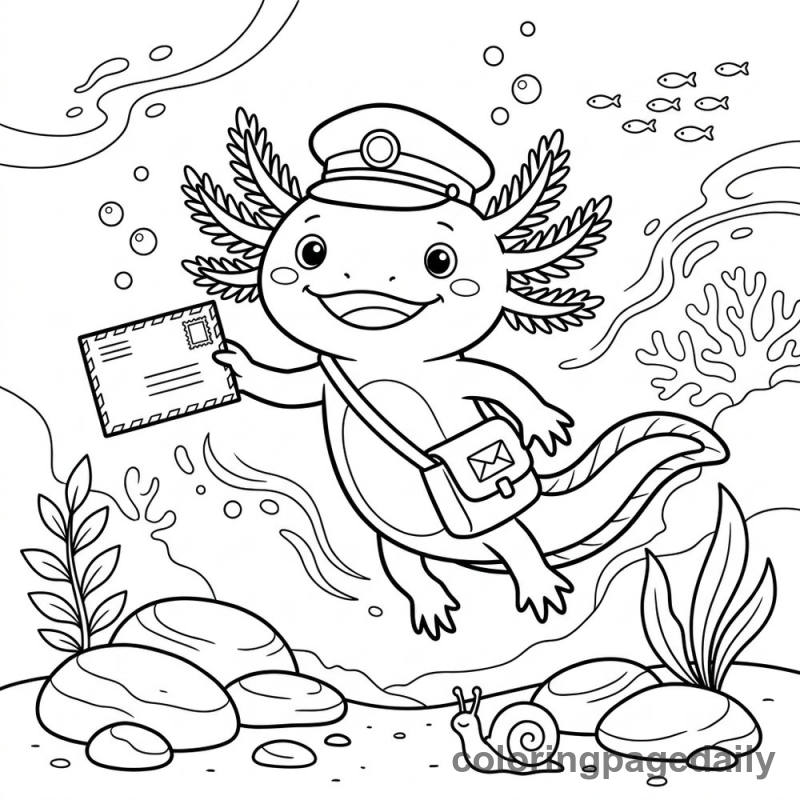
Our adorable axolotl postman is floating through a beautiful aquatic scene to deliver the mail. Remind your students that water isn't just one plain shade of blue! Encourage them to layer different cool tones: a base of light blue, mixed with patches of turquoise, teal, and even a hint of sea green.
Fun tip: Try the wax resist technique! Before coloring the background, kids can draw small circles with a white wax crayon. When they color over the area with blue watercolor or markers, the wax will resist the pigment, creating perfect little underwater bubbles!
Gardening requires getting a little muddy! When coloring the soil around the red panda's new sapling, challenge your little ones to use at least three different shades of brown. Layering dark browns, reddish-browns, and light tans creates rich, realistic-looking soil. Then, use the brightest, most vibrant green in the box for the tree sapling's leaves so that the new life stands out beautifully against the earthy background.
Whether your kids are using crayons, markers, or colored pencils, these simple techniques will help their favorite hobbyist animals leap right off the page. Happy coloring!
This article is part of Animals with Hobbies — browse all 28 coloring pages